How to do the Above Head Chest Stretch
Primary: Chest · also works Shoulders, Upper Back.
The Above Head Chest Stretch is an effective exercise designed to stretch and release tension in the chest muscles. By lifting the arms overhead and pulling them back slightly, this stretch helps to open up the chest and shoulder areas. It is particularly beneficial for those who spend a lot of time sitting or working on a computer, helping to correct posture and alleviate tightness in the upper body. This stretch is suitable for all fitness levels and can be easily performed at home, in the gym, or even at the office.
Step by step
- 1
Stand with your feet shoulder-width apart.
- 2
Raise your arms straight above your head.
- 3
Gently pull your arms back until you feel a stretch in your chest and shoulders.
- 4
Hold the position for 30 seconds, breathing deeply.
- 5
Slowly lower your arms back to the starting position.
Coaching cues
- Maintain a straight posture throughout the stretch.
- Avoid arching your lower back; engage your core for stability.
- Perform the stretch in a slow and controlled manner to avoid injury.
Sets, reps and where it fits
Muscle
3–4 × 30–60 sec
rest 60–90 s
Strength
not a strength lift
use for assistance
Fat loss
3 × 30–60 sec
rest 45–60 s
Above Head Chest Stretch alternatives
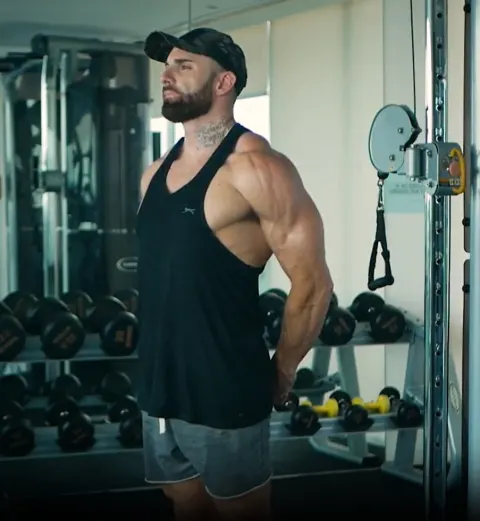
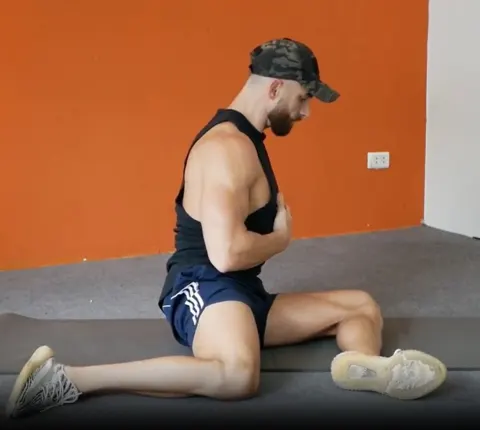
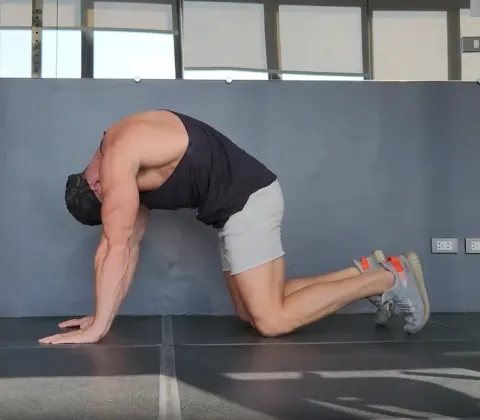
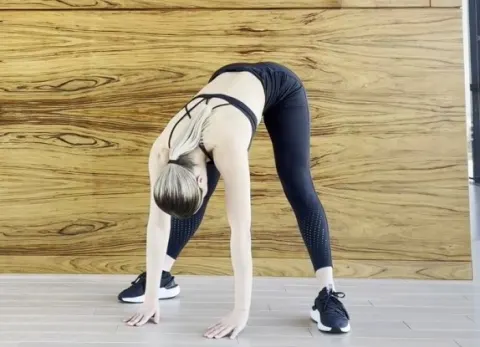
Same movement pattern, different equipment or difficulty. Swap one-for-one in any plan.
Frequently asked questions
What muscles does the Above Head Chest Stretch work?
Primary: Chest. Secondary: Chest, Shoulders, Upper Back
How many sets and reps of Above Head Chest Stretch should I do?
Hold or work for 30–60 seconds per set, 3–4 sets, resting 45–60 seconds between them. Add time before adding load.
What can I do instead of the Above Head Chest Stretch?
Same movement pattern, different equipment: Doorway Chest Stretch, Chest out hands behind (hold), 90/90 Hip Stretch, Cat-Cow, Deep Squat Hold, Standing Hamstring Stretch.
Is the Above Head Chest Stretch good for beginners?
Yes. It is a beginner-friendly movement; start light, master the steps above and add load gradually.