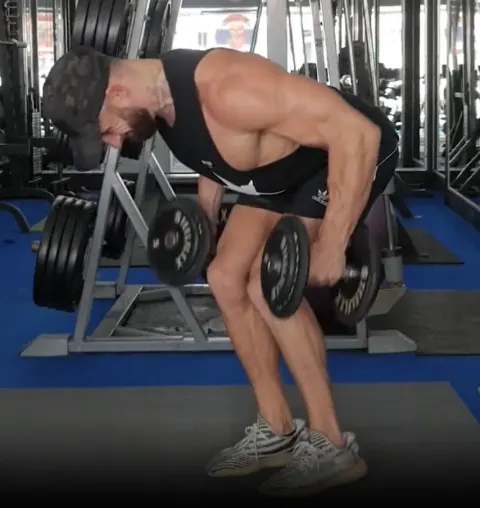
How to do the Bent Over Dumbbell Rows
Primary: Upper Back · also works Biceps, Lats, Lower Back, Shoulders.
The Bent Over Dumbbell Rows target the upper back, as well as secondary muscles such as the biceps and lats. This compound exercise is effective for building strength and muscle mass in the upper body. Proper form is crucial to maximize benefits and avoid injury.
Step by step
- 1
Hold a dumbbell in each hand with a neutral grip.
- 2
Hinge at your hips and slightly bend your knees so your upper body is almost parallel to the floor.
- 3
Keep your back straight and core engaged as you row the dumbbells up towards your rib cage.
- 4
Squeeze your shoulder blades together at the top of the movement.
- 5
Slowly lower the weights back to the starting position.
Coaching cues
- Keep your core tight throughout the exercise to protect your lower back.
- Avoid swinging the weights to ensure your back muscles are doing the work.
- Focus on the mind-muscle connection by contracting your upper back muscles with each rep.
Sets, reps and where it fits
Muscle
3–4 × 8–12
rest 60–90 s
Strength
4–5 × 4–6
rest 2–3 min
Fat loss
3 × 10–15
rest 45–60 s
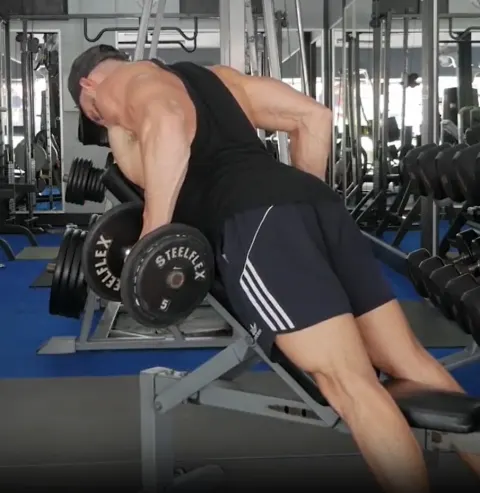
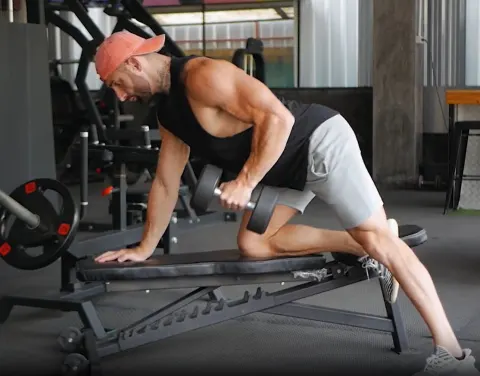
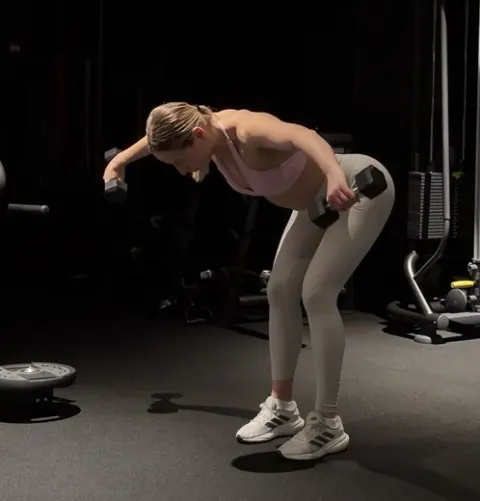
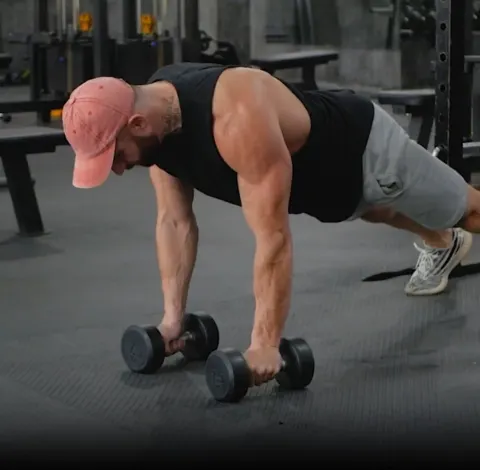
Bent Over Dumbbell Rows alternatives
Same movement pattern, different equipment or difficulty. Swap one-for-one in any plan.

Frequently asked questions
What muscles does the Bent Over Dumbbell Rows work?
Primary: Upper Back. Secondary: Upper Back, Biceps, Lats, Lower Back, Shoulders
How many sets and reps of Bent Over Dumbbell Rows should I do?
For muscle: 3–4 sets of 8–12 reps. For strength on compound lifts: 4–5 sets of 4–6. Rest 60–120 seconds between sets.
What can I do instead of the Bent Over Dumbbell Rows?
Same movement pattern, different equipment: Chest-Supported Row, Dumbbell Row, Rear Delt Fly, Renegade Row, Dumbbell Bent Over Rows, Dumbbell Pendlay Row.
Is the Bent Over Dumbbell Rows good for beginners?
With some training experience, yes. Beginners should start with one of the easier alternatives listed and progress to it.