How to do the Conventional Deadlift
Primary: Glutes, Hamstrings, Lower Back · also works Quads, Traps, Upper Back, Forearms, Core. Also called: barbell deadlift, deadlift.
Step by step
- 1
Stand with feet hip-width apart and the bar over the middle of your feet.
- 2
Hinge down and grip the bar just outside your shins with your arms straight.
- 3
Drop your hips, lift your chest, and pull the slack out of the bar until you feel tension.
- 4
Push the floor away and stand up, keeping the bar against your legs and your back flat.
- 5
Lock out by squeezing your glutes, then lower the bar under control by hinging at the hips.
Coaching cues
- Bar stays over mid-foot
- Chest up, hips down
- Push the floor away
Common mistakes
- Rounding the lower back
- Hips rising before the chest
- Jerking the bar off the floor
Sets, reps and where it fits
Muscle
3–4 × 3–8
rest 60–90 s
Strength
4–5 × 4–6
rest 2–3 min
Fat loss
3 × 10–15
rest 45–60 s
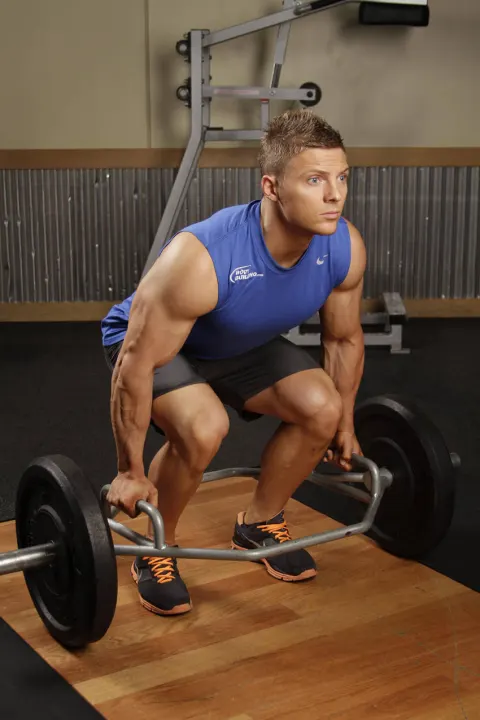
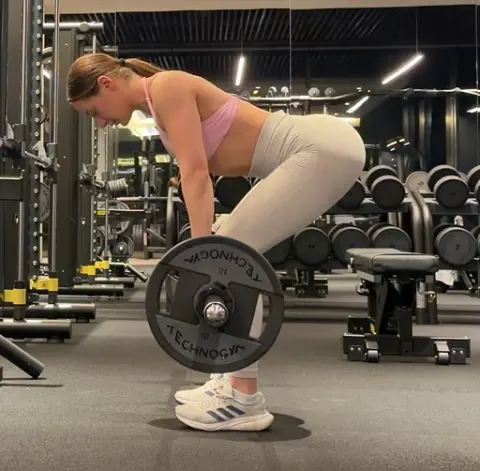
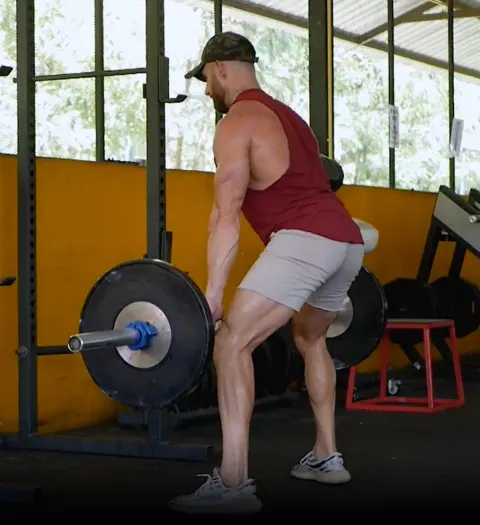
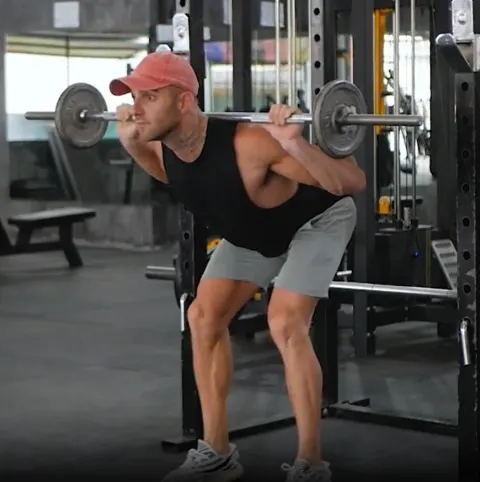
Conventional Deadlift alternatives
Same movement pattern, different equipment or difficulty. Swap one-for-one in any plan.
Frequently asked questions
What muscles does the Conventional Deadlift work?
Primary: Glutes, Hamstrings, Lower Back. Secondary: Glutes, Hamstrings, Lower Back, Quads, Traps, Upper Back, Forearms, Core
How many sets and reps of Conventional Deadlift should I do?
For muscle: 3–4 sets of 3–8 reps. For strength on compound lifts: 4–5 sets of 4–6. Rest 60–120 seconds between sets.
What can I do instead of the Conventional Deadlift?
Same movement pattern, different equipment: Trap Bar Deadlift, Kettlebell Deadlift, Barbell Romanian Deadlift, Sumo Deadlift, Barbell Good Morning, Hip Thrust Single Leg.
Is the Conventional Deadlift good for beginners?
With some training experience, yes. Beginners should start with one of the easier alternatives listed and progress to it.