How to do the Dumbbell Pull Over
Primary: Lats · also works Chest, Triceps, Shoulders, Upper Back, Core.
The DB Pull Over is a versatile exercise that targets the latissimus dorsi primarily but also engages several secondary muscles like the chest, triceps, shoulders, and the core. It’s performed by lying on a bench and moving a dumbbell from above your chest to behind your head, making it effective for improving upper body strength and enhancing muscle coordination. This exercise requires controlled movements and stabilization, providing an intermediate level challenge.
Step by step
- 1
Lie down on a bench, placing only your upper back on it and keeping feet firmly on the ground.
- 2
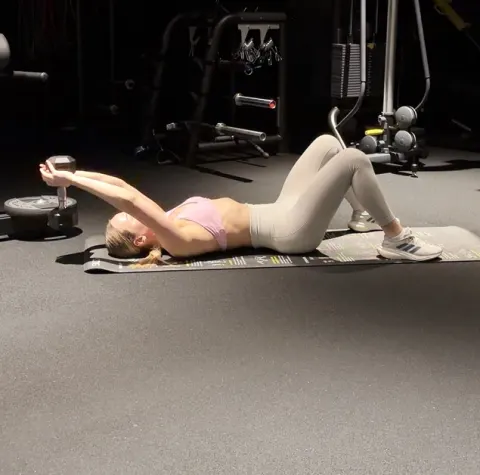
Hold a dumbbell with both hands, arms extended above your chest.
- 3
Lower the dumbbell slowly behind your head until your upper arms are in line with your torso.
- 4
Bring the dumbbell back to the starting position, ensuring to keep arms slightly bent throughout the movement.
Coaching cues
- Keep your core tight to avoid arching your back.
- Move slowly and control the weight during both lifting and lowering phases.
- Avoid going too far beyond your head if it causes discomfort in your shoulders.
Sets, reps and where it fits
Muscle
3–4 × 8–12
rest 60–90 s
Strength
4–5 × 4–6
rest 2–3 min
Fat loss
3 × 10–15
rest 45–60 s
Dumbbell Pull Over alternatives
Same movement pattern, different equipment or difficulty. Swap one-for-one in any plan.
Frequently asked questions
What muscles does the Dumbbell Pull Over work?
Primary: Lats. Secondary: Lats, Chest, Triceps, Shoulders, Upper Back, Core
How many sets and reps of Dumbbell Pull Over should I do?
For muscle: 3–4 sets of 8–12 reps. For strength on compound lifts: 4–5 sets of 4–6. Rest 60–120 seconds between sets.
What can I do instead of the Dumbbell Pull Over?
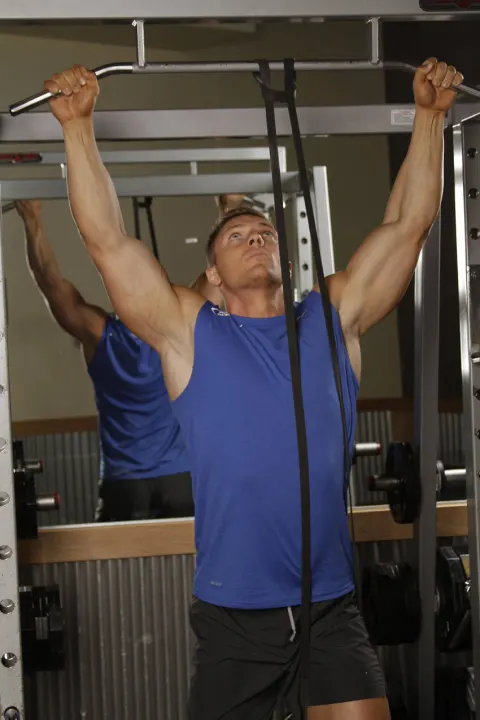
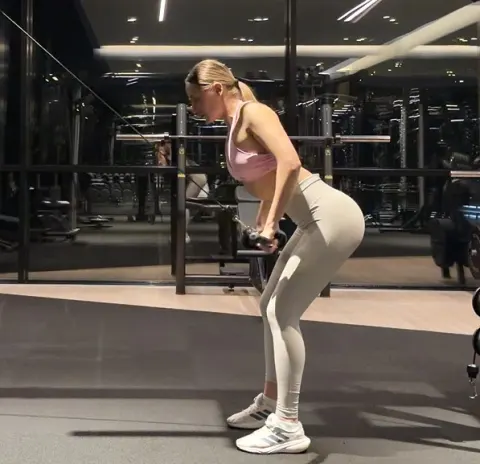
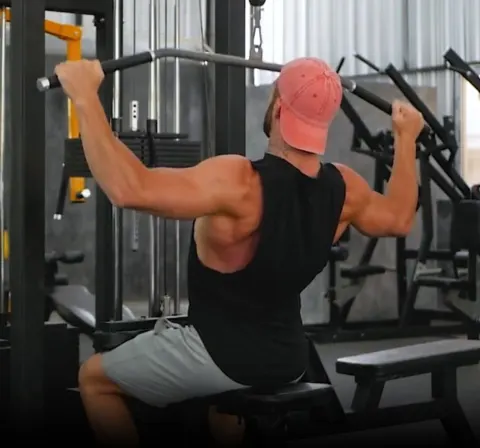
Same movement pattern, different equipment: Dumbbell Pullover, Assisted Pull-Up, Band Lat Pulldown, Band Straight-Arm Pulldown, Cable Pullover, Lat Pulldown.
Is the Dumbbell Pull Over good for beginners?
With some training experience, yes. Beginners should start with one of the easier alternatives listed and progress to it.