How to do the Jump Squat
Primary: Quads, Glutes · also works Calves, Hamstrings, Core. Also called: squat jump, plyometric squat.
Step by step
- 1
Stand with feet shoulder-width apart and arms relaxed at your sides.
- 2
Squat down to about a quarter or half depth, swinging your arms back.
- 3
Explode upward, jumping as high as you can while swinging your arms forward.
- 4
Land softly on the balls of your feet with bent knees to absorb the impact.
- 5
Reset your stance before the next rep.
Coaching cues
- Land quietly
- Knees over toes on landing
- Full hip extension at the top
Common mistakes
- Landing with straight legs
- Knees collapsing inward on landing
- Rushing reps with poor landings
Sets, reps and where it fits
Muscle
3–4 × 6–12
rest 60–90 s
Strength
4–5 × 4–6
rest 2–3 min
Fat loss
3 × 10–15
rest 45–60 s
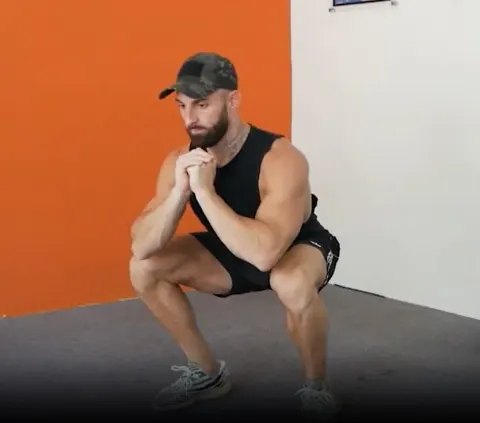
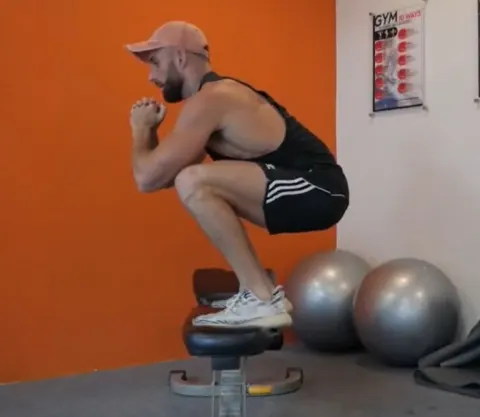
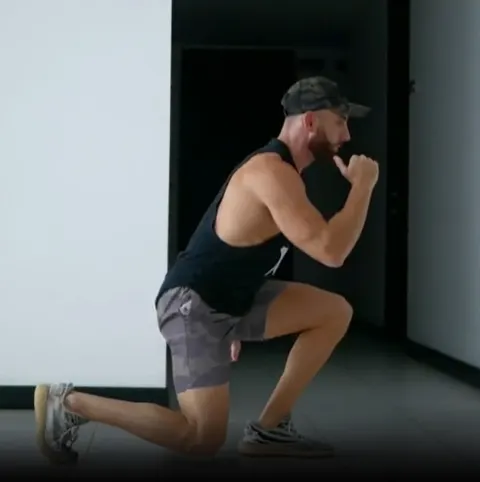
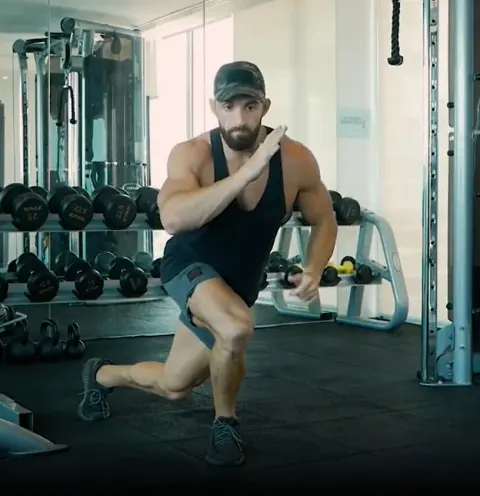
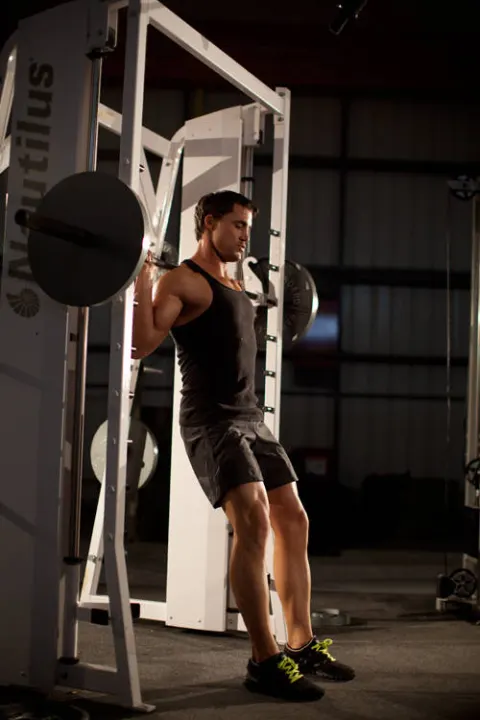
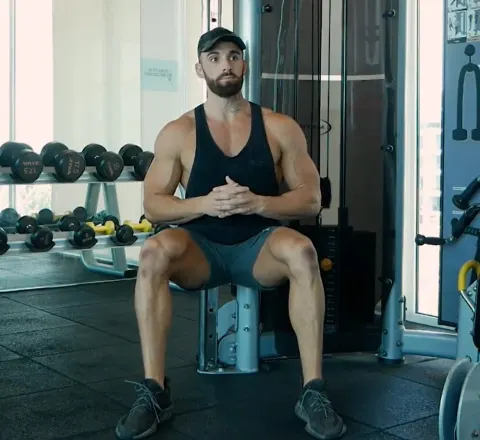
Jump Squat alternatives
Same movement pattern, different equipment or difficulty. Swap one-for-one in any plan.
Frequently asked questions
What muscles does the Jump Squat work?
Primary: Quads, Glutes. Secondary: Quads, Glutes, Calves, Hamstrings, Core
How many sets and reps of Jump Squat should I do?
For muscle: 3–4 sets of 6–12 reps. For strength on compound lifts: 4–5 sets of 4–6. Rest 60–120 seconds between sets.
What can I do instead of the Jump Squat?
Same movement pattern, different equipment: Bodyweight Squat, Box Jump, Jumping Lunge, Skater Jump, Chair Squat, Wall Sit.
Is the Jump Squat good for beginners?
With some training experience, yes. Beginners should start with one of the easier alternatives listed and progress to it.