How to do the Split Squat Jump
Primary: Quads · also works Glutes, Hamstrings, Calves.
The Split Squat Jump is a dynamic lower body exercise that combines strength and plyometrics. It primarily targets the quadriceps, while also engaging the glutes, hamstrings, and calves. This exercise helps improve lower body power, coordination, and balance, making it a valuable addition to athletic and functional training programs.
Step by step
- 1
Begin by standing in a lunge position with one foot forward and the other foot back.
- 2
Lower your body into a lunge, ensuring your front thigh is parallel to the ground and your back knee is just above the floor.
- 3
Explosively jump upwards, switching the position of your feet in mid-air, and land softly into a lunge with the opposite leg forward.
Coaching cues
- Keep your core engaged throughout the movement to maintain balance.
- Focus on landing softly to reduce impact on your joints.
- Use your arms for momentum to aid in the jump and switch of feet.
Sets, reps and where it fits
Muscle
3–4 × 8–15
rest 60–90 s
Strength
4–5 × 4–6
rest 2–3 min
Fat loss
3 × 10–15
rest 45–60 s
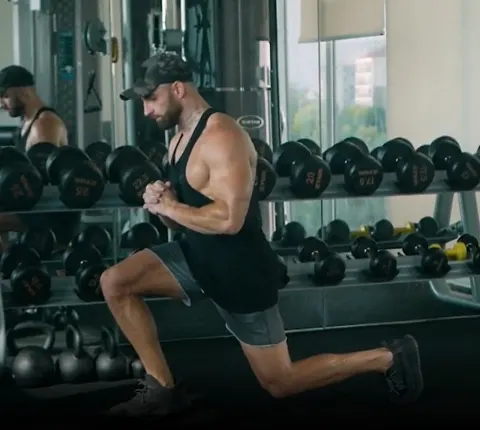
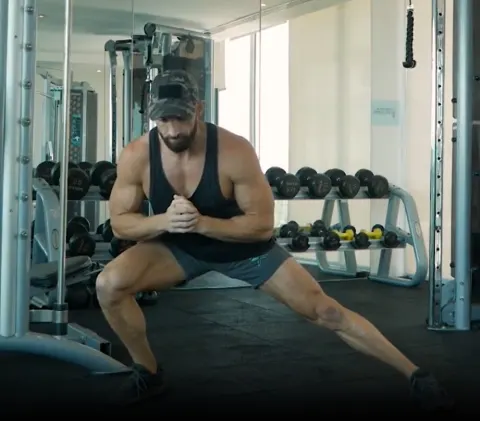
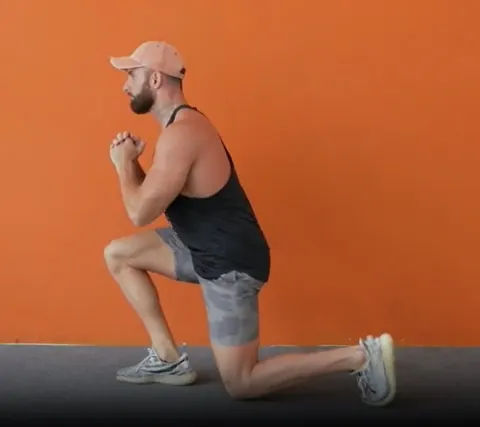
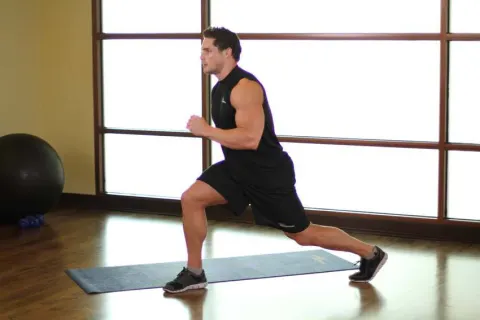
Split Squat Jump alternatives
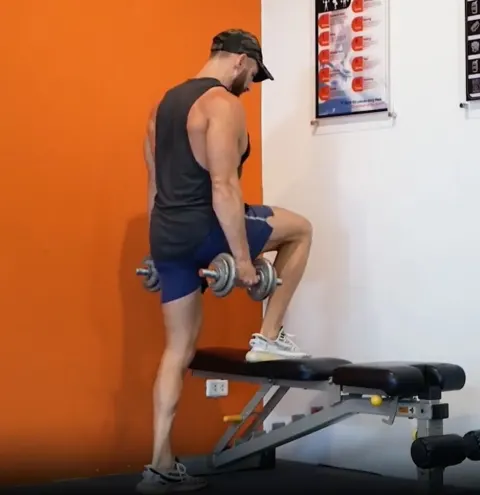
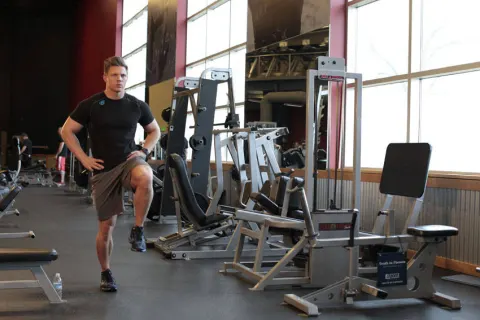
Same movement pattern, different equipment or difficulty. Swap one-for-one in any plan.
Frequently asked questions
What muscles does the Split Squat Jump work?
Primary: Quads. Secondary: Quads, Glutes, Hamstrings, Calves
How many sets and reps of Split Squat Jump should I do?
For muscle: 3–4 sets of 8–15 reps. For strength on compound lifts: 4–5 sets of 4–6. Rest 60–120 seconds between sets.
What can I do instead of the Split Squat Jump?
Same movement pattern, different equipment: Forward Lunge, Lateral Lunge, Reverse Lunge, Split Squat, Step-Up, Walking Lunge.
Is the Split Squat Jump good for beginners?
With some training experience, yes. Beginners should start with one of the easier alternatives listed and progress to it.