How to do the Alternate Oblique Crunch
Primary: Obliques.
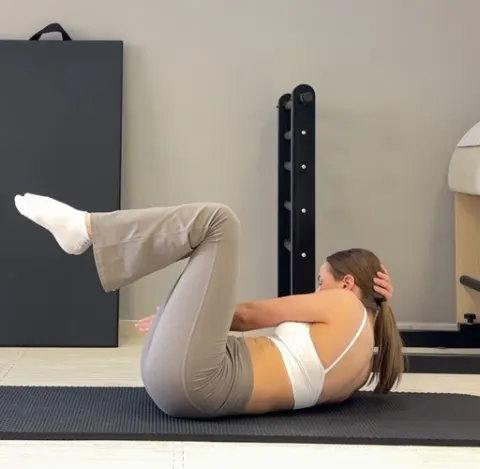
The alternate oblique crunch is an effective abdominal exercise targeting the obliques and core muscles. This exercise is performed by lying on your back with your knees bent and feet flat on the floor. You alternate lifting and twisting your torso towards each knee, which engages your obliques and helps develop a strong and toned midsection. This exercise is particularly beneficial for enhancing core stability, improving posture, and reducing the risk of lower back pain.
Step by step
- 1
Lie on your back with your knees bent and feet flat on the floor.
- 2
Place your hands lightly behind your head, elbows flared out.
- 3
Rise up, bringing your left shoulder towards your right knee while extending your left leg. Return to the starting position and repeat on the other side.
Coaching cues
- Focus on using your obliques to lift your torso, rather than pulling on your neck.
- Perform the movements in a slow and controlled manner to maximize muscle engagement.
- Exhale as you crunch and twist, and inhale when you return to the starting position.
Sets, reps and where it fits
Muscle
3–4 × 12–20
rest 60–90 s
Strength
not a strength lift
use for assistance
Fat loss
3 × 12–20
rest 45–60 s
Alternate Oblique Crunch alternatives
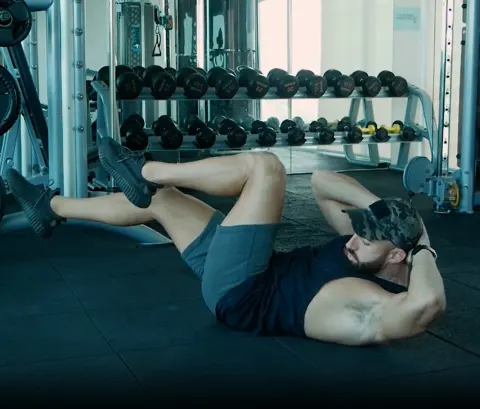
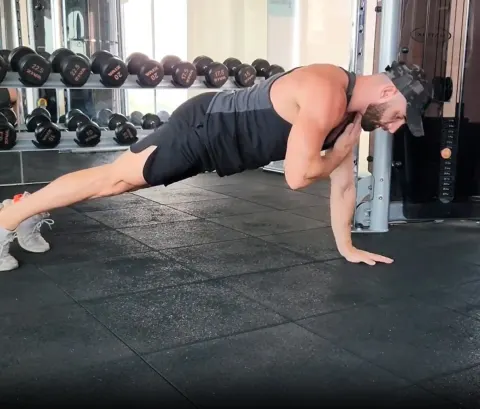
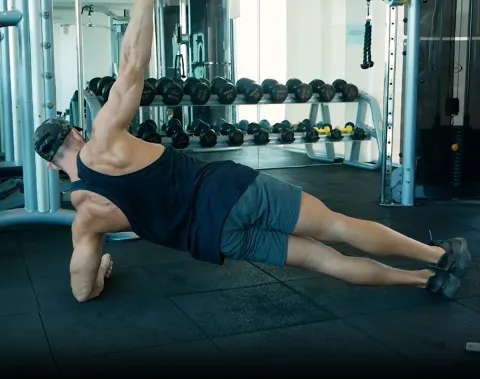
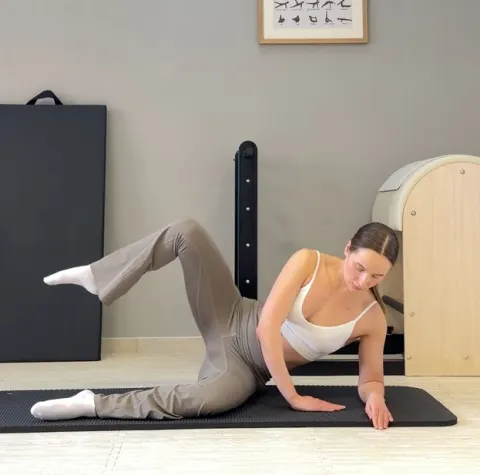
Same movement pattern, different equipment or difficulty. Swap one-for-one in any plan.

Frequently asked questions
What muscles does the Alternate Oblique Crunch work?
Primary: Obliques.
How many sets and reps of Alternate Oblique Crunch should I do?
For muscle: 3–4 sets of 12–20 reps. For strength on compound lifts: 4–5 sets of 4–6. Rest 60–120 seconds between sets.
What can I do instead of the Alternate Oblique Crunch?
Same movement pattern, different equipment: Bicycle Crunch, Plank Shoulder Tap, Russian Twist, Side Plank, Bent-Knee Drive to Shoulder (From Back Position), Diagonal Crunch to Straight Leg Raise.
Is the Alternate Oblique Crunch good for beginners?
Yes. It is a beginner-friendly movement; start light, master the steps above and add load gradually.