How to do the Cable Crossover Lateral Raise
Primary: Side Delts · also works Traps, Upper Back.
The Cable Crossover Lateral Raise is an excellent isolation exercise targeting the shoulder muscles. Utilizing the cable machine, this exercise provides continuous resistance throughout the entire range of motion, allowing for a more effective workout and muscle contraction. It's particularly useful for developing the lateral deltoid, contributing to broader and more defined shoulders.
Step by step
- 1
Stand in the center of a cable crossover machine, feet shoulder-width apart, grasping a handle in each hand.
- 2
Position the pulleys at the lowest setting and step forward until there's tension on the cables.
- 3
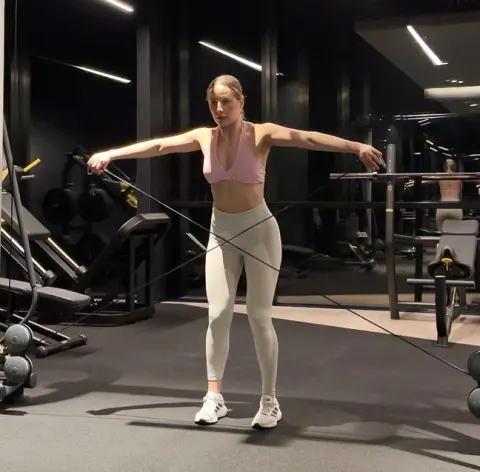
Raise your arms sideways to shoulder height, maintaining a slight bend in your elbows.
- 4
Pause briefly at the top of the movement before slowly lowering your arms back to the starting position.
Coaching cues
- Maintain a slight bend in the elbows to reduce stress on the joints.
- Keep your back straight and core engaged throughout the exercise.
- Avoid using momentum; focus on controlled and smooth movements.
Sets, reps and where it fits
Muscle
3–4 × 10–15
rest 60–90 s
Strength
not a strength lift
use for assistance
Fat loss
3 × 10–15
rest 45–60 s
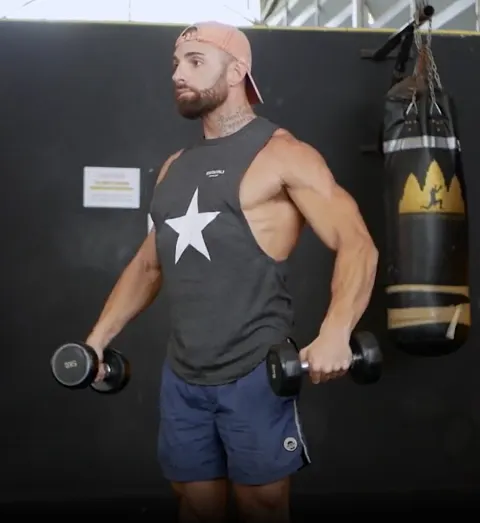
Cable Crossover Lateral Raise alternatives
Same movement pattern, different equipment or difficulty. Swap one-for-one in any plan.

Frequently asked questions
What muscles does the Cable Crossover Lateral Raise work?
Primary: Side Delts. Secondary: Side Delts, Traps, Upper Back
How many sets and reps of Cable Crossover Lateral Raise should I do?
For muscle: 3–4 sets of 10–15 reps. For strength on compound lifts: 4–5 sets of 4–6. Rest 60–120 seconds between sets.
What can I do instead of the Cable Crossover Lateral Raise?
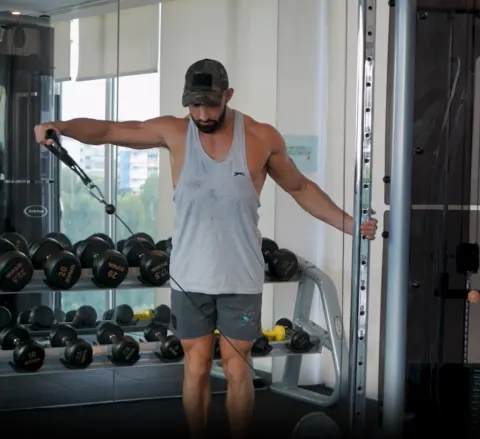
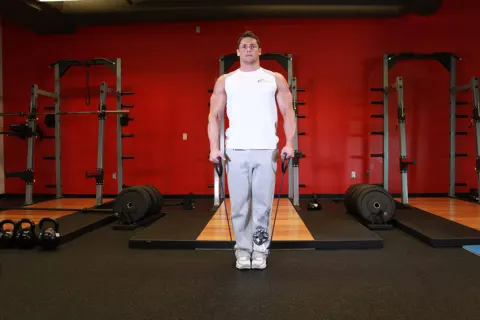
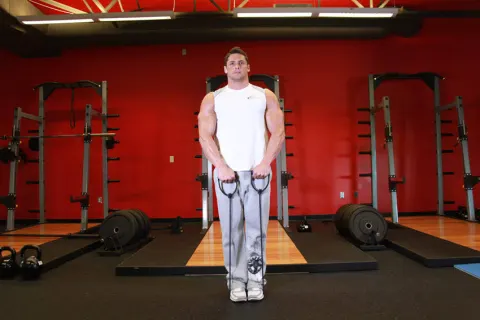
Same movement pattern, different equipment: Cable Lateral Raise, Cable Single Arm Lateral Raise, Arm Circles, Band Lateral Raise, Band Upright Row, Dumbbell Lateral Raise.
Is the Cable Crossover Lateral Raise good for beginners?
With some training experience, yes. Beginners should start with one of the easier alternatives listed and progress to it.