How to do the Copenhagen Plank
Primary: Adductors · also works Core, Obliques.
The Copenhagen Plank is a challenging exercise primarily targeting the adductor muscles in the inner thigh. It also engages the core, obliques, and hip flexors, making it a comprehensive workout for stabilizing and strengthening key muscle groups. This exercise is performed with one leg elevated on a bench while the other leg remains suspended, requiring significant balance and coordination.
Step by step
- 1
Start by lying on your side with one forearm on the ground directly under your shoulder.
- 2
Place your top leg on a bench or elevated surface while keeping your lower leg suspended.
- 3
Lift your hips off the ground, ensuring a straight line from your head to your feet, and hold the position for the desired duration.
Coaching cues
- Keep your core tight and engaged throughout the exercise to maintain stability.
- Ensure your supporting shoulder stays directly over your elbow to avoid unnecessary strain.
- Focus on maintaining a straight body line without letting your hips drop for maximum effectiveness.
Sets, reps and where it fits
Muscle
3–4 × 30–60 sec
rest 60–90 s
Strength
not a strength lift
use for assistance
Fat loss
3 × 30–60 sec
rest 45–60 s
Copenhagen Plank alternatives
Same movement pattern, different equipment or difficulty. Swap one-for-one in any plan.
Frequently asked questions
What muscles does the Copenhagen Plank work?
Primary: Adductors. Secondary: Adductors, Core, Obliques
How many sets and reps of Copenhagen Plank should I do?
Hold or work for 30–60 seconds per set, 3–4 sets, resting 45–60 seconds between them. Add time before adding load.
What can I do instead of the Copenhagen Plank?
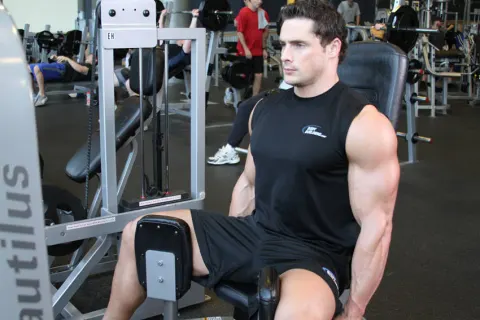
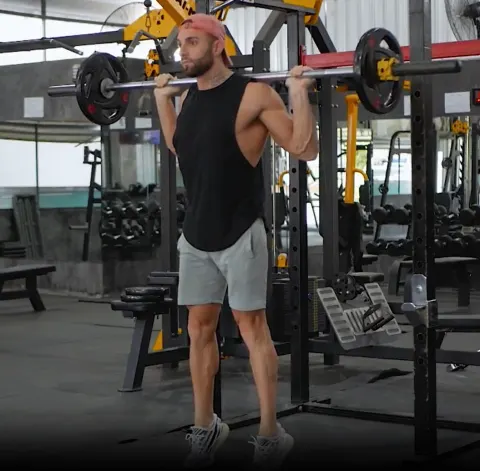
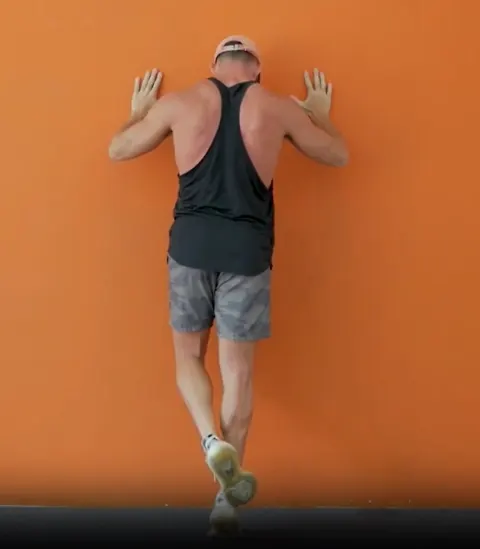
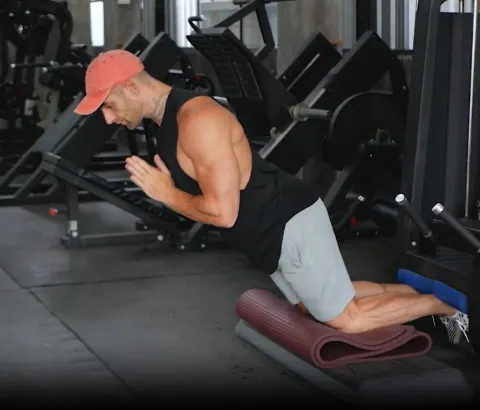
Same movement pattern, different equipment: Hip Adduction Machine, Sliding Leg Curl, Standing Calf Raise, Single-Leg Calf Raise, Nordic Hamstring Curl, Squat with Hip Hinge and Spine Extension.
Is the Copenhagen Plank good for beginners?
It is an advanced movement. Build up through the easier alternatives first.