How to do the Hyperextensions
Primary: Lower Back · also works Glutes, Hamstrings.
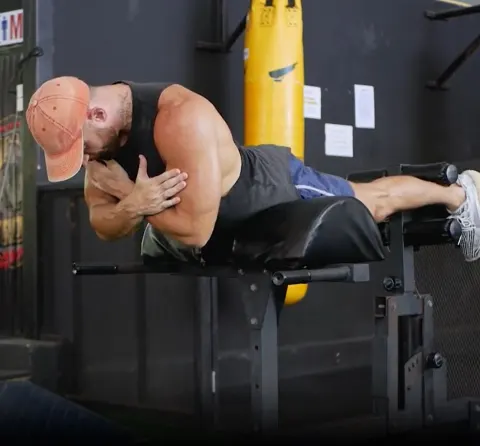
Hyperextensions are an effective lower back exercise that primarily targets the muscles in the lower back while also engaging the glutes and hamstrings. It is performed using a Roman chair or a hyperextension bench, making it a versatile addition to any strength training routine. This exercise is suitable for all fitness levels and can be adjusted in intensity by adding weights.
Step by step
- 1
- Position yourself in the hyperextension bench, securing your feet under the footpads and your thighs on the support pad.
- 2
- Start with your body in a straight line, with your back extended parallel to the floor.
- 3
- Slowly lower your upper body towards the floor by bending at the waist, keeping your back straight.
- 4
- Return to the starting position by extending your back, ensuring you do not go beyond a straight line to avoid hyperextending.
Coaching cues
- - Keep your movements slow and controlled to maximize muscle engagement.
- - Avoid arching your back excessively; aim to keep it straight throughout the exercise.
- - Keep your neck in a neutral position to avoid strain.
Sets, reps and where it fits
Muscle
3–4 × 10–15
rest 60–90 s
Strength
not a strength lift
use for assistance
Fat loss
3 × 10–15
rest 45–60 s
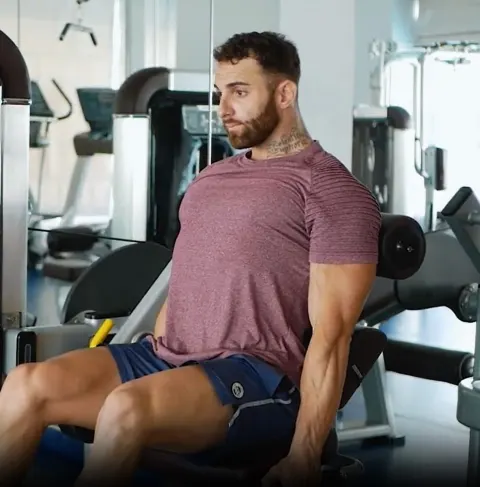
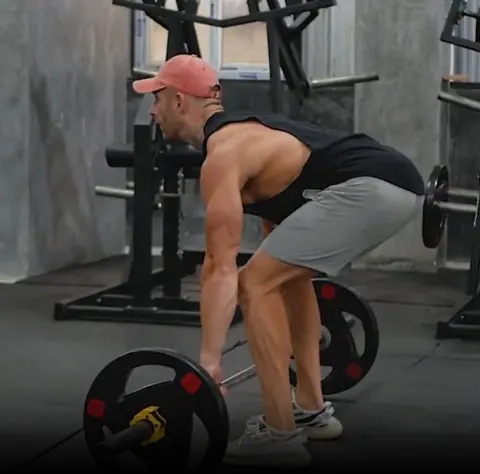
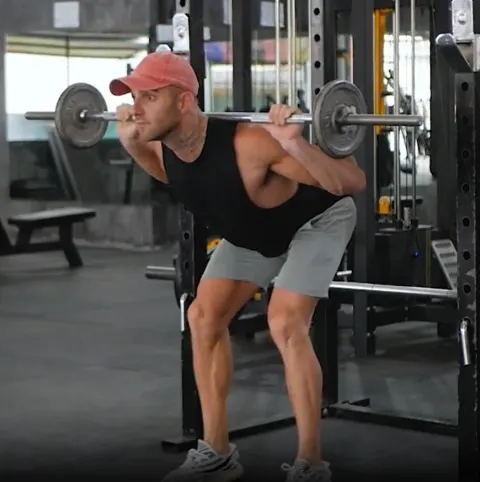
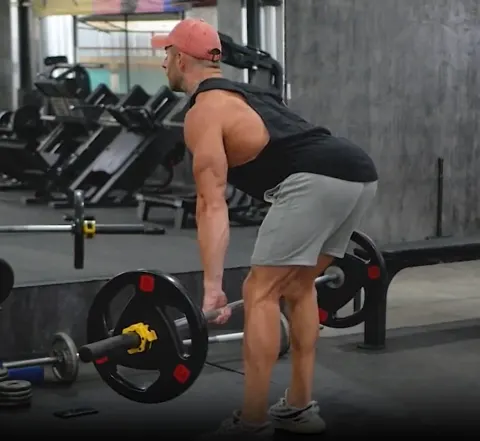
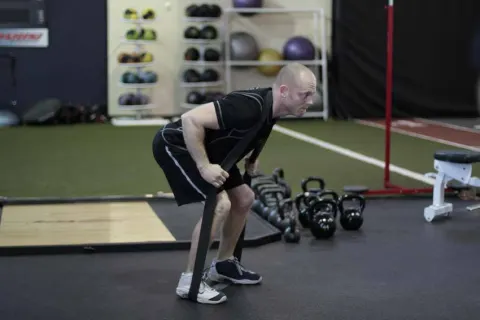
Hyperextensions alternatives
Same movement pattern, different equipment or difficulty. Swap one-for-one in any plan.
Frequently asked questions
What muscles does the Hyperextensions work?
Primary: Lower Back. Secondary: Lower Back, Glutes, Hamstrings
How many sets and reps of Hyperextensions should I do?
For muscle: 3–4 sets of 10–15 reps. For strength on compound lifts: 4–5 sets of 4–6. Rest 60–120 seconds between sets.
What can I do instead of the Hyperextensions?
Same movement pattern, different equipment: Back Machine Extension, Conventional Deadlift, Barbell Good Morning, Romanian Dead Lift, Glute Ham Raise, Banded Good Morning.
Is the Hyperextensions good for beginners?
Yes. It is a beginner-friendly movement; start light, master the steps above and add load gradually.