How to do the Squat Pulses (Bodyweight)
Primary: Glutes.
Squat pulses target the glutes, quads, and hamstrings by combining the principles of an isometric hold and minor up-and-down pulsating movements. This exercise increases time under tension, making it particularly effective for muscle endurance and hypertrophy in the lower body. Squat pulses are performed without any equipment and can be done anywhere, making them a versatile addition to any workout routine.
Step by step
- 1
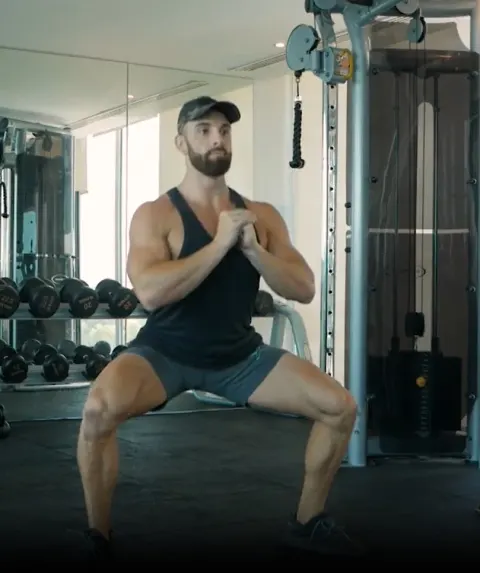
Stand with your feet shoulder-width apart and your toes pointing slightly outward.
- 2
Lower into a squat position until your thighs are parallel to the ground.
- 3
From this position, perform small pulsating up-and-down movements, keeping your core tight and maintaining the squat posture throughout the set.
Coaching cues
- Keep your knees aligned with your toes to avoid strain on the joints.
- Engage your core to maintain balance and protect your lower back.
- Ensure your chest stays up and your back straight throughout the exercise.
Sets, reps and where it fits
Muscle
3–4 × 15–20
rest 60–90 s
Strength
4–5 × 4–6
rest 2–3 min
Fat loss
3 × 15–20
rest 45–60 s
Squat Pulses (Bodyweight) alternatives
Same movement pattern, different equipment or difficulty. Swap one-for-one in any plan.
Frequently asked questions
What muscles does the Squat Pulses (Bodyweight) work?
Primary: Glutes.
How many sets and reps of Squat Pulses (Bodyweight) should I do?
For muscle: 3–4 sets of 15–20 reps. For strength on compound lifts: 4–5 sets of 4–6. Rest 60–120 seconds between sets.
What can I do instead of the Squat Pulses (Bodyweight)?
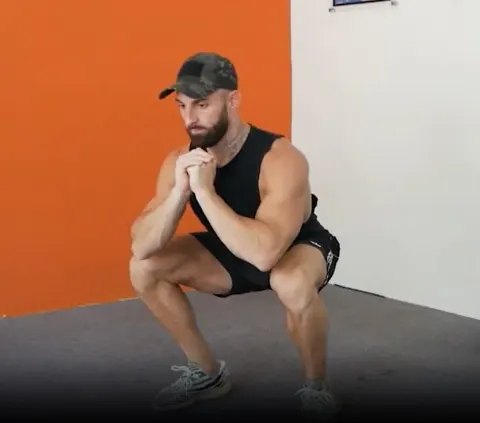
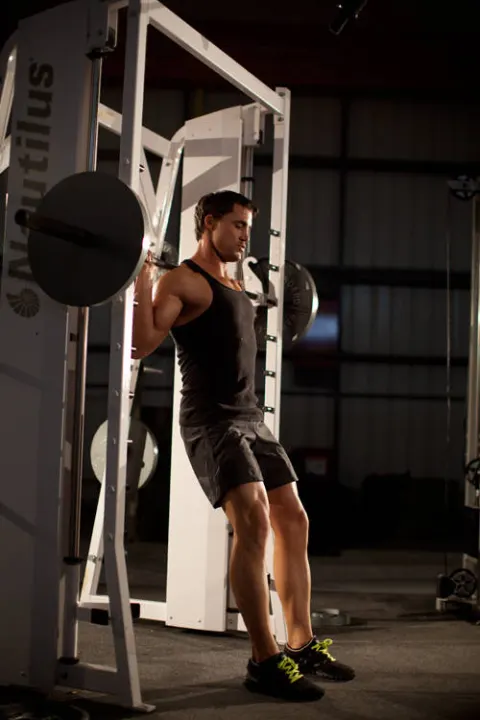
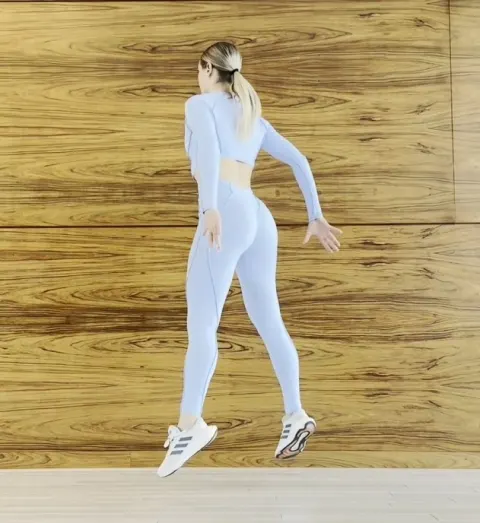
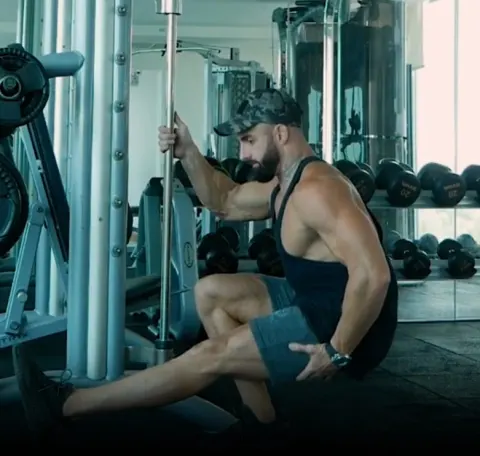
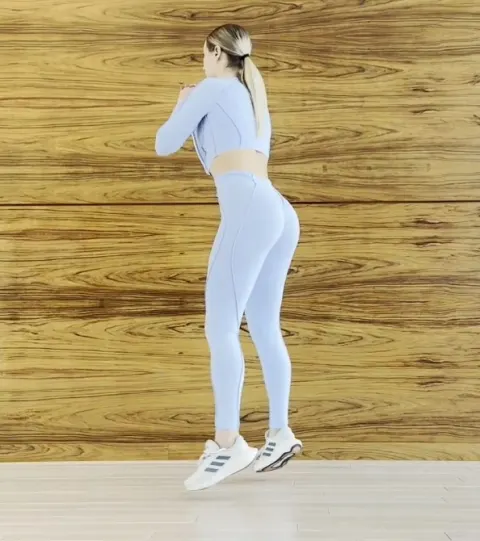
Same movement pattern, different equipment: Bodyweight Squat, Chair Squat, Jump Squat, Pistol Squat, Pile Squats, Plyometric Squat Jump.
Is the Squat Pulses (Bodyweight) good for beginners?
Yes. It is a beginner-friendly movement; start light, master the steps above and add load gradually.