How to do the Alternate Leg Raise
Primary: Core · also works Hip Flexors.
The alternate leg raise is a core exercise that primarily targets the abdominals and hip flexors. It involves raising one leg at a time while lying on your back, focusing on maintaining control and engaging the core throughout the movement. This exercise helps in enhancing core stability, strengthening the lower abs, and improving hip flexor strength. It's a great addition to any core workout routine and can be performed without any equipment.
Step by step
- 1
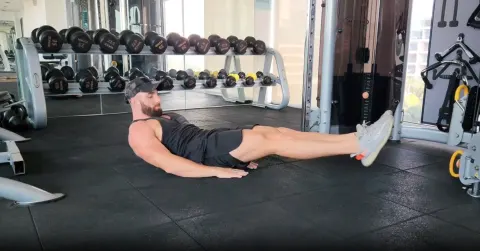
Lie flat on your back with your legs extended and arms at your sides.
- 2
Tighten your abdominal muscles and slowly raise one leg off the ground, keeping it straight.
- 3
Lower your leg back to the starting position and repeat with the other leg.
- 4
Ensure you keep your lower back pressed into the floor and avoid any arching.
- 5
Perform the desired number of repetitions for each leg, alternating sides with each rep.
Coaching cues
- Move in a controlled manner to maximize muscle engagement and avoid injury.
- Breathe out while raising your leg and breathe in while lowering it.
- Keep your neck and shoulders relaxed throughout the exercise to avoid unnecessary strain.
Sets, reps and where it fits
Muscle
3–4 × 10–20
rest 60–90 s
Strength
not a strength lift
use for assistance
Fat loss
3 × 10–20
rest 45–60 s
Alternate Leg Raise alternatives
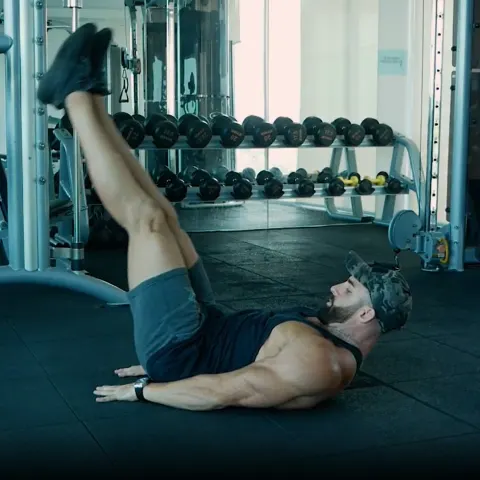
Same movement pattern, different equipment or difficulty. Swap one-for-one in any plan.
Frequently asked questions
What muscles does the Alternate Leg Raise work?
Primary: Core. Secondary: Core, Hip Flexors
How many sets and reps of Alternate Leg Raise should I do?
For muscle: 3–4 sets of 10–20 reps. For strength on compound lifts: 4–5 sets of 4–6. Rest 60–120 seconds between sets.
What can I do instead of the Alternate Leg Raise?
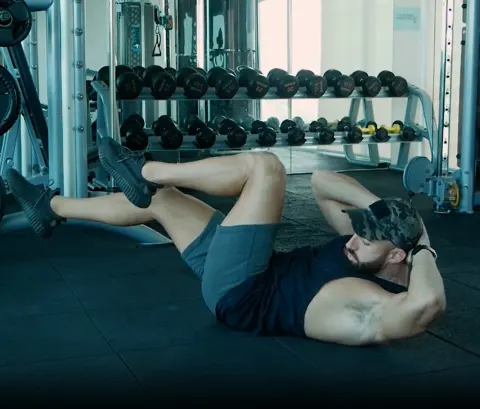
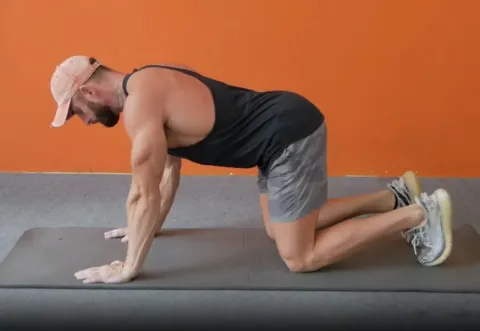
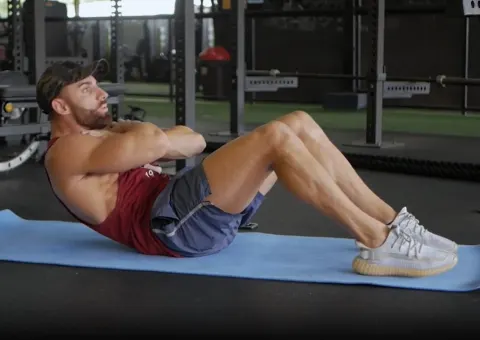
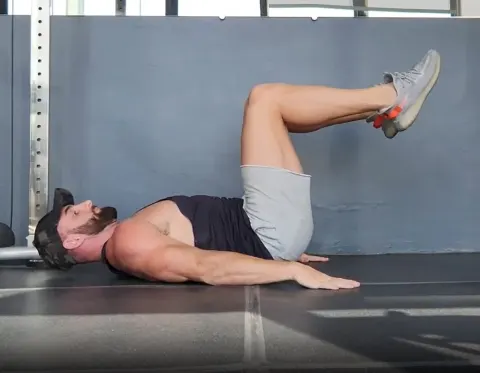
Same movement pattern, different equipment: Bicycle Crunch, Bird Dog, Crunch, Dead Bug, Flutter Kick, Lying Leg Raise.
Is the Alternate Leg Raise good for beginners?
Yes. It is a beginner-friendly movement; start light, master the steps above and add load gradually.