How to do the Bodyweight Good Morning
Primary: Hamstrings, Glutes · also works Lower Back, Core. Also called: hands behind head good morning.
Step by step
- 1
Stand with feet hip-width apart, knees slightly bent, and place your hands behind your head with the elbows wide.
- 2
Brace your abs and push your hips straight back as if closing a door with your backside.
- 3
Let the torso tip forward with a flat back until you feel a strong stretch in the hamstrings, usually just above parallel.
- 4
Pause for a second, then drive the hips forward to return to standing.
- 5
Squeeze your glutes at the top without leaning back.
Coaching cues
- The movement is in the hips, not the knees
- Keep the chest open and the elbows wide
- Slow on the way down, powerful on the way up
Common mistakes
- Rounding the back at the bottom
- Turning it into a squat by bending the knees
- Going lower than the hamstrings allow
Sets, reps and where it fits
Muscle
3–4 × 10–15
rest 60–90 s
Strength
4–5 × 4–6
rest 2–3 min
Fat loss
3 × 10–15
rest 45–60 s
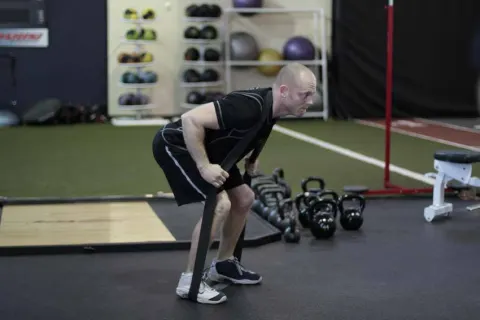
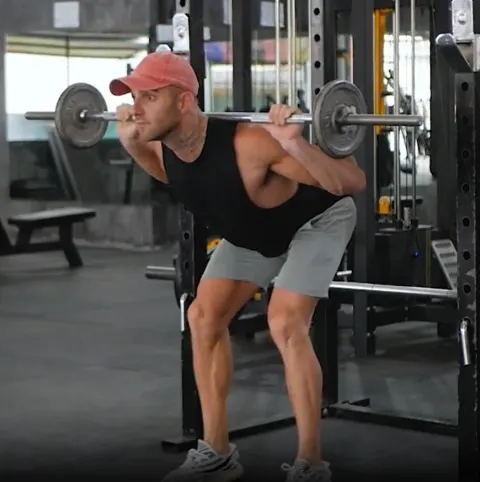
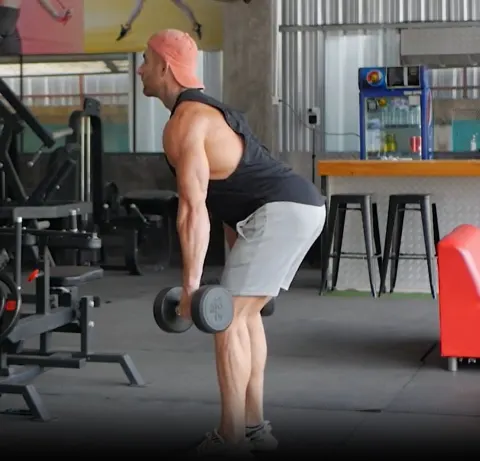
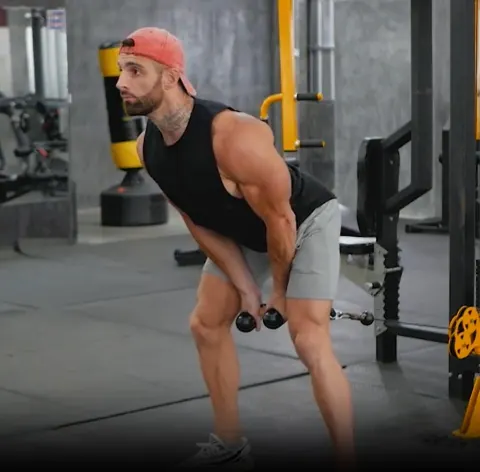
Bodyweight Good Morning alternatives
Same movement pattern, different equipment or difficulty. Swap one-for-one in any plan.
Frequently asked questions
What muscles does the Bodyweight Good Morning work?
Primary: Hamstrings, Glutes. Secondary: Hamstrings, Glutes, Lower Back, Core
How many sets and reps of Bodyweight Good Morning should I do?
For muscle: 3–4 sets of 10–15 reps. For strength on compound lifts: 4–5 sets of 4–6. Rest 60–120 seconds between sets.
What can I do instead of the Bodyweight Good Morning?
Same movement pattern, different equipment: Bodyweight Hip Hinge, Banded Good Morning, Barbell Good Morning, Dumbbell Romanian Deadlift, Single-Leg Hip Hinge, Cable Pull-Through.
Is the Bodyweight Good Morning good for beginners?
Yes. It is a beginner-friendly movement; start light, master the steps above and add load gradually.