How to do the Standing Knee Raises
Primary: Hip Flexors.
Standing knee raises are a simple and effective exercise that primarily targets the hip flexors. This movement is a great way to engage your abdominal muscles and improve core stability while also contributing to better balance and flexibility. It can be a beneficial addition to any workout routine, suitable for participants of all fitness levels.
Step by step
- 1
Stand up straight with your feet hip-width apart.
- 2
Lift your right knee up towards your chest as high as you comfortably can.
- 3
Lower your right leg back to the starting position and then lift your left knee.
- 4
Continue alternating legs in a smooth, controlled motion.
Coaching cues
- Keep your core engaged throughout the exercise to maintain balance.
- Avoid leaning backward or forward as you lift your knees.
- Breathe steadily, exhaling as you lift and inhaling as you lower your leg.
Sets, reps and where it fits
Muscle
3–4 × 10–20
rest 60–90 s
Strength
not a strength lift
use for assistance
Fat loss
3 × 10–20
rest 45–60 s
Standing Knee Raises alternatives
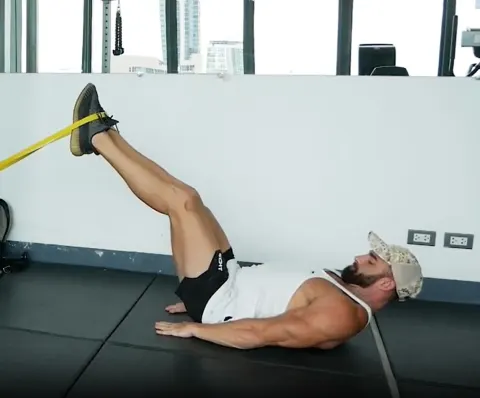
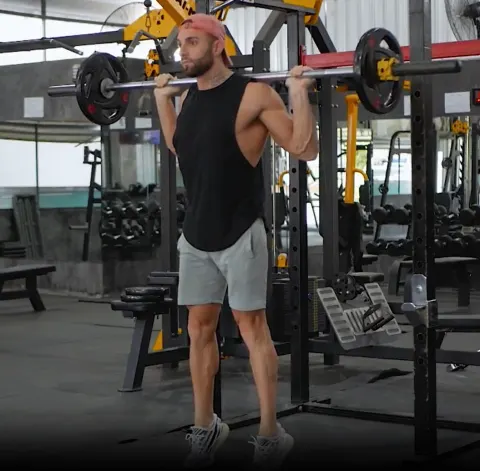
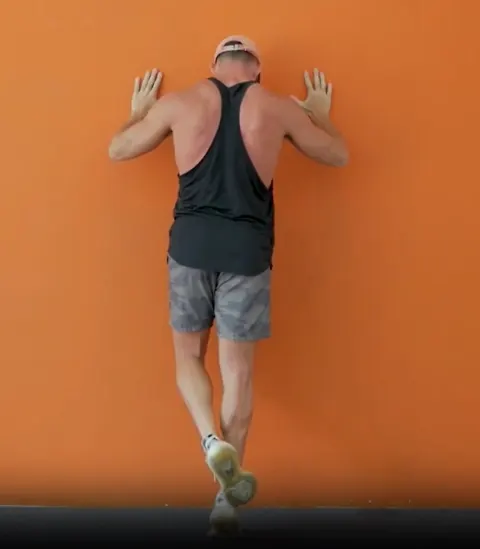
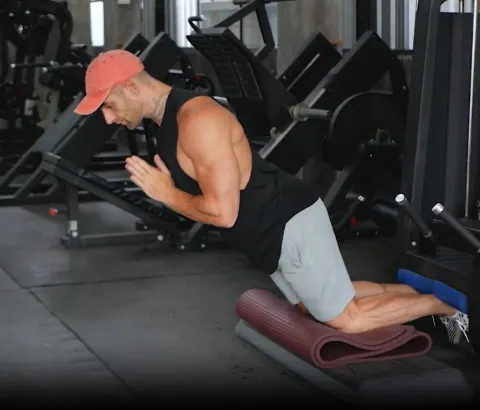
Same movement pattern, different equipment or difficulty. Swap one-for-one in any plan.
Frequently asked questions
What muscles does the Standing Knee Raises work?
Primary: Hip Flexors.
How many sets and reps of Standing Knee Raises should I do?
For muscle: 3–4 sets of 10–20 reps. For strength on compound lifts: 4–5 sets of 4–6. Rest 60–120 seconds between sets.
What can I do instead of the Standing Knee Raises?
Same movement pattern, different equipment: Resistance Band Leg Raises, Sliding Leg Curl, Standing Calf Raise, Single-Leg Calf Raise, Nordic Hamstring Curl, Squat with Hip Hinge and Spine Extension.
Is the Standing Knee Raises good for beginners?
Yes. It is a beginner-friendly movement; start light, master the steps above and add load gradually.