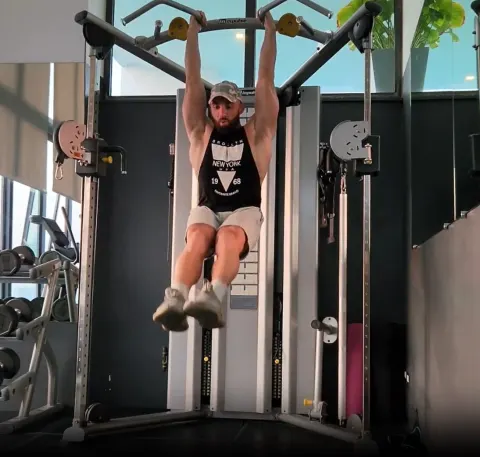
How to do the Hanging Knee Raise
Primary: Core, Hip Flexors · also works Forearms, Lats, Obliques. Also called: hanging knee tuck.
Step by step
- 1
Hang from a pull-up bar with an overhand grip and arms straight.
- 2
Brace your core and keep your legs together.
- 3
Raise your knees toward your chest by curling your pelvis up.
- 4
Pause at the top, then lower your legs slowly.
- 5
Avoid swinging between reps.
Coaching cues
- Curl the pelvis up at the top
- No swinging
- Exhale as the knees rise
Common mistakes
- Swinging with momentum
- Only moving the legs without tilting the pelvis
- Losing grip before the abs fatigue
Sets, reps and where it fits
Muscle
3–4 × 8–15
rest 60–90 s
Strength
not a strength lift
use for assistance
Fat loss
3 × 10–15
rest 45–60 s
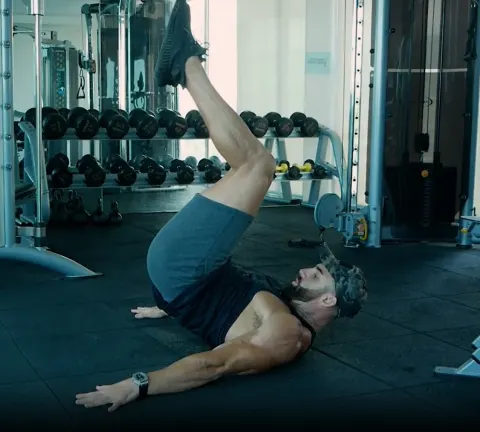
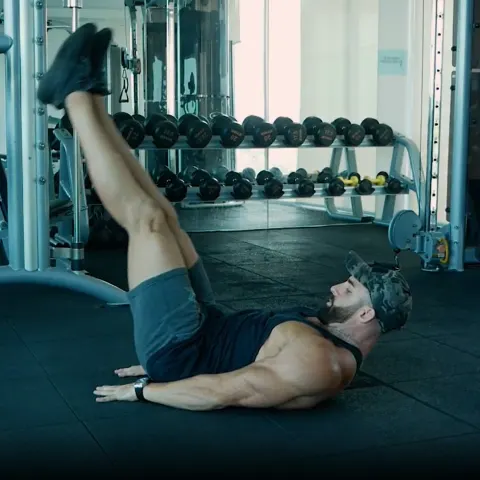
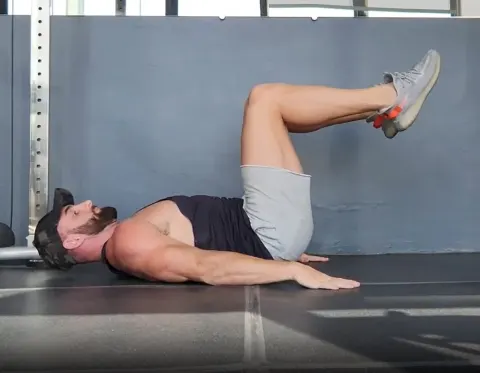
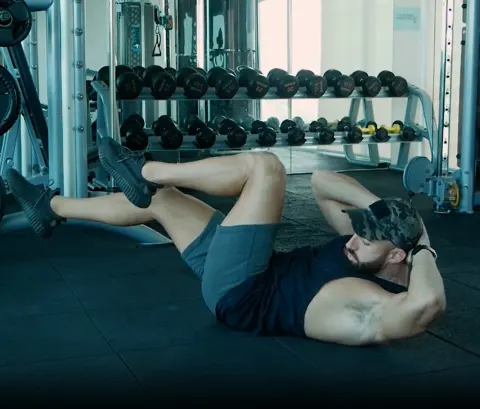
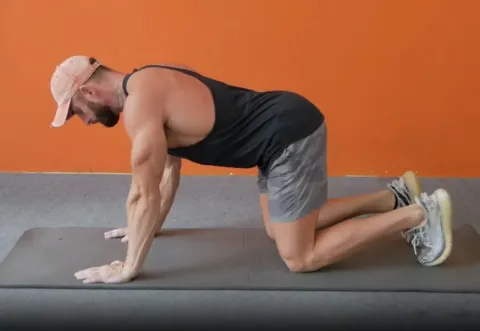
Hanging Knee Raise alternatives
Same movement pattern, different equipment or difficulty. Swap one-for-one in any plan.
Frequently asked questions
What muscles does the Hanging Knee Raise work?
Primary: Core, Hip Flexors. Secondary: Core, Hip Flexors, Forearms, Lats, Obliques
How many sets and reps of Hanging Knee Raise should I do?
For muscle: 3–4 sets of 8–15 reps. For strength on compound lifts: 4–5 sets of 4–6. Rest 60–120 seconds between sets.
What can I do instead of the Hanging Knee Raise?
Same movement pattern, different equipment: Reverse Crunch, Hanging Leg Raise, Lying Leg Raise, Dead Bug, Bicycle Crunch, Bird Dog.
Is the Hanging Knee Raise good for beginners?
With some training experience, yes. Beginners should start with one of the easier alternatives listed and progress to it.