How to do the V-ups
Primary: Core.
V-ups are a high-intensity abdominal exercise that targets the rectus abdominis, requiring a combination of strength, balance, and coordination. This exercise involves lifting both your upper body and legs simultaneously, making it a compound move that engages multiple muscle groups. Performing V-ups can help enhance core strength and improve overall stability and athletic performance.
Step by step
- 1
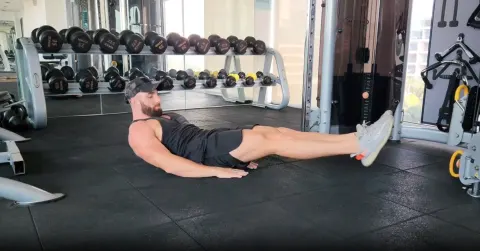
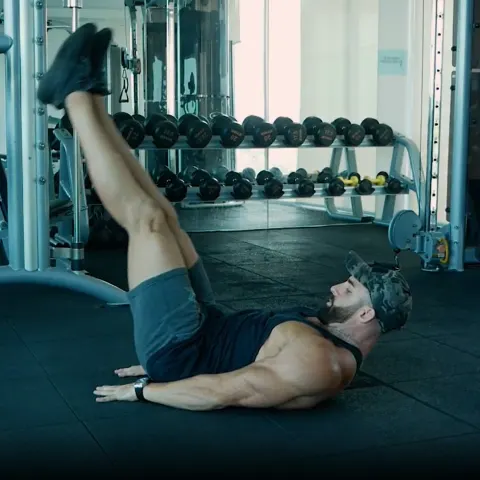
Lie flat on your back with your arms extended overhead and legs straight.
- 2
Simultaneously lift your legs and upper body towards each other, reaching your hands towards your feet.
- 3
Slowly lower back to the starting position and repeat.
Coaching cues
- Keep your core engaged throughout the movement to protect your lower back.
- Maintain straight legs and arms to maximize the effectiveness of the exercise.
- Breathe out as you lift your body and legs, and inhale as you lower them back down.
Sets, reps and where it fits
Muscle
3–4 × 10–20
rest 60–90 s
Strength
4–5 × 4–6
rest 2–3 min
Fat loss
3 × 10–20
rest 45–60 s
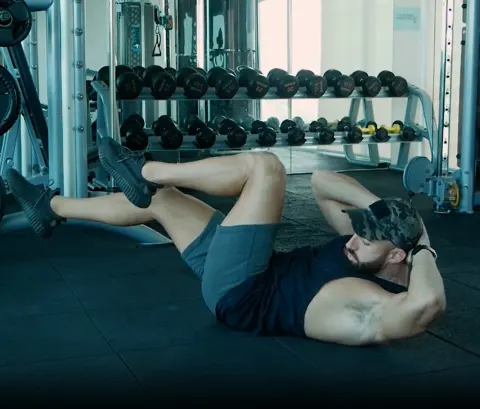
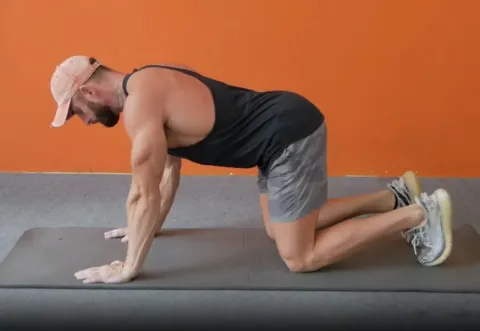
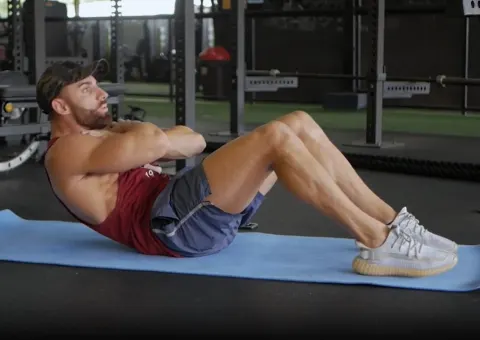
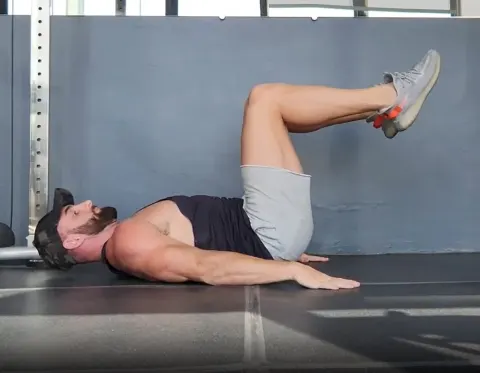
V-ups alternatives
Same movement pattern, different equipment or difficulty. Swap one-for-one in any plan.
Frequently asked questions
What muscles does the V-ups work?
Primary: Core.
How many sets and reps of V-ups should I do?
For muscle: 3–4 sets of 10–20 reps. For strength on compound lifts: 4–5 sets of 4–6. Rest 60–120 seconds between sets.
What can I do instead of the V-ups?
Same movement pattern, different equipment: Bicycle Crunch, Bird Dog, Crunch, Dead Bug, Flutter Kick, Lying Leg Raise.
Is the V-ups good for beginners?
With some training experience, yes. Beginners should start with one of the easier alternatives listed and progress to it.