How to do the Decline Crunch
Primary: Core · also works Obliques, Hip Flexors.
The decline crunch is a highly effective abdominal exercise that primarily targets the rectus abdominis muscle. It is performed on a decline bench, which increases the resistance and intensity compared to a standard crunch. By engaging the muscles to lift the upper body against gravity, this exercise helps in building core strength and developing a well-defined midsection. Being an isolation exercise, it emphasizes retracting the core without involving other muscle groups significantly, making it an excellent choice for focusing on abdominal strength.
Step by step
- 1
Lie down on a decline bench and secure your feet at the top of the bench.
- 2
Place your hands beside your head or crossed over your chest.
- 3
Exhale as you lift your shoulders off the bench, bringing your upper body towards your knees.
- 4
Hold the contraction at the top for a moment before slowly lowering back to the starting position.
Coaching cues
- Ensure you perform the crunch in a controlled motion to maximize muscle engagement and prevent injury.
- Keep your lower back pressed against the bench to avoid straining your back.
- Focus on lifting with your abs rather than pulling on your neck or head to avoid tension in the neck area.
Sets, reps and where it fits
Muscle
3–4 × 12–20
rest 60–90 s
Strength
not a strength lift
use for assistance
Fat loss
3 × 12–20
rest 45–60 s
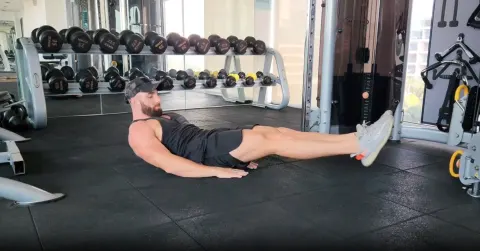
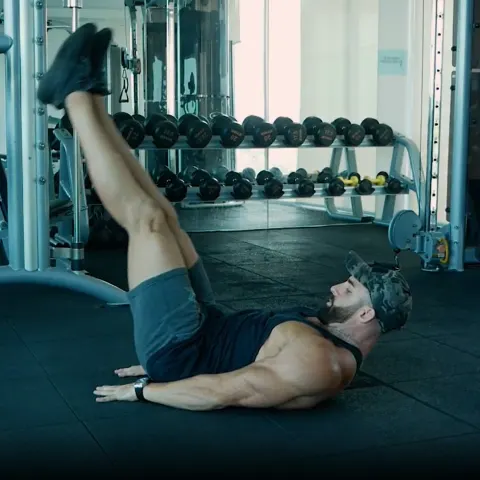
Decline Crunch alternatives
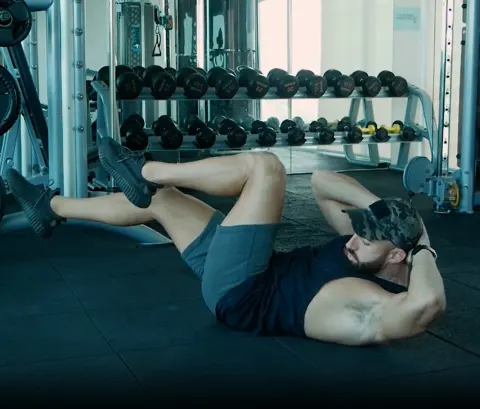
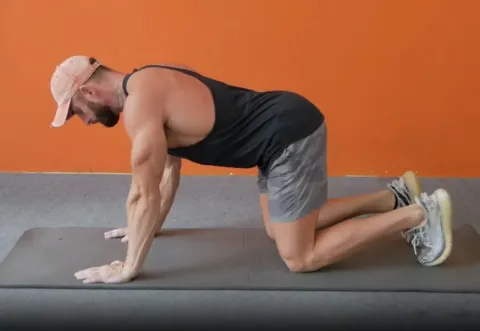
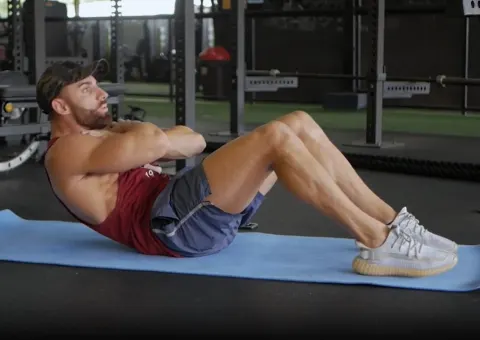
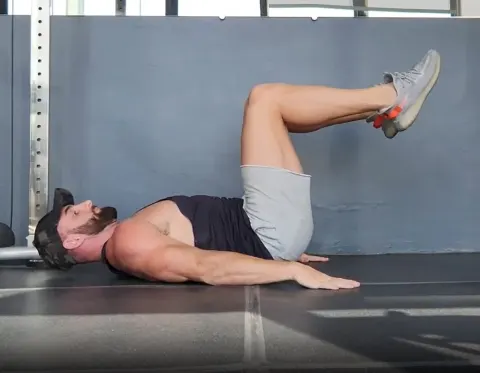
Same movement pattern, different equipment or difficulty. Swap one-for-one in any plan.
Frequently asked questions
What muscles does the Decline Crunch work?
Primary: Core. Secondary: Core, Obliques, Hip Flexors
How many sets and reps of Decline Crunch should I do?
For muscle: 3–4 sets of 12–20 reps. For strength on compound lifts: 4–5 sets of 4–6. Rest 60–120 seconds between sets.
What can I do instead of the Decline Crunch?
Same movement pattern, different equipment: Bicycle Crunch, Bird Dog, Crunch, Dead Bug, Flutter Kick, Lying Leg Raise.
Is the Decline Crunch good for beginners?
Yes. It is a beginner-friendly movement; start light, master the steps above and add load gradually.