How to do the High Straight Arm Plank
Primary: Core · also works Shoulders, Upper Back, Lower Back, Glutes, Quads.
The high straight arm plank is an effective full-body workout, primarily targeting the abs but also engaging the shoulders, back, glutes, and quads. This exercise is perfect for beginners, as it builds core strength and stability. The high plank prepares the body for more complex movements and other strength training exercises, making it an essential component of any fitness routine.
Step by step
- 1
Start in a push-up position with your arms straight, hands shoulder-width apart, and toes on the floor.
- 2
Keep your body in a straight line from your heels to your head, engaging your core to prevent your lower back from sagging.
- 3
Hold this position for the desired duration, making sure to maintain form and breathing steadily.
Coaching cues
- Focus on engaging your core throughout the exercise to prevent your hips from dropping.
- Keep your hands directly under your shoulders to maintain proper alignment and reduce strain on your wrists.
- Do not let your head drop; keep it in line with your spine to avoid neck strain.
Sets, reps and where it fits
Muscle
3–4 × 30–60 sec
rest 60–90 s
Strength
not a strength lift
use for assistance
Fat loss
3 × 30–60 sec
rest 45–60 s
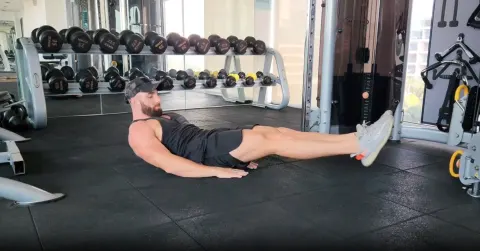
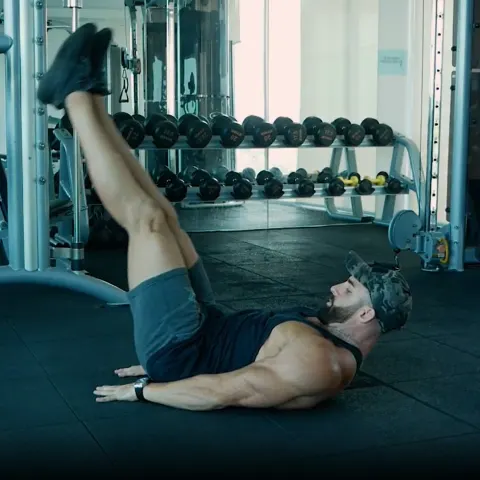
High Straight Arm Plank alternatives
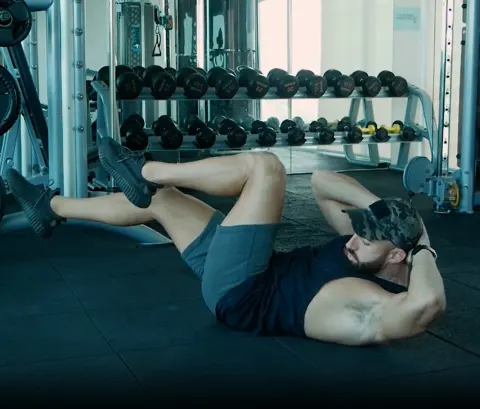
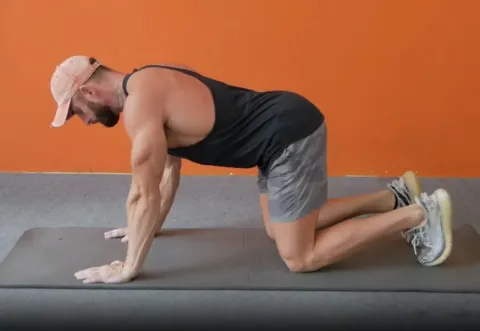
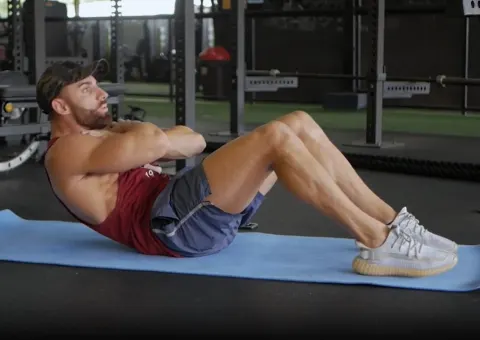
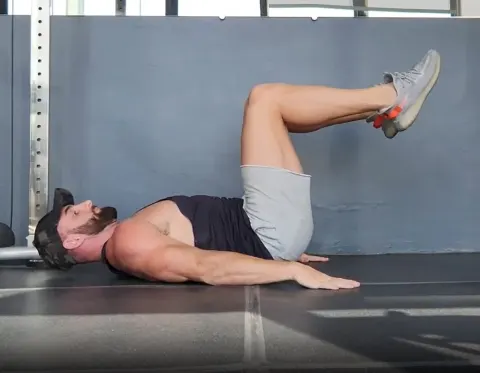
Same movement pattern, different equipment or difficulty. Swap one-for-one in any plan.
Frequently asked questions
What muscles does the High Straight Arm Plank work?
Primary: Core. Secondary: Core, Shoulders, Upper Back, Lower Back, Glutes, Quads
How many sets and reps of High Straight Arm Plank should I do?
Hold or work for 30–60 seconds per set, 3–4 sets, resting 45–60 seconds between them. Add time before adding load.
What can I do instead of the High Straight Arm Plank?
Same movement pattern, different equipment: Bicycle Crunch, Bird Dog, Crunch, Dead Bug, Flutter Kick, Lying Leg Raise.
Is the High Straight Arm Plank good for beginners?
Yes. It is a beginner-friendly movement; start light, master the steps above and add load gradually.