How to do the Plank on Elbows
Primary: Core · also works Shoulders, Lower Back, Glutes.
The plank on elbows is a core stabilization exercise that primarily targets the abdominal muscles. It is performed by maintaining a static position similar to a push-up but with the weight distributed on the forearms instead of the hands. This exercise also engages the lower back, shoulders, and glutes, making it an effective full-core workout. The plank on elbows is suitable for all fitness levels and is an excellent exercise for improving overall core strength and stability.
Step by step
- 1
Start by lying face down on the floor or a mat.
- 2
Place your elbows directly under your shoulders and forearms flat on the ground.
- 3
Lift your body off the ground by contracting your abs and glutes, forming a straight line from head to heels.
- 4
Keep your head and neck neutral, looking down at the floor.
- 5
Hold the position for the desired amount of time without allowing your hips to sag or rise.
Coaching cues
- Engage your core fully to maintain proper alignment.
- Avoid letting your hips drop or lifting your butt too high.
- Breathe steadily and do not hold your breath throughout the exercise.
Sets, reps and where it fits
Muscle
3–4 × 30–60 sec
rest 60–90 s
Strength
not a strength lift
use for assistance
Fat loss
3 × 30–60 sec
rest 45–60 s
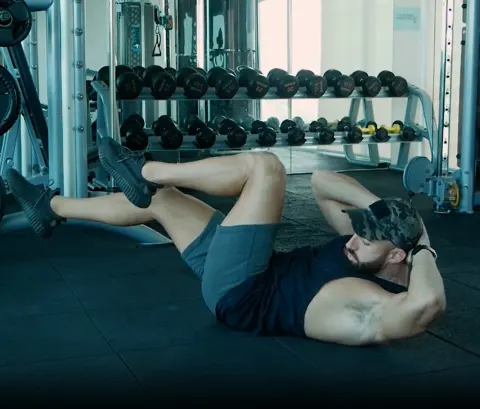
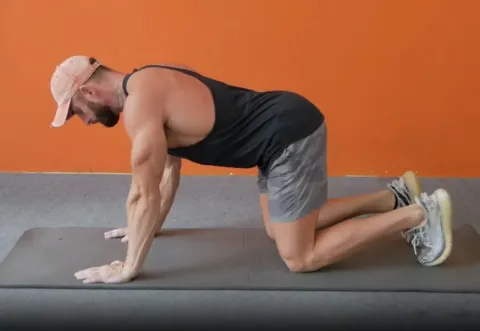
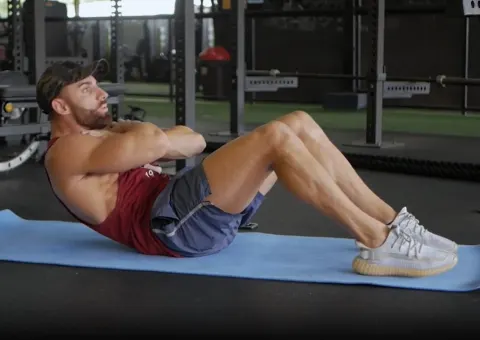
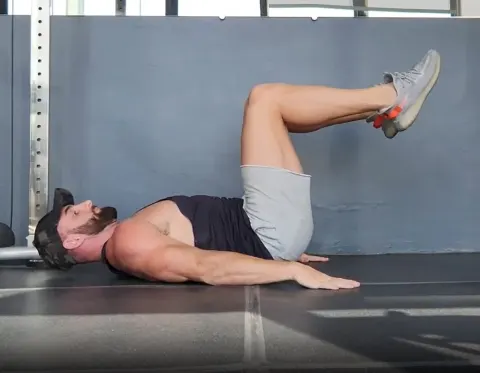
Plank on Elbows alternatives
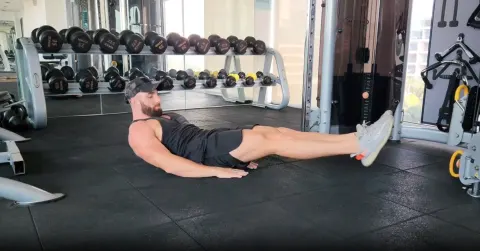
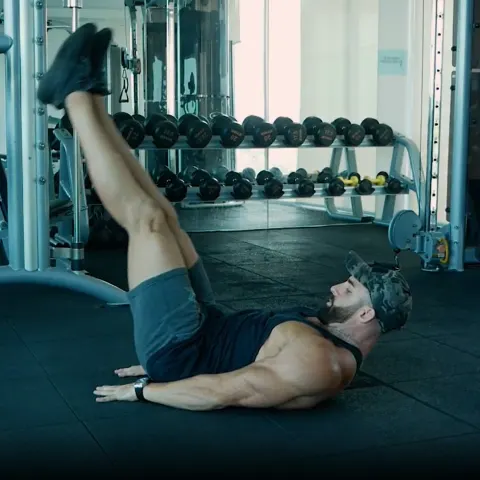
Same movement pattern, different equipment or difficulty. Swap one-for-one in any plan.
Frequently asked questions
What muscles does the Plank on Elbows work?
Primary: Core. Secondary: Core, Shoulders, Lower Back, Glutes
How many sets and reps of Plank on Elbows should I do?
Hold or work for 30–60 seconds per set, 3–4 sets, resting 45–60 seconds between them. Add time before adding load.
What can I do instead of the Plank on Elbows?
Same movement pattern, different equipment: Bicycle Crunch, Bird Dog, Crunch, Dead Bug, Flutter Kick, Lying Leg Raise.
Is the Plank on Elbows good for beginners?
Yes. It is a beginner-friendly movement; start light, master the steps above and add load gradually.