How to do the Plank Up Down Elbows
Primary: Core · also works Shoulders, Triceps, Obliques.
Plank Up Down Elbows is a bodyweight exercise that targets the abs, shoulders, and triceps. It involves transitioning from a high plank position to a low plank on the elbows and back to a high plank again, thus engaging multiple muscle groups and improving overall core strength and stability. This exercise requires no equipment, making it an excellent addition to any core workout routine at home or at the gym.
Step by step
- 1
Start in a high plank position with your hands directly under your shoulders and your body forming a straight line from head to heels.
- 2
Lower your right arm down so that your forearm is on the floor.
- 3
Follow with your left arm so you are in a low plank position on both forearms.
- 4
Reverse the movement by placing your right hand on the floor and pushing your body back up, followed by your left hand.
- 5
Continue alternating between high and low planks in a controlled manner.
Coaching cues
- Keep your core engaged and body straight throughout the exercise.
- Avoid letting your hips sag or pike up; maintain a neutral spine.
- Move slowly and with control to maximize muscle engagement and avoid injury.
Sets, reps and where it fits
Muscle
3–4 × 10–20
rest 60–90 s
Strength
4–5 × 4–6
rest 2–3 min
Fat loss
3 × 10–20
rest 45–60 s
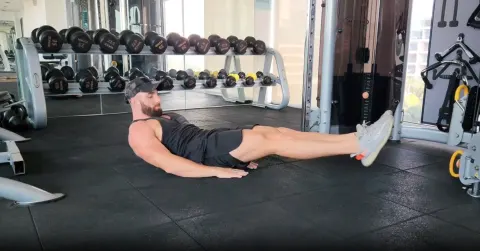
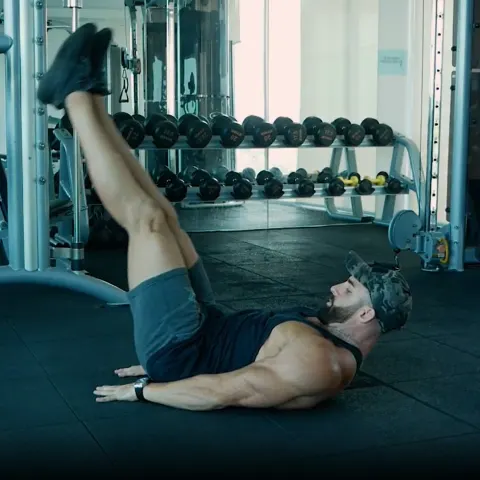
Plank Up Down Elbows alternatives
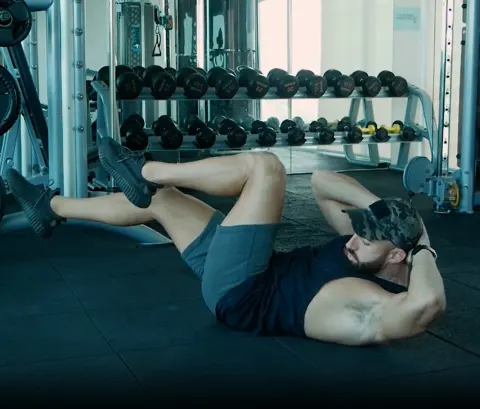
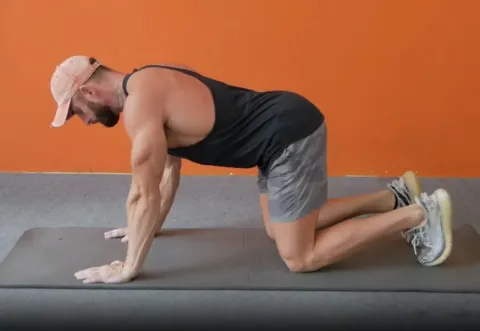
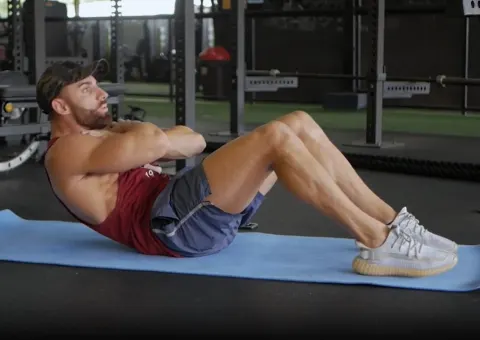
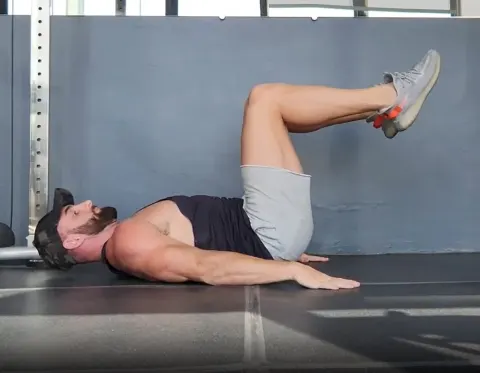
Same movement pattern, different equipment or difficulty. Swap one-for-one in any plan.
Frequently asked questions
What muscles does the Plank Up Down Elbows work?
Primary: Core. Secondary: Core, Shoulders, Triceps, Obliques
How many sets and reps of Plank Up Down Elbows should I do?
For muscle: 3–4 sets of 10–20 reps. For strength on compound lifts: 4–5 sets of 4–6. Rest 60–120 seconds between sets.
What can I do instead of the Plank Up Down Elbows?
Same movement pattern, different equipment: Bicycle Crunch, Bird Dog, Crunch, Dead Bug, Flutter Kick, Lying Leg Raise.
Is the Plank Up Down Elbows good for beginners?
With some training experience, yes. Beginners should start with one of the easier alternatives listed and progress to it.