How to do the Sit Ups
Primary: Core.
Sit Ups are a fundamental bodyweight exercise designed to strengthen the abdominal muscles. They are a great addition to any fitness routine, improving core stability and endurance. The exercise involves lying on one's back, bending the knees, and lifting the torso to the thighs through abdominal contraction. It's widely used for toning the stomach area and enhancing overall core strength. This exercise can be performed anywhere without the need for any special equipment, making it highly accessible for individuals at all fitness levels.
Step by step
- 1
Lie down on your back with your knees bent and feet flat on the ground.
- 2
Cross your arms over your chest or place your hands behind your head, being careful not to pull on your neck.
- 3
Engage your abs and lift your upper body towards your thighs, exhaling as you come up.
- 4
Lower your torso back to the starting position in a controlled manner, inhaling as you go down.
- 5
Repeat for the desired number of repetitions.
Coaching cues
- Keep your movements controlled; avoid using momentum by swinging your body.
- Focus on using your abdominal muscles to lift your body rather than straining your neck or using your arms.
- Ensure your feet remain flat on the ground to maintain stability throughout the exercise.
Sets, reps and where it fits
Muscle
3–4 × 10–30
rest 60–90 s
Strength
4–5 × 4–6
rest 2–3 min
Fat loss
3 × 10–30
rest 45–60 s
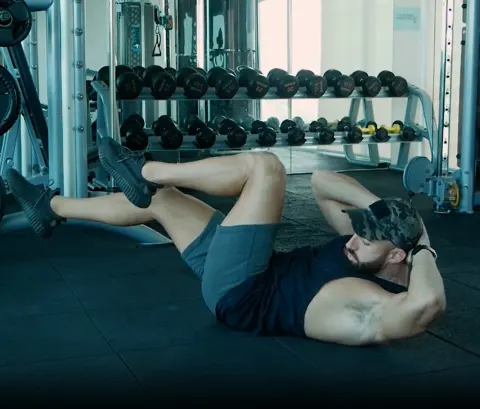
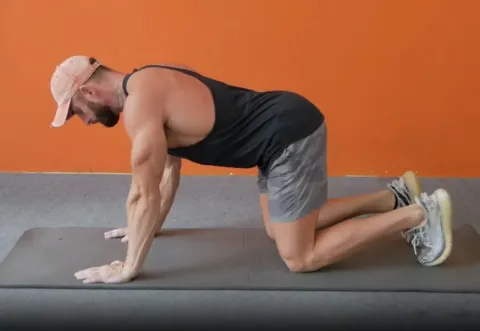
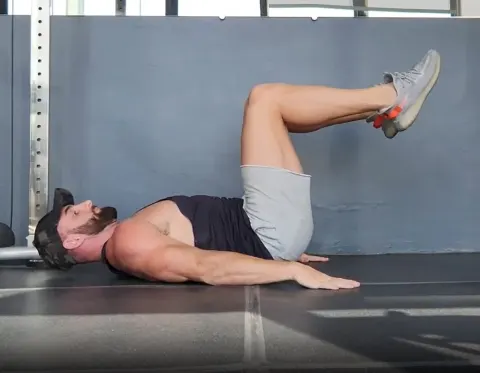
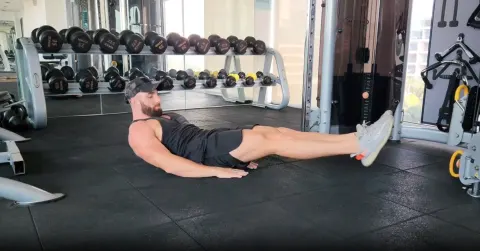
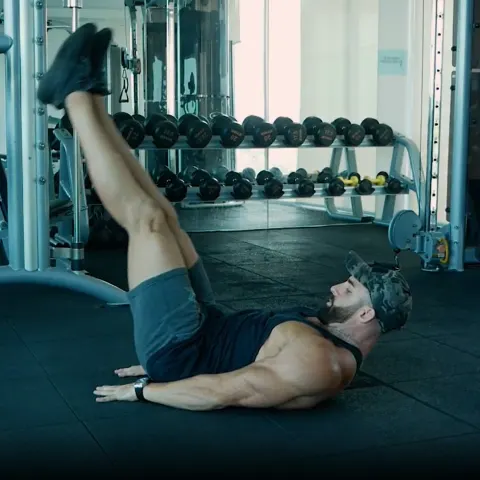
Sit Ups alternatives
Same movement pattern, different equipment or difficulty. Swap one-for-one in any plan.

Frequently asked questions
What muscles does the Sit Ups work?
Primary: Core.
How many sets and reps of Sit Ups should I do?
For muscle: 3–4 sets of 10–30 reps. For strength on compound lifts: 4–5 sets of 4–6. Rest 60–120 seconds between sets.
What can I do instead of the Sit Ups?
Same movement pattern, different equipment: Bicycle Crunch, Bird Dog, Crunch, Dead Bug, Flutter Kick, Lying Leg Raise.
Is the Sit Ups good for beginners?
Yes. It is a beginner-friendly movement; start light, master the steps above and add load gradually.