How to do the V-Up
Primary: Core, Hip Flexors · also works Obliques, Quads. Also called: jackknife sit up, v sit up.
Step by step
- 1
Lie on your back with arms extended overhead and legs straight.
- 2
Brace your core and press your lower back toward the floor.
- 3
Lift your legs and torso at the same time, reaching your hands toward your feet.
- 4
Pause at the top in a V shape.
- 5
Lower under control and repeat.
Coaching cues
- Lift arms and legs together
- Reach for the toes
- Control the descent
Common mistakes
- Using momentum from the arms
- Rounding the shoulders hard
- Dropping to the floor between reps
Sets, reps and where it fits
Muscle
3–4 × 8–15
rest 60–90 s
Strength
not a strength lift
use for assistance
Fat loss
3 × 10–15
rest 45–60 s
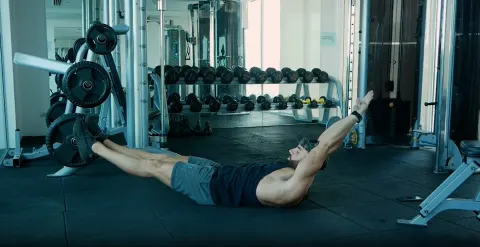
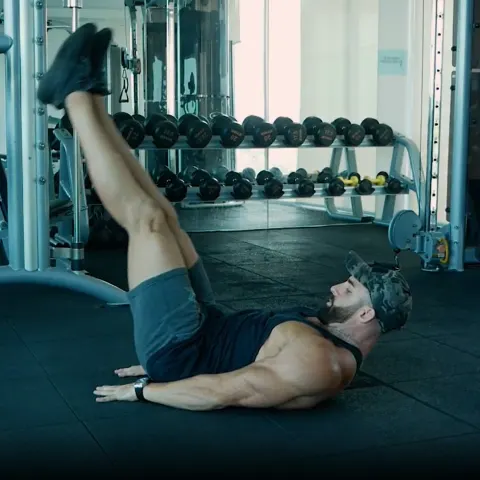
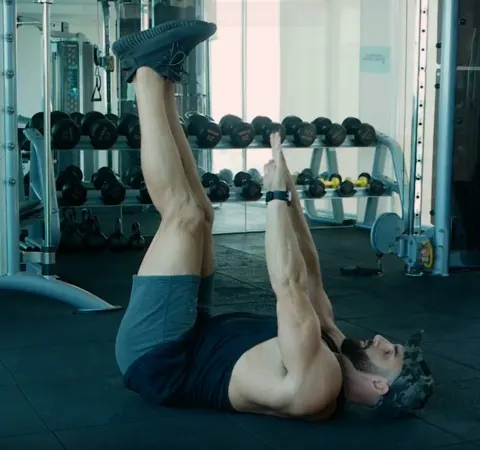
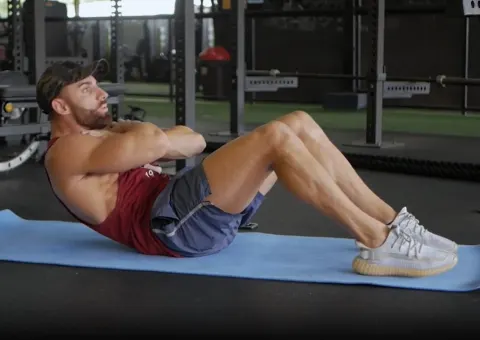
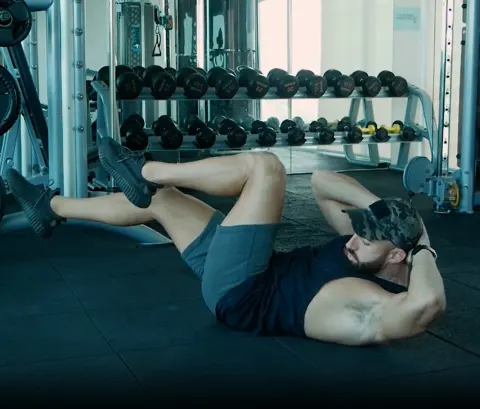
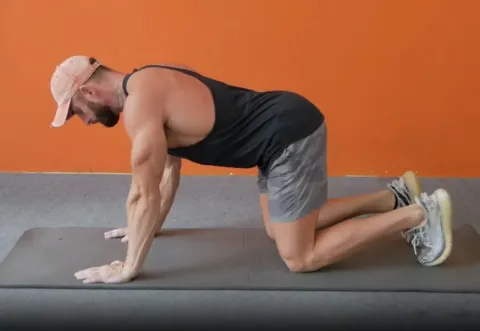
V-Up alternatives
Same movement pattern, different equipment or difficulty. Swap one-for-one in any plan.
Frequently asked questions
What muscles does the V-Up work?
Primary: Core, Hip Flexors. Secondary: Core, Hip Flexors, Obliques, Quads
How many sets and reps of V-Up should I do?
For muscle: 3–4 sets of 8–15 reps. For strength on compound lifts: 4–5 sets of 4–6. Rest 60–120 seconds between sets.
What can I do instead of the V-Up?
Same movement pattern, different equipment: Hollow Body Hold, Lying Leg Raise, Toe Touch Crunch, Crunch, Bicycle Crunch, Bird Dog.
Is the V-Up good for beginners?
With some training experience, yes. Beginners should start with one of the easier alternatives listed and progress to it.