Exercise comparison
Band Row vs Inverted Row
Both train the horizontal pull pattern and hit the upper back / lats, so either can fill the same slot in a plan. Neither is "better": run one for a 6–8 week block, then switch. Keep the sets, reps and progression rules from your plan.
Band Row
Primary: Upper Back, Lats
Choose the Band Row if…
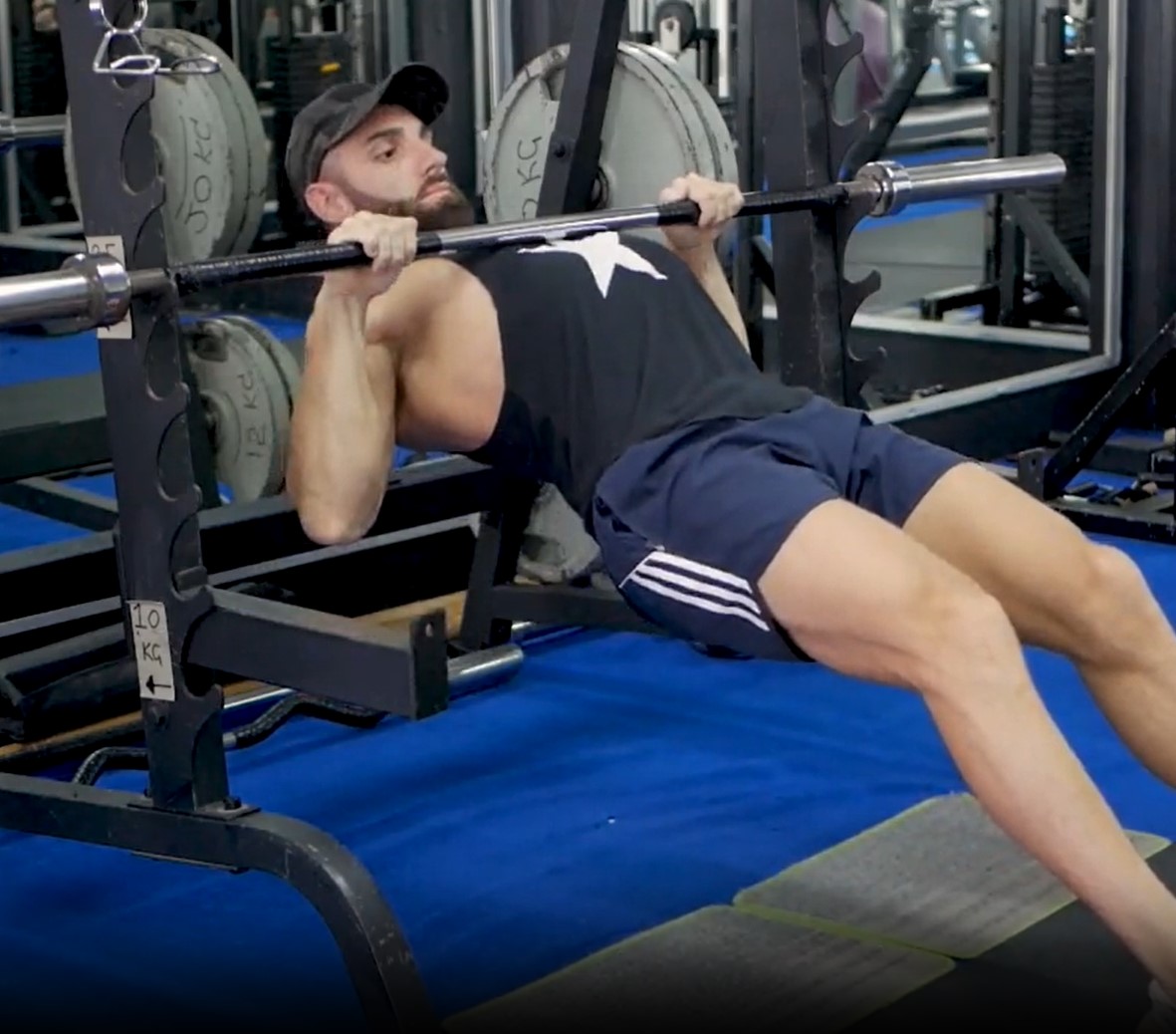 video
Inverted Row
Primary: Upper Back, Lats
Choose the Inverted Row if…
- you also want work for Core
Side by side
| Band Row | Inverted Row | |
|---|---|---|
| Primary muscles | Upper Back, Lats | Upper Back, Lats |
| Also works | Biceps, Rear Delts | Biceps, Rear Delts, Core |
| Equipment | Resistance Band | Bodyweight |
| Movement pattern | Horizontal Pull | Horizontal Pull |
| Difficulty | Beginner | Beginner |
| Compound | Yes | Yes |
| Unilateral | No | No |
| Typical reps | 12–20 | 8–15 |
| Impact | Low | Low |
| Knee stress | Low | Low |
| Spine load | Low | Low |
| Home-friendly | Yes | Yes |
| Demo video | No | Yes |
Highlighted rows differ between the two exercises.
Muscles worked: Band Row
Muscles worked: Inverted Row
Put either one in a plan
The generator picks the version that fits your equipment and swaps it for the alternative when the slot repeats. Sets, reps, rest and an 8-week progression included.
More comparisons
Frequently asked questions
Is the Band Row or the Inverted Row better for upper back?
Both train the horizontal pull pattern and hit the upper back / lats, so either can fill the same slot in a plan. Pick the Band Row if you prefer it.
Can I do both the Band Row and the Inverted Row in one workout?
You can, but they overlap heavily. Better: one as the main lift, and spend the second slot on a different pattern or muscle, or alternate them between training blocks.
Which is safer for beginners?
Both are rated beginner; start with lighter loads and master the form steps on each exercise page.