Weight Loss Workout Plan: Lift, Walk and Keep Your Muscle
A weight loss workout plan that pairs three strength sessions with daily steps and a modest calorie deficit, so you lose fat and keep the muscle you have.
Example week
3-Day Dumbbell Workout Plan for Weight Loss
A complete week you can start today: exercises, sets, reps and rest for every session, with swaps for each exercise. Open this plan on its own page (PDF) →
Split
Full Body
Sessions / week
3
Avg. session
39 min
Schedule
Mon · Wed · Fri
Warm-up (every session, ~6 min)
- 3–5 min easy cardio: brisk walk, bike, jump rope or marching in place.
- Dynamic mobility: 10 leg swings each way, 10 hip circles, 10 arm circles, 8 cat-cows.
- Ramp-up sets on the first exercise: 1–2 light sets of 8 before your working sets.
Day 1
Full Body A
Squat + push + pull
-
Quads, Glutes · Dumbbell
- Sets
- 2
- Reps
- 8–12
- Rest
- 75s
- Effort
- RPE 7–8
swap: Goblet Squat, Bodyweight Squat, Sumo Squat
-
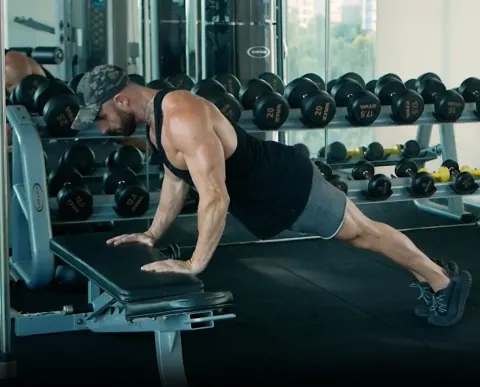
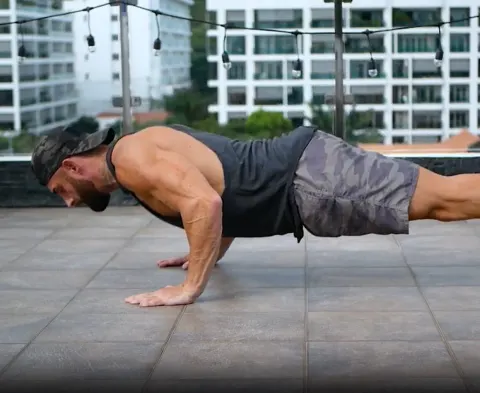
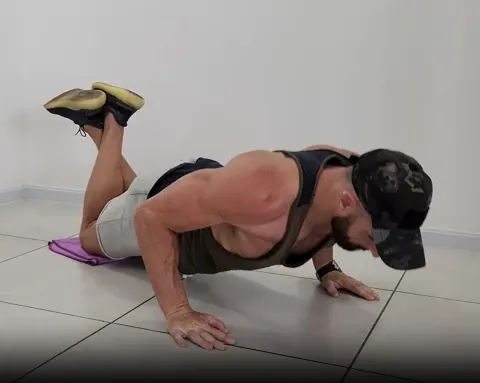
Chest, Triceps · Dumbbell
- Sets
- 2
- Reps
- 8–12
- Rest
- 75s
- Effort
- RPE 7–8
-
Upper Back, Lats · Dumbbell
- Sets
- 2
- Reps
- 8–12
- Rest
- 75s
- Effort
- RPE 7–8
swap: Dumbbell Row, Inverted Row, Rear Delt Fly
-
Hamstrings, Glutes · Dumbbell
- Sets
- 2
- Reps
- 10–15
- Rest
- 60s
- Effort
- RPE 7–8
swap: Bodyweight Hip Hinge, Dumbbell Deadlift, Bodyweight Good Morning
-
Front Delts, Side Delts · Dumbbell
- Sets
- 3
- Reps
- 12–15
- Rest
- 45s
- Effort
- RPE 8
-
Full Body · Bodyweight
- Sets
- 6
- Reps
- 30 sec on / 30 sec off
- Rest
- 30s
- Effort
- hard but steady
swap: High Knees, Jump Rope, Shadow Boxing
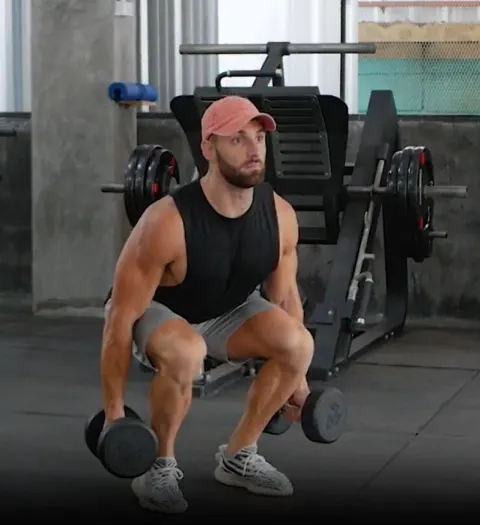
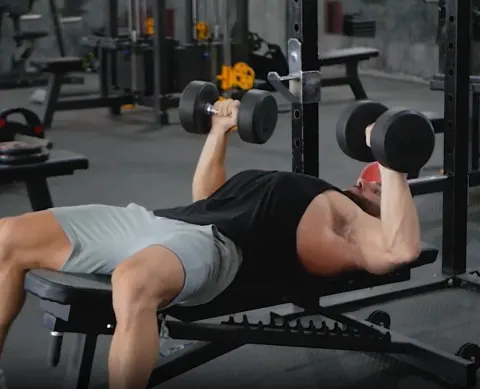
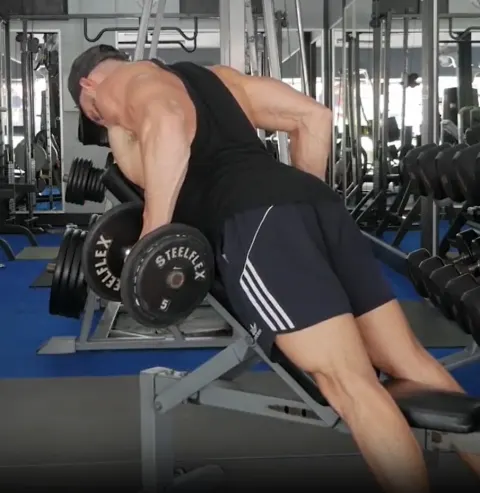
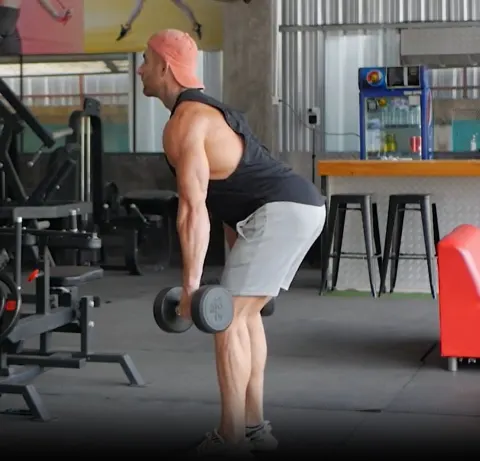
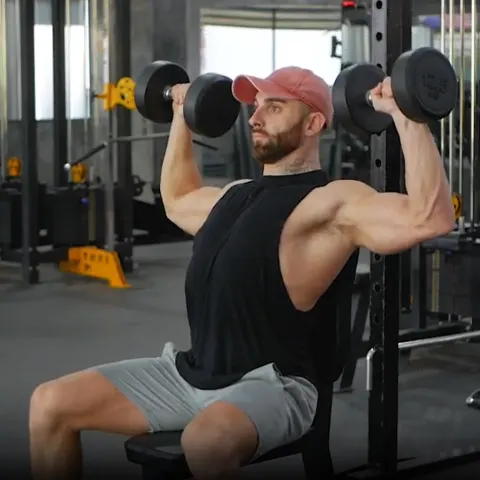
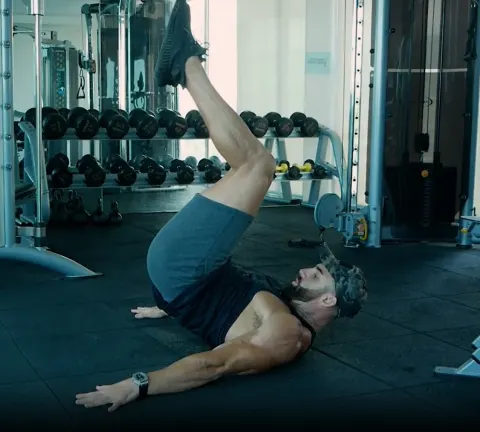

Day 2
Full Body B
Hinge + vertical push/pull
-
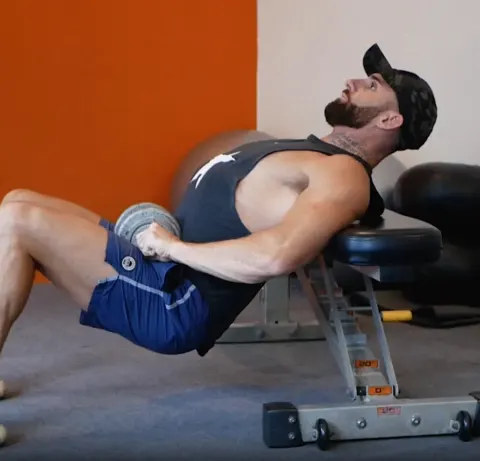
Hamstrings, Glutes · Dumbbell
- Sets
- 2
- Reps
- 8–12
- Rest
- 75s
- Effort
- RPE 7–8
-
Lats, Upper Back · Dumbbell
- Sets
- 2
- Reps
- 8–12 / side
- Rest
- 75s
- Effort
- RPE 7–8
-
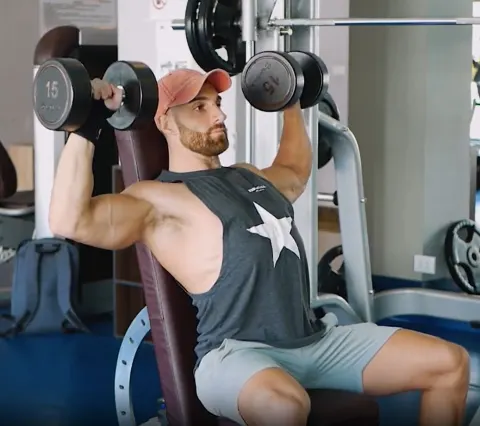
Front Delts, Side Delts · Dumbbell
- Sets
- 2
- Reps
- 8–12
- Rest
- 75s
- Effort
- RPE 7–8
-
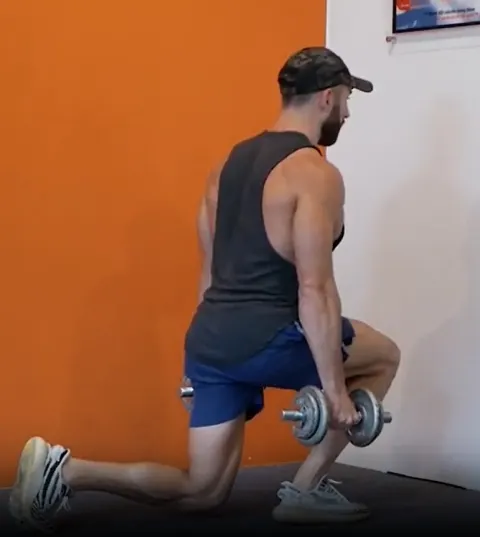
Quads, Glutes · Dumbbell
- Sets
- 2
- Reps
- 10–15 / side
- Rest
- 60s
- Effort
- RPE 7–8
swap: Reverse Lunge, Split Squat, Step-Up
-
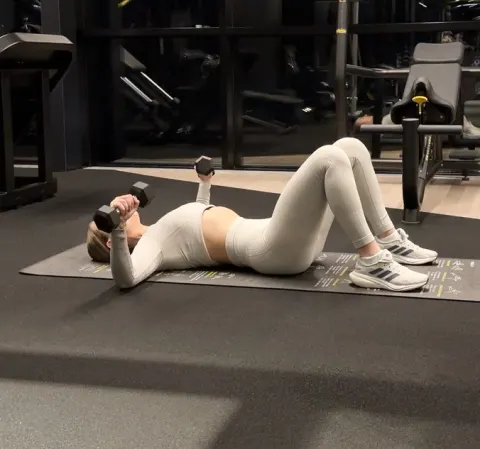
Chest, Triceps · Dumbbell
- Sets
- 3
- Reps
- 12–15
- Rest
- 45s
- Effort
- RPE 8
-
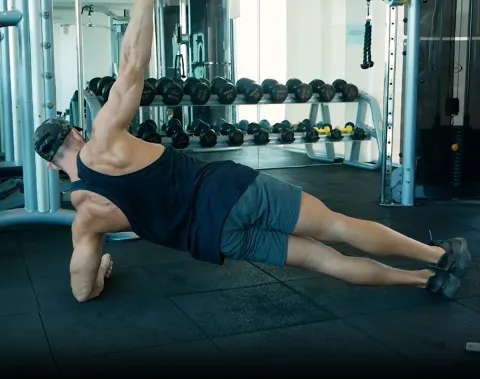
Obliques, Core · Bodyweight
- Sets
- 3
- Reps
- 15–20
- Rest
- 45s
- Effort
- controlled
-
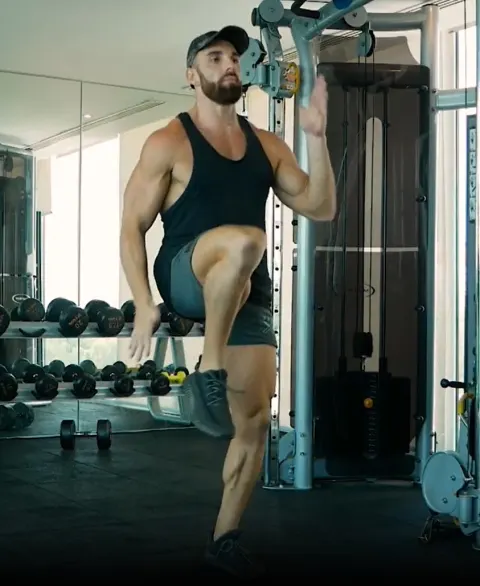
Hip Flexors, Quads · Bodyweight
- Sets
- 6
- Reps
- 30 sec on / 30 sec off
- Rest
- 30s
- Effort
- hard but steady
swap: Jumping Jack, Mountain Climber, Jump Rope
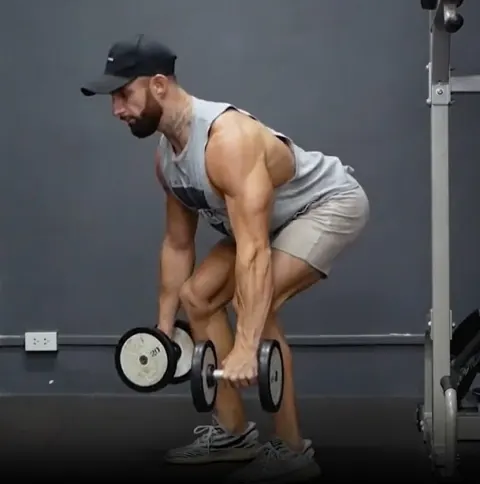
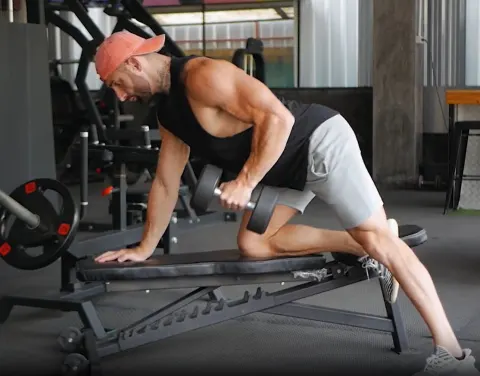

Day 3
Full Body C
Single-leg + chest + back
-
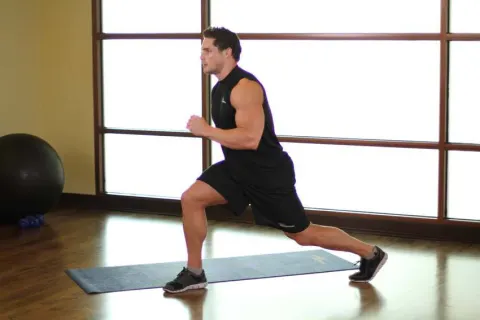
Quads, Glutes · Bodyweight
- Sets
- 2
- Reps
- 8–12 / side
- Rest
- 75s
- Effort
- RPE 7–8
swap: Reverse Lunge, Forward Lunge, Step-Up
-
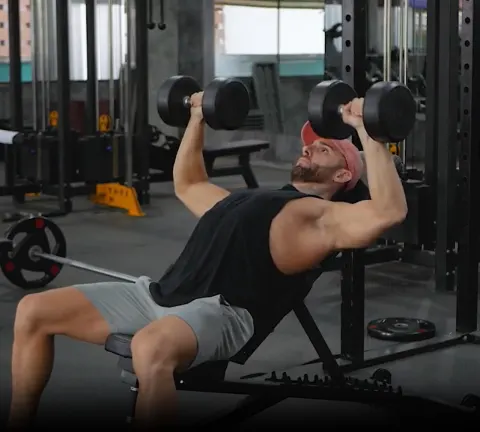
Chest, Front Delts · Dumbbell
- Sets
- 2
- Reps
- 8–12
- Rest
- 75s
- Effort
- RPE 7–8
-
Upper Back, Lats · Bodyweight
- Sets
- 2
- Reps
- 8–12
- Rest
- 75s
- Effort
- RPE 7–8
-
Front Delts · Dumbbell
- Sets
- 3
- Reps
- 12–15
- Rest
- 45s
- Effort
- RPE 8
swap: Dumbbell Shoulder Press, Dumbbell Lateral Raise, Dumbbell Shrug
-
Obliques, Core · Bodyweight
- Sets
- 3
- Reps
- 30–60 sec
- Rest
- 45s
- Effort
- controlled
swap: Plank, Suitcase Carry, Russian Twist
-
Hip Flexors, Quads · Bodyweight
- Sets
- 6
- Reps
- 30 sec on / 30 sec off
- Rest
- 30s
- Effort
- hard but steady
swap: Jumping Jack, Mountain Climber, Jump Rope

8-week progression: what to change each week
Same exercises for the whole block. Weeks move the reps, then the load; the last week is a deload.
| Week | Load | Reps | Effort | What to watch |
|---|---|---|---|---|
| 1 | Light: learn the movements | bottom of range (8) | RPE 6–7 | Stop every set 3 reps before failure; film one set per exercise to check form. |
| 2 | Same weight | +1 rep per set (10) | RPE 7–8 | Same exercises, same order; only the reps move. |
| 3 | Same weight | top of range (12) | RPE 8 | All sets at the top of the range → add load next week. Missed a set? Repeat the week. |
| 4 | next dumbbell / harder variation | bottom of range (8) | RPE 7–8 | New weight feels hard at low reps; that is the plan working. |
| 5 | Same weight | +1 rep per set (10) | RPE 8 | Shave 10 s off every rest period. |
| 6 | Same weight | top of range (12) | RPE 8 | Second time at the top: take the last set of each main lift to 1 rep in reserve. |
| 7 | next dumbbell / harder variation | bottom of range (8) | RPE 8 | Bodyweight moves: slow the lowering phase to 3 s or move to the harder variation. |
| 8 | Deload: 60 % | bottom of range | RPE 5–6 | Half the sets, then regenerate a variation or change the split for the next block. |
How to progress
- First 2 weeks: focus on form with light weights, stop each set 3 reps before failure.
- Rest less, not lift less: shave 10 seconds off rest periods every two weeks until you hit the targets above.
- When all sets reach the top of the range, add weight or reps, never both at once.
- Daily steps matter more than any finisher: aim for 8 000–10 000 on non-training days.
Notes for this plan
- Home setup: if a weight gets too light, slow the lowering phase to 3–4 seconds or add a pause at the hardest point.
- Sessions can move between days; keep at least one rest day between hard sessions for the same muscles.
A weight loss plan that works has three parts: a small calorie deficit, two to four strength sessions a week, and a lot of ordinary walking. The deficit removes the fat. The lifting tells your body to hold on to muscle while that happens. The walking widens the deficit without making you hungrier or more tired.
What training does for fat loss, and what it cannot do
A 45-minute strength session burns roughly 200–350 kcal, about the energy in a cheese sandwich. Nobody lifts their way out of a surplus, and trying to is why so many people train hard for months and weigh the same.
What lifting changes is the make-up of the weight you lose. Diet without resistance training and a meaningful share of every lost kilo is muscle. Diet while you keep loading your muscles with challenging sets and nearly all of it is fat. The scale reads the same, but the body is firmer and stronger, and it has a higher maintenance intake to return to when the diet ends.
So judge your sessions by one question: are your lifts holding steady or creeping up while your weight comes down? If yes, the plan is doing its job.
The levers, ranked by size
| Lever | Target | What it contributes |
|---|---|---|
| Food | 300–500 kcal under maintenance, every day | Nearly all of the fat loss: 2,100–3,500 kcal a week |
| Steps | 8,000–10,000 a day, rest days included | About 1,750–2,800 kcal a week, with no recovery cost |
| Strength training | 2–4 sessions of about 40 minutes | 400–1,400 kcal a week, and the reason muscle stays |
| Finishers | 6 minutes after each session | A little fitness and a small extra burn |
Set the first row with the calorie deficit calculator before you think about the others. Nailing rows two to four while ignoring row one produces a fitter person at the same weight.
How the example week is built
The example week above uses three full-body sessions on Monday, Wednesday and Friday with a pair of dumbbells. Each day trains legs, a push and a pull, so every muscle gets a reason to stay three times a week. Miss a session and you lose a third of the week, not a whole body part.
The lifts sit between 8 and 15 reps with 45–75 seconds of rest: 2 sets on the bigger movements, 3 on the lighter ones and on core work. That is heavy enough to hold muscle and brisk enough to fit six movements into about 40 minutes. It is not a circuit. You still rest, because breathless sets with a weight you could lift 30 times give muscle little reason to stick around.
Each session closes with a finisher: 6 rounds of 30 seconds of work and 30 seconds off. The week above uses jumping jacks and high knees. If jumping does not suit your knees or your floor, swap in a low-impact move such as mountain climbers. The finisher is a garnish. When time is short, cut it before you cut a set of squats.
This is a beginner week, so spend the first fortnight with weights that leave about 3 reps in the tank on every set. Soreness is not the goal and it burns no fat.
Choosing your days and equipment
Days. Two sessions hold muscle, three is the default, four makes each session shorter. More than four rarely helps in a deficit, because recovery is the thing you are short of.
- Two days: the 2-day dumbbell plan for beginners, Monday and Thursday.
- Three days: the 3-day dumbbell weight-loss plan, the same layout as the example.
- Four days: the 4-day gym plan for weight loss, an upper/lower split on Monday, Tuesday, Thursday and Friday.
Equipment. Fat loss does not care what you lift. Dumbbells cover every movement and suit most homes. A gym adds barbells and machines, which makes loading the legs easier. A kettlebell plan needs one bell and a patch of floor. With nothing at all, the home workout plan for weight loss shows how to make bodyweight work hard enough.
Progressing while you eat less
You will not set many records in a deficit, and you do not need to. The aim is to stop the numbers sliding. Two rules:
- Add weight or reps, never both in one session. If every set of dumbbell squats was 10 reps with a pair of 12 kg last week, go for 11s this week. When all sets reach 12, the top of that lift’s range, pick up the 14s and start again at 8.
- Trim rest gradually. Take 10 seconds off your rest periods every two weeks until you reach the plan’s targets. Shorter rests that cost you 3 reps a set are a step backwards.
If a lift drops for two weeks running, the deficit is probably too deep or sleep too short. Fix that before you change the program.
A realistic rate of loss
Aim for 0.3–0.5 kg a week. Heavier people can run a little faster at first; lean people should stay at the slow end.
| Timeframe | What to expect |
|---|---|
| Week 1 | Often 1–2 kg down, mostly water and gut content, not a trend |
| Weeks 2–4 | 1–1.5 kg of real loss, clothes start to fit differently |
| Weeks 5–8 | 2.5–4 kg in total, visible in photos |
| Week 12 | 4–6 kg in total, with lifts equal to or above where they started |
Weigh every morning and compare weekly averages, because water and salt swing a single reading by 1–2 kg. Measure your waist every fortnight as well. The tape often moves in weeks when the scale does not.
What to do when the scale stalls
A plateau is three weeks with no change in the weekly average. Anything shorter is noise. When you hit a real one, work down this list in order:
- Audit intake for seven days. Weigh food, and count oils, drinks and weekend meals. Most stalls end here.
- Check your steps. People move less as they diet without noticing. An average that has slipped from 9,000 to 6,000 shrinks the deficit by around 100 kcal a day.
- Recalculate. A body that is 6 kg lighter burns less. Run your numbers again at your new weight.
- Make one change. Remove 150–200 kcal or add 2,000 steps. Not both, and not an extra hour of cardio.
After 12 or more weeks of dieting, two weeks at maintenance with training unchanged is a sound reset before the next block.
Mistakes that cost the most
- Swapping weights for cardio. You lose the one signal that protects muscle.
- Eating back exercise calories. Watch estimates run high; a session is worth 200–350 kcal, not 700.
- Going too light. Sets of 25 with tiny dumbbells are neither strength work nor good cardio.
- Protein too low. Get 1.6–2.2 g per kg of body weight a day, and sleep at least 7 hours.
- Crash deficits. Lose faster than 1 kg a week for long and strength goes with the fat.
Our guide on what actually matters in a weight-loss workout expands on each of these.
After the diet
When you reach your target, bring food up to maintenance over a week or two and keep lifting exactly as before. Many people then change goal and build on the muscle they kept: the muscle building workout plan is the natural next block. For a schedule matched to your own days, gear and level, the plan generator builds one in about a minute.
Weight Loss Workout Plan: all 107 plans
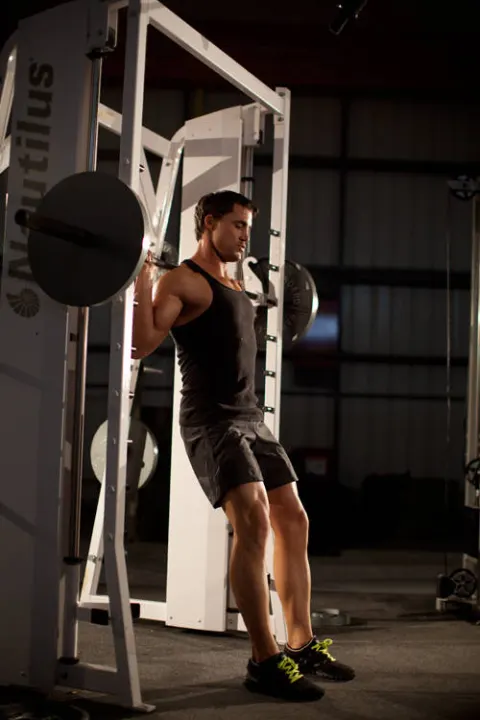
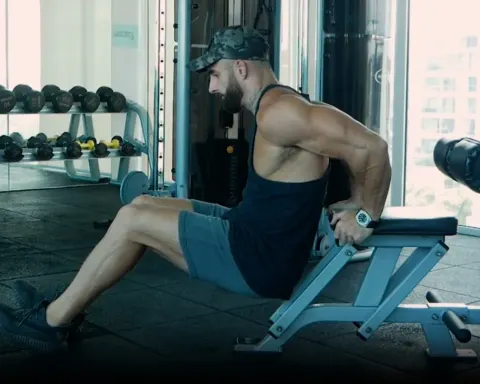
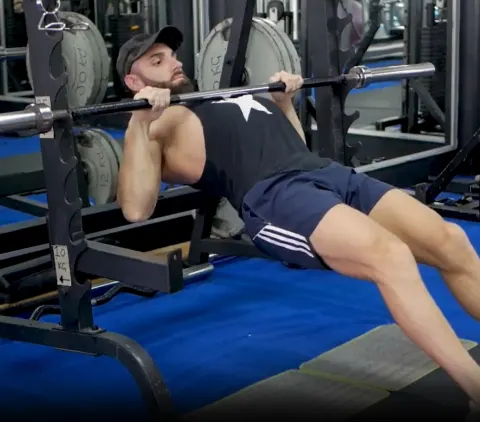
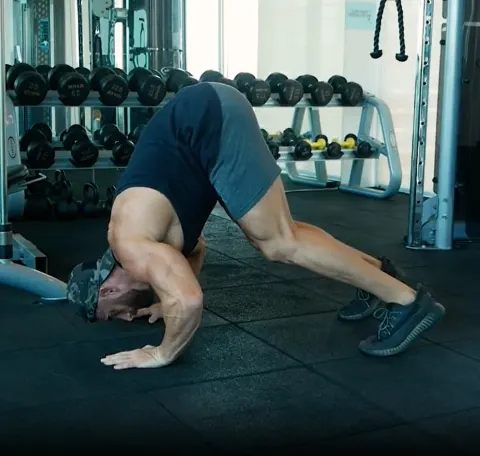

- 2-Day Bodyweight Workout Plan for Weight Loss (Women)
- 2-Day Bodyweight Workout Plan for Weight Loss (Men)
- 2-Day Bodyweight Workout Plan for Weight Loss (Over 50)
- 2-Day Dumbbell Workout Plan for Weight Loss
- 2-Day Dumbbell Workout Plan for Weight Loss (Beginners)
- 2-Day Dumbbell Workout Plan for Weight Loss (Women)
- 2-Day Dumbbell Workout Plan for Weight Loss (Men)
- 2-Day Dumbbell Workout Plan for Weight Loss (Over 50)
- 2-Day Gym Workout Plan for Weight Loss
- 2-Day Gym Workout Plan for Weight Loss (Beginners)
- 2-Day Gym Workout Plan for Weight Loss (Women)
- 2-Day Gym Workout Plan for Weight Loss (Men)
- 2-Day Gym Workout Plan for Weight Loss (Over 50)
- 2-Day Kettlebell Workout Plan for Weight Loss
- 2-Day Kettlebell Workout Plan for Weight Loss (Beginners)
- 2-Day Kettlebell Workout Plan for Weight Loss (Women)
- 2-Day Kettlebell Workout Plan for Weight Loss (Men)
- 2-Day Kettlebell Workout Plan for Weight Loss (Over 50)
- 2-Day Resistance Band Workout Plan for Weight Loss
- 2-Day Resistance Band Workout Plan for Weight Loss (Beginners)
- 2-Day Resistance Band Workout Plan for Weight Loss (Women)
- 2-Day Resistance Band Workout Plan for Weight Loss (Men)
- 2-Day Resistance Band Workout Plan for Weight Loss (Over 50)
- 2-Day Calisthenics Workout Plan for Weight Loss
- 2-Day Calisthenics Workout Plan for Weight Loss (Beginners)
- 2-Day Calisthenics Workout Plan for Weight Loss (Men)
- 3-Day Bodyweight Workout Plan for Weight Loss (Women)
- 3-Day Bodyweight Workout Plan for Weight Loss (Men)
- 3-Day Bodyweight Workout Plan for Weight Loss (Over 50)
- 3-Day Dumbbell Workout Plan for Weight Loss
- 3-Day Dumbbell Workout Plan for Weight Loss (Beginners)
- 3-Day Dumbbell Workout Plan for Weight Loss (Women)
- 3-Day Dumbbell Workout Plan for Weight Loss (Men)
- 3-Day Dumbbell Workout Plan for Weight Loss (Over 50)
- 3-Day Gym Workout Plan for Weight Loss
- 3-Day Gym Workout Plan for Weight Loss (Beginners)
- 3-Day Gym Workout Plan for Weight Loss (Women)
- 3-Day Gym Workout Plan for Weight Loss (Men)
- 3-Day Gym Workout Plan for Weight Loss (Over 50)
- 3-Day Kettlebell Workout Plan for Weight Loss
- 3-Day Kettlebell Workout Plan for Weight Loss (Beginners)
- 3-Day Kettlebell Workout Plan for Weight Loss (Women)
- 3-Day Kettlebell Workout Plan for Weight Loss (Men)
- 3-Day Kettlebell Workout Plan for Weight Loss (Over 50)
- 3-Day Resistance Band Workout Plan for Weight Loss
- 3-Day Resistance Band Workout Plan for Weight Loss (Beginners)
- 3-Day Resistance Band Workout Plan for Weight Loss (Women)
- 3-Day Resistance Band Workout Plan for Weight Loss (Men)
- 3-Day Resistance Band Workout Plan for Weight Loss (Over 50)
- 3-Day Calisthenics Workout Plan for Weight Loss
- 3-Day Calisthenics Workout Plan for Weight Loss (Beginners)
- 3-Day Calisthenics Workout Plan for Weight Loss (Men)
- 4-Day Bodyweight Workout Plan for Weight Loss (Women)
- 4-Day Bodyweight Workout Plan for Weight Loss (Men)
- 4-Day Bodyweight Workout Plan for Weight Loss (Over 50)
- 4-Day Dumbbell Workout Plan for Weight Loss
- 4-Day Dumbbell Workout Plan for Weight Loss (Beginners)
- 4-Day Dumbbell Workout Plan for Weight Loss (Women)
- 4-Day Dumbbell Workout Plan for Weight Loss (Men)
- 4-Day Dumbbell Workout Plan for Weight Loss (Over 50)
- 4-Day Gym Workout Plan for Weight Loss
- 4-Day Gym Workout Plan for Weight Loss (Beginners)
- 4-Day Gym Workout Plan for Weight Loss (Women)
- 4-Day Gym Workout Plan for Weight Loss (Men)
- 4-Day Gym Workout Plan for Weight Loss (Over 50)
- 4-Day Kettlebell Workout Plan for Weight Loss
- 4-Day Kettlebell Workout Plan for Weight Loss (Beginners)
- 4-Day Kettlebell Workout Plan for Weight Loss (Women)
- 4-Day Kettlebell Workout Plan for Weight Loss (Men)
- 4-Day Kettlebell Workout Plan for Weight Loss (Over 50)
- 4-Day Resistance Band Workout Plan for Weight Loss
- 4-Day Resistance Band Workout Plan for Weight Loss (Beginners)
- 4-Day Resistance Band Workout Plan for Weight Loss (Women)
- 4-Day Resistance Band Workout Plan for Weight Loss (Men)
- 4-Day Resistance Band Workout Plan for Weight Loss (Over 50)
- 4-Day Calisthenics Workout Plan for Weight Loss
- 4-Day Calisthenics Workout Plan for Weight Loss (Beginners)
- 4-Day Calisthenics Workout Plan for Weight Loss (Men)
- 5-Day Bodyweight Workout Plan for Weight Loss (Men)
- 5-Day Dumbbell Workout Plan for Weight Loss
- 5-Day Dumbbell Workout Plan for Weight Loss (Women)
- 5-Day Dumbbell Workout Plan for Weight Loss (Men)
- 5-Day Gym Workout Plan for Weight Loss
- 5-Day Gym Workout Plan for Weight Loss (Women)
- 5-Day Gym Workout Plan for Weight Loss (Men)
- 5-Day Kettlebell Workout Plan for Weight Loss
- 5-Day Kettlebell Workout Plan for Weight Loss (Women)
- 5-Day Kettlebell Workout Plan for Weight Loss (Men)
- 5-Day Calisthenics Workout Plan for Weight Loss
- 5-Day Calisthenics Workout Plan for Weight Loss (Men)
- 6-Day Bodyweight Workout Plan for Weight Loss (Women)
- 6-Day Bodyweight Workout Plan for Weight Loss (Men)
- 6-Day Dumbbell Workout Plan for Weight Loss
- 6-Day Dumbbell Workout Plan for Weight Loss (Women)
- 6-Day Dumbbell Workout Plan for Weight Loss (Men)
- 6-Day Gym Workout Plan for Weight Loss
- 6-Day Gym Workout Plan for Weight Loss (Women)
- 6-Day Gym Workout Plan for Weight Loss (Men)
Related programs
Frequently asked questions
How many days a week should I work out to lose weight?
Three strength sessions a week is the default and enough for most people. Two will hold your muscle if time is tight, and four lets each workout be shorter. Beyond four, recovery suffers when calories are low. On every day, training or not, aim for 8,000 to 10,000 steps.
Can I lose weight by lifting weights without doing cardio?
Yes, provided you eat 300 to 500 kcal below maintenance. The deficit removes the fat and lifting keeps your muscle. Formal cardio is optional. Daily walking is worth keeping though, because 8,000 to 10,000 steps add up to roughly 1,750 to 2,800 kcal a week without tiring you for the next session.
How much weight can I lose in 12 weeks?
At a sustainable 0.3 to 0.5 kg a week, expect about 4 to 6 kg in 12 weeks, plus a kilo or two of water in the first week. Losing faster than 1 kg a week for long usually costs muscle and strength, so the slower pace gives the better-looking result.
Should I do high reps with light weights to burn fat?
No. Rep count has almost no effect on fat loss, and very light sets give muscle little reason to stay. Use weights that make 8 to 15 reps challenging, finish each set with 2 or 3 reps in reserve, and let the calorie deficit and your step count handle the fat.
Why is my weight not going down even though I exercise?
A 45-minute strength workout burns only 200 to 350 kcal, which a snack replaces. If your weekly average weight has not moved for three weeks, the deficit is missing. Track food carefully for seven days, confirm your steps, then remove 150 to 200 kcal or add 2,000 steps a day.