Exercise comparison
Single-Leg Calf Raise vs Standing Calf Raise
Both train the legs (isolation) pattern and hit the calves, so either can fill the same slot in a plan.
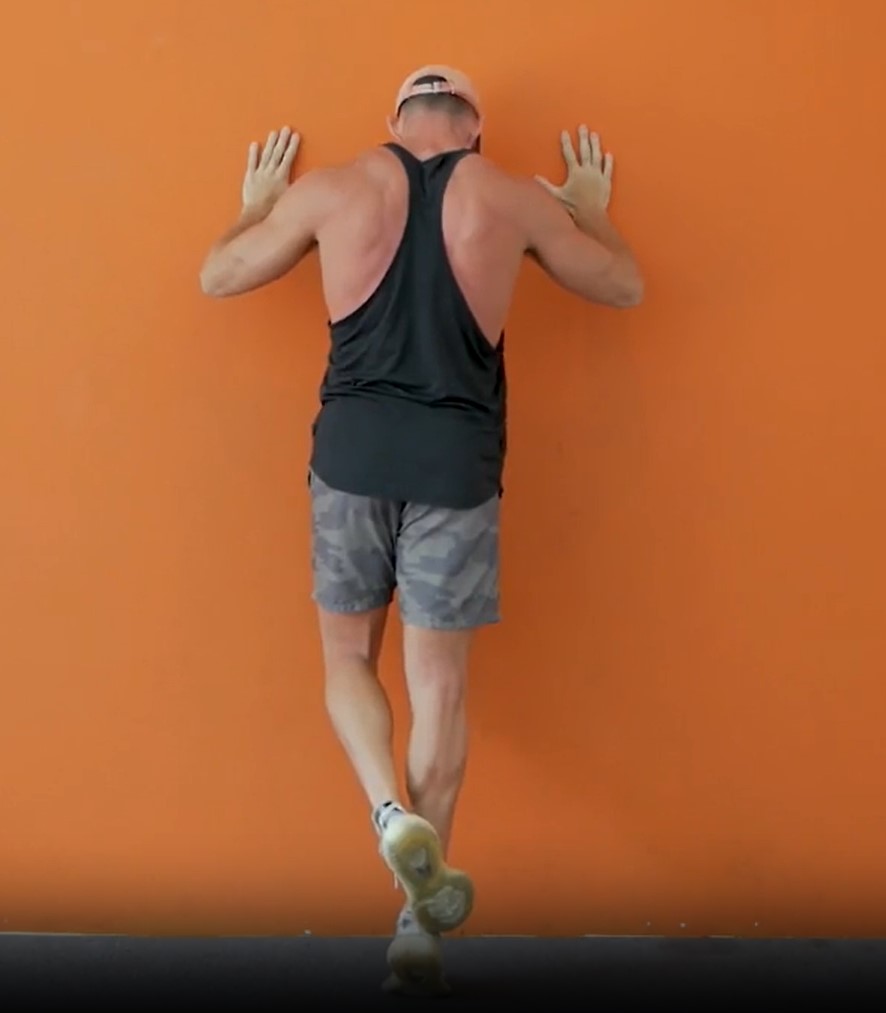 video
Single-Leg Calf Raise
Primary: Calves
Choose the Single-Leg Calf Raise if…
- you have the basics down and want the harder progression
- you want to fix a left-right imbalance or train balance
- you also want work for Core
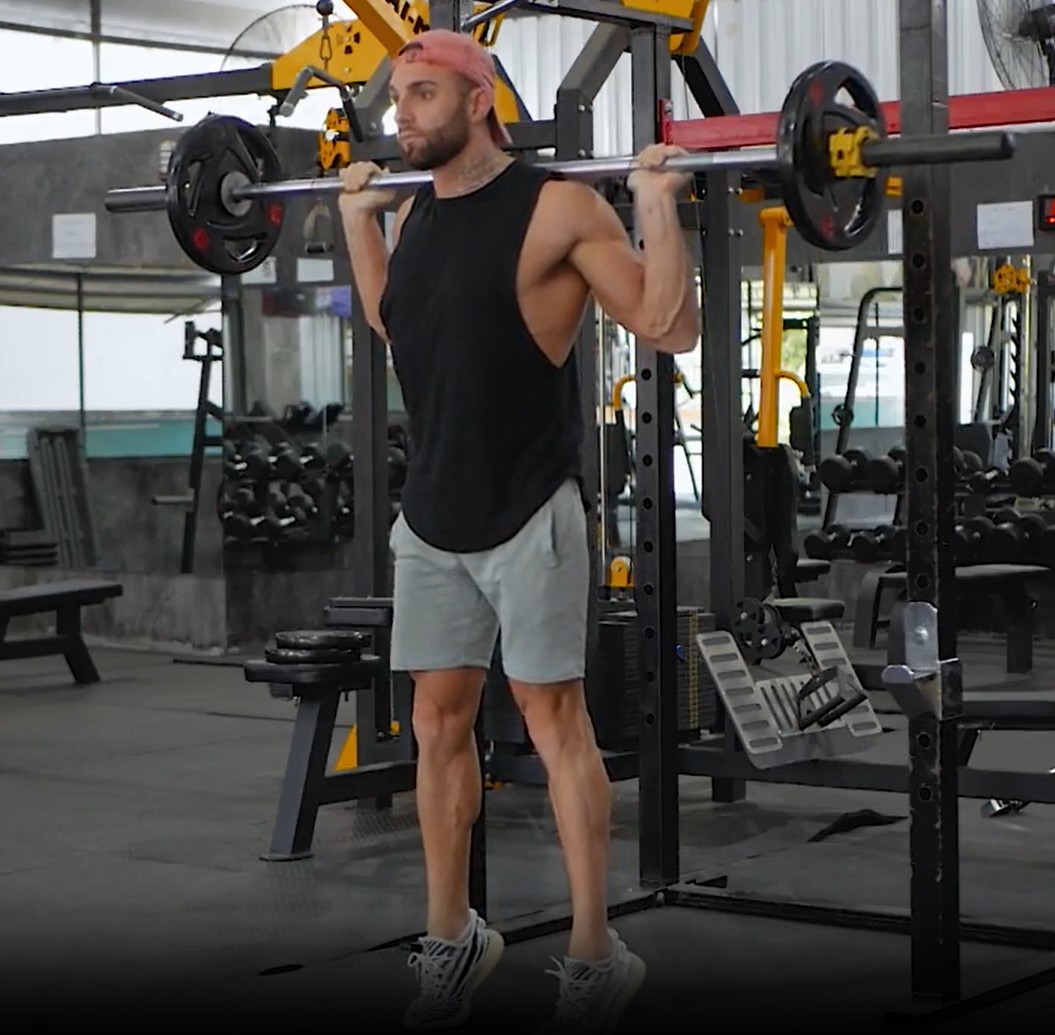 video
Standing Calf Raise
Primary: Calves
Choose the Standing Calf Raise if…
- you are newer to training: it is the easier movement to learn
- you want to move the most total weight in the least time
Side by side
| Single-Leg Calf Raise | Standing Calf Raise | |
|---|---|---|
| Primary muscles | Calves | Calves |
| Also works | Core | — |
| Equipment | Bodyweight | Bodyweight |
| Movement pattern | Legs (isolation) | Legs (isolation) |
| Difficulty | Intermediate | Beginner |
| Compound | No | No |
| Unilateral | Yes | No |
| Typical reps | 10–20 | 12–20 |
| Impact | Low | Low |
| Knee stress | Low | Low |
| Spine load | Low | Low |
| Home-friendly | Yes | Yes |
| Demo video | Yes | Yes |
Highlighted rows differ between the two exercises.
Muscles worked: Single-Leg Calf Raise
Muscles worked: Standing Calf Raise
Put either one in a plan
The generator picks the version that fits your equipment and swaps it for the alternative when the slot repeats. Sets, reps, rest and an 8-week progression included.
More comparisons
Frequently asked questions
Is the Single-Leg Calf Raise or the Standing Calf Raise better for calves?
Both train the legs (isolation) pattern and hit the calves, so either can fill the same slot in a plan. Pick the Single-Leg Calf Raise if you have the basics down and want the harder progression.
Can I do both the Single-Leg Calf Raise and the Standing Calf Raise in one workout?
You can, but they overlap heavily. Better: one as the main lift, and spend the second slot on a different pattern or muscle, or alternate them between training blocks.
Which is safer for beginners?
The Standing Calf Raise is the easier one to learn (beginner); progress to the other once it feels routine.