Seated Calf Raise Alternatives
No machine, a busy gym or a joint that complains? A good substitute for the Seated Calf Raise keeps the same movement and loads the same muscles (calves). These are the closest options from our library, each with a demo.
Seated Calf Raise alternatives: at home or with minimal equipment
-
Standing Calf Raise closest match
Bodyweight · Beginner
Same movement (legs (isolation)) and the same main muscle: calves.
works at home -
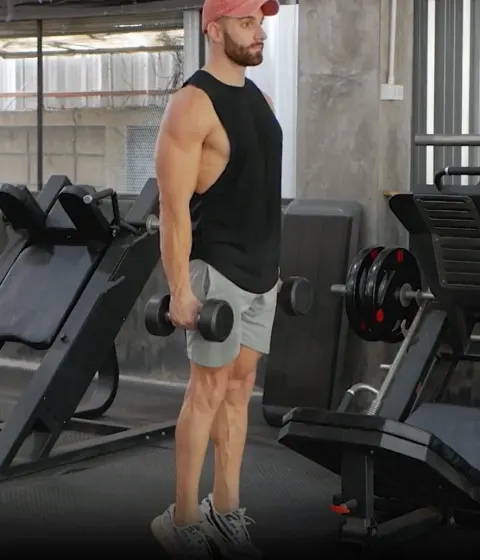
Dumbbell Calf Raise closest match
Dumbbell · Beginner
Same movement (legs (isolation)) and the same main muscle: calves.
works at home -
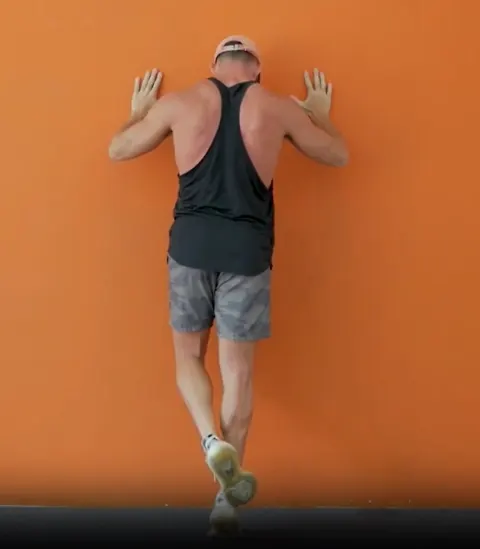
Single-Leg Calf Raise closest match
Bodyweight · Intermediate
Same movement (legs (isolation)) and the same main muscle: calves.
harder progressionone side at a timeworks at home -
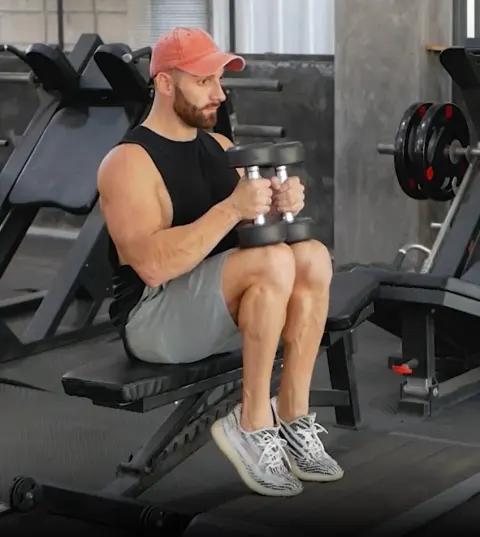
Seated Dumbbell Calf Raises closest match
Dumbbell · Beginner
Same movement (legs (isolation)) and the same main muscle: calves.
works at home -
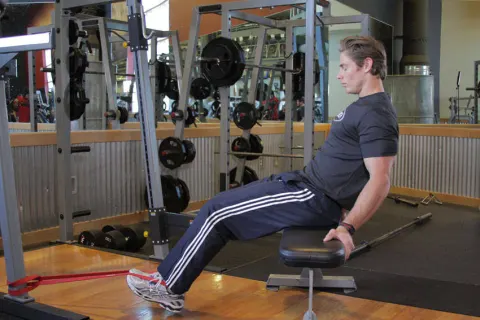
Resistance Band · Beginner
Same movement (legs (isolation)); the emphasis moves to hamstrings.
works at home -
Bodyweight · Beginner
Same movement (legs (isolation)); the emphasis moves to hamstrings.
works at home
Seated Calf Raise alternatives: in the gym
-
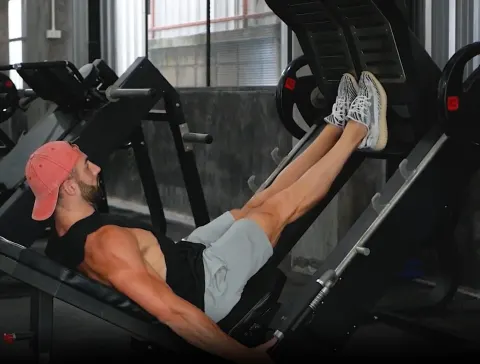
Calf Press On The Leg Press Machine closest match
Machine · Beginner
Same movement (legs (isolation)) and the same main muscle: calves.
-
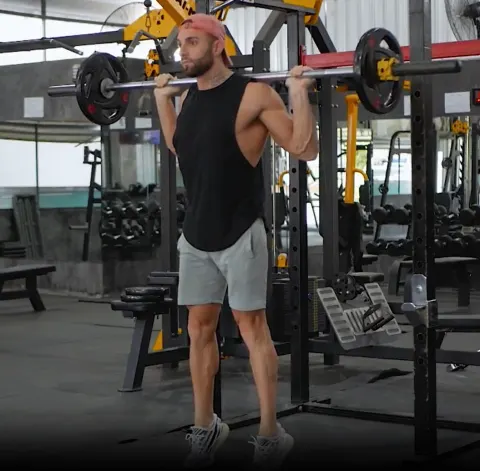
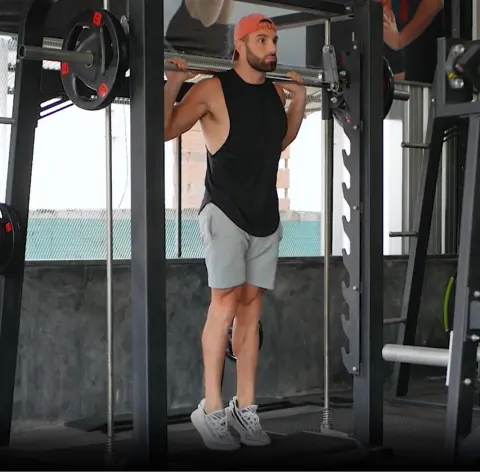
Smith Machine Reverse Calf Raises closest match
Machine · Intermediate
Same movement (legs (isolation)) and the same main muscle: calves.
harder progression -
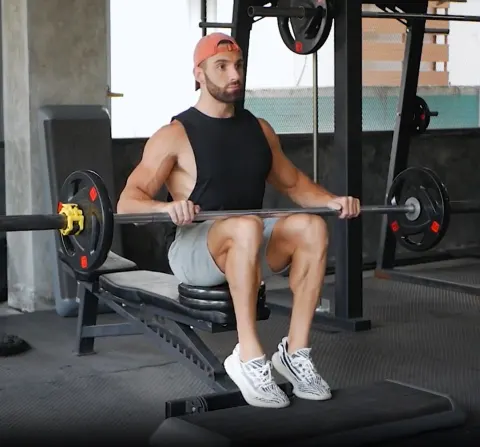
Barbell Seated Calf Raise closest match
Barbell · Intermediate
Same movement (legs (isolation)) and the same main muscle: calves.
harder progression -
Machine · Beginner
Same movement (legs (isolation)); the emphasis moves to hamstrings.
-
Machine · Beginner
Same movement (legs (isolation)); the emphasis moves to hamstrings.
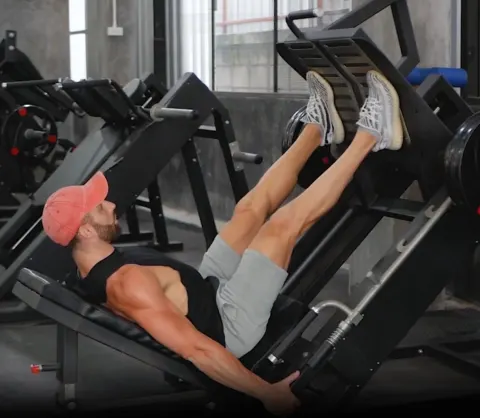
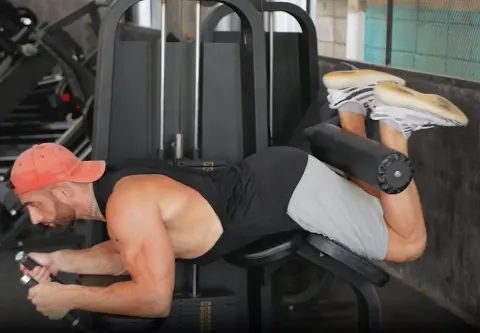
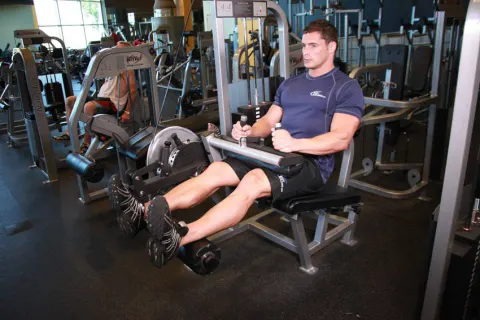
All Seated Calf Raise substitutes at a glance
| Exercise | Equipment | Difficulty | Main muscles | Home-friendly |
|---|---|---|---|---|
| Seated Calf Raise | Machine | Beginner | Calves | No |
| Standing Calf Raise | Bodyweight | Beginner | Calves | Yes |
| Dumbbell Calf Raise | Dumbbell | Beginner | Calves | Yes |
| Single-Leg Calf Raise | Bodyweight | Intermediate | Calves | Yes |
| Seated Dumbbell Calf Raises | Dumbbell | Beginner | Calves | Yes |
| Banded Hamstring Curl | Resistance Band | Beginner | Hamstrings | Yes |
| Sliding Leg Curl | Bodyweight | Beginner | Hamstrings, Glutes | Yes |
| Calf Press On The Leg Press Machine | Machine | Beginner | Calves | No |
| Smith Machine Reverse Calf Raises | Machine | Intermediate | Calves | No |
| Barbell Seated Calf Raise | Barbell | Intermediate | Calves | No |
| Leg Press | Machine | Beginner | Quads, Glutes | No |
| Lying Leg Curl | Machine | Beginner | Hamstrings | No |
| Seated Leg Curl | Machine | Beginner | Hamstrings | No |
How to swap an exercise without losing progress
- Keep the slot: same place in the session, same sets, same rep range, same effort (1–3 reps left in the tank).
- Find the load in the first session: start light, add weight each set until the last reps slow down.
- Stay with the substitute for at least 4–6 weeks; switching every session makes progress impossible to track.
- Bodyweight swaps get harder with slower lowering, pauses and one-sided versions rather than more weight.
Frequently asked questions
What can I do instead of the Seated Calf Raise at home?
The closest home options are Standing Calf Raise, Dumbbell Calf Raise, Single-Leg Calf Raise. They train the same muscles (calves) with the same movement, so keep the sets and reps from your plan.
What is the best Seated Calf Raise alternative in the gym?
Try Calf Press On The Leg Press Machine, Smith Machine Reverse Calf Raises, Barbell Seated Calf Raise. Pick the one your gym has free and that feels good on your joints; all of them load calves through the same movement.
Do I lose progress if I swap the Seated Calf Raise for another exercise?
No. Muscles respond to tension and effort, not to a specific machine or bar. Keep the same sets, reps and effort, and expect one or two sessions to find the right load on the new exercise.
How do I choose between the alternatives?
Start with what you have access to, then prefer the option marked as the closest match. If a movement bothers a joint, take one with the note about less knee stress or less load on the spine.