How to Get Bigger Arms: Build Bigger Biceps and Triceps
How to get bigger arms: weekly sets for biceps and triceps, the best exercises for each head, a sample arm day and the usual reasons arms lag behind.
To get bigger arms, give your biceps and triceps 6 to 10 direct hard sets each per week on top of your rows and presses, spread over two or three sessions, and add reps or weight over time. Eat enough to gain slowly, because arms rarely grow on a body that is not growing. The triceps are the larger share of the upper arm, so they deserve at least as much work as the biceps.
Arm anatomy in two sentences
The biceps on the front of the arm bends the elbow and turns the palm up, and the brachialis underneath it adds thickness. The triceps on the back has three heads that straighten the elbow, and its long head also crosses the shoulder, which is why overhead work trains it best.
That is all the anatomy you need. It leads to two practical rules: curl with more than one grip, and include at least one triceps exercise with the arms overhead.
How many sets per week
Arms get a lot of indirect work. Every row and pull-up trains the biceps, and every press trains the triceps. Direct sets are added on top.
| Level | Direct biceps sets | Direct triceps sets | Sessions per week |
|---|---|---|---|
| Beginner, first year | 4–6 | 4–6 | 2 |
| Intermediate, 1–3 years | 6–10 | 6–10 | 2–3 |
| Advanced, arms as a priority | 10–14 | 10–14 | 3 |
Counting compound lifts as half a set each, these figures put most people inside the 10–20 weekly sets where growth is most reliable. The full counting method is explained in the weekly sets guide.
Use 8–15 reps for most arm work. Elbows tolerate moderate loads better than very heavy ones, and sets in this range are easy to take close to failure safely.
Best biceps exercises
Pick two or three and keep them for at least eight weeks.
- Barbell curl. The simplest way to load both arms heavily. Use an EZ bar if a straight bar bothers your wrists.
- Incline dumbbell curl. Lying back on an incline bench puts the biceps under tension in a stretched position, which is a strong growth stimulus.
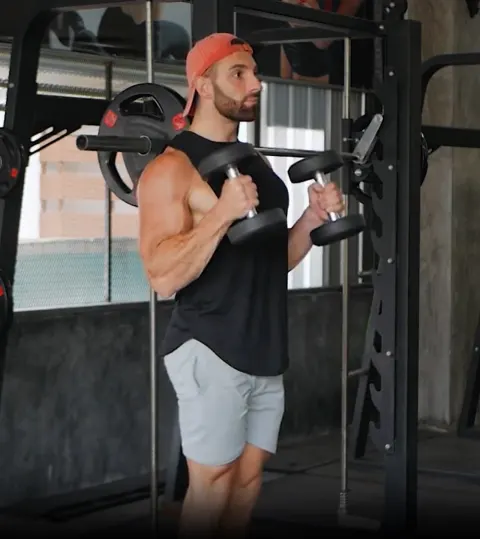
- Hammer curl. The neutral grip shifts work to the brachialis and the forearm, adding thickness to the outside of the arm.
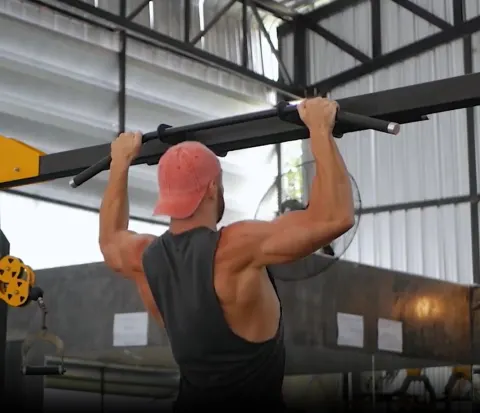
- Chin-up. A palms-towards-you pull-up is a back exercise that also loads the biceps hard. Count it as your heavy biceps work.
- Preacher or concentration curl. Supports the upper arm so you cannot swing. Good as a last exercise for 12–15 reps.
Best triceps exercises
- Close-grip bench press. The heaviest triceps movement. Hands about shoulder-width apart, elbows fairly close to the body.
- Dips. A bodyweight alternative with a long range of motion. Skip them if they irritate your shoulders.
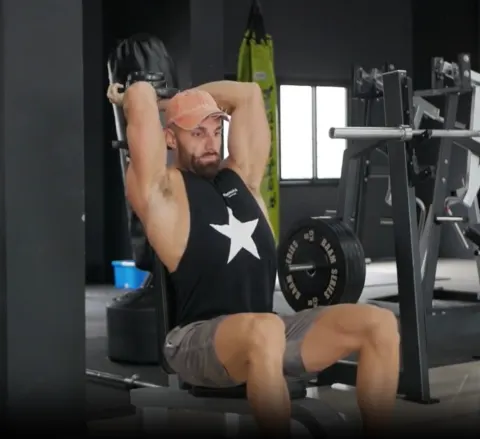
- Overhead triceps extension. Trains the long head in a stretched position, with a dumbbell, a cable or a band. If you only add one triceps exercise, make it this one.
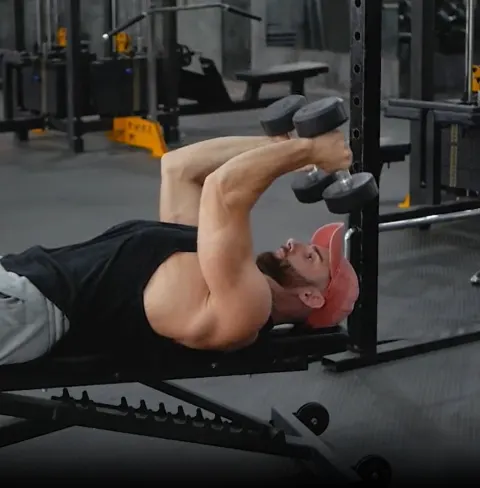
- Skull crusher. A lying extension with an EZ bar or dumbbells. Lower the weight behind the head, not to the forehead, for more stretch and less elbow stress.
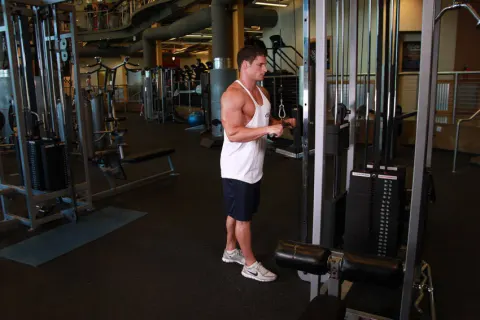
- Triceps pushdown. Easy on the elbows and simple to take to failure. Ideal as a finishing exercise.
A sample arm day
This session works as a day of its own, or you can split it in half and add each part to the end of two upper-body workouts.
| Exercise | Sets × reps | Rest |
|---|---|---|
| Close-grip bench press | 3 × 6–10 | 2 minutes |
| Barbell curl | 3 × 8–12 | 90 seconds |
| Overhead triceps extension | 3 × 10–15 | 60–90 seconds |
| Incline dumbbell curl | 3 × 10–15 | 60–90 seconds |
| Triceps pushdown | 2 × 12–15 | 60 seconds |
| Hammer curl | 2 × 12–15 | 60 seconds |
That is eight sets for each side of the arm in about 40 minutes. To save time, alternate each triceps exercise with the curl that follows it and rest 45–60 seconds between them.
Prefer a ready-made session? The arm workout with dumbbells covers both muscles at home. For extra work on one side, there is a biceps workout with dumbbells and a triceps workout with dumbbells. Beginners who want a daily habit can start with the 30-day arm challenge.
Technique that makes arm sets count
Arm exercises look simple, which is why they are so often done badly.
- Keep the upper arm still. In a curl, the elbow stays by your side. In a pushdown, it stays pinned. If the shoulder swings, other muscles are doing the work.
- Use the full range. Straighten the arm at the bottom of a curl and bend it fully in a triceps extension. Half reps with heavy weights build less than full reps with moderate ones.
- Control the way down. Take two to three seconds to lower the weight. The lowering phase is half of the stimulus.
- Finish close to failure. End most sets with one or two reps in reserve, and take the final set of the last exercise all the way.
- Progress in small steps. Arm lifts move slowly. Add a rep before you add weight, and use the smallest plates or dumbbell jumps available.
Why arms lag behind
When arms refuse to grow, the cause is usually on this list.
- The whole body is not growing. Arms are a small part of total muscle mass and follow the rest. If your weight has been the same for a year, an extra curl will not change much. A small calorie surplus, as described in the bulking workout plan, often does.
- Too little heavy compound work. Rows, chin-ups, bench and overhead presses load the arms with far more weight than any curl. Direct work adds to them and does not replace them.
- Neglected triceps. Many routines contain three kinds of curl and one set of pushdowns. Match the sets.
- No progression. Curling the same dumbbells for the same reps for six months gives the muscle no reason to change.
- Arms always trained last. After a long back or chest session they get tired, low-quality sets. Put them first once a week, or give them their own short day.
- Too much, too often. Daily arm training and 25 sets a week mostly produce sore elbows. More is not the answer when recovery is the limit.
- Impatience. Upper-arm measurements change slowly. Measure once a month, in the same place and at the same time of day.
Fitting arm work into your week
- Full body, 3 days: one biceps and one triceps exercise for 2 sets each at the end of every session.
- Upper/lower, 4 days: 3–4 sets for each on both upper days.
- Push/pull/legs: triceps on push days, biceps on pull days, 4–6 sets each.
- Arm priority: add the sample arm day above as a fifth session, at least 48 hours after your heaviest upper-body day.
Whichever layout you use, write down the weights and reps. Arms respond to the same thing as every other muscle: a little more work, done well, month after month.
Ready plans for this guide
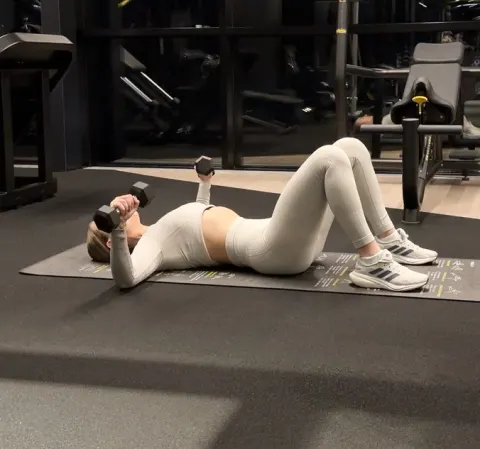
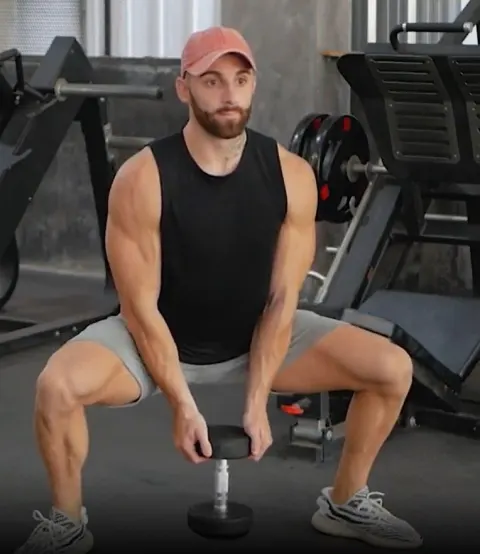
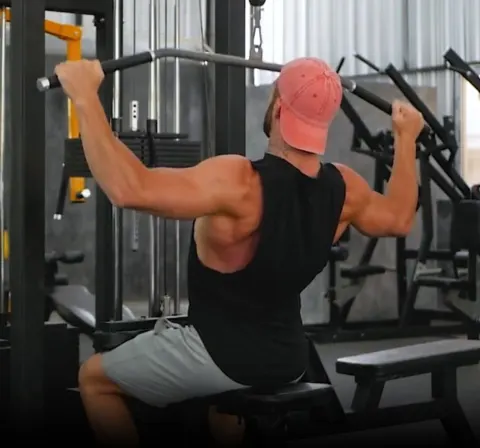
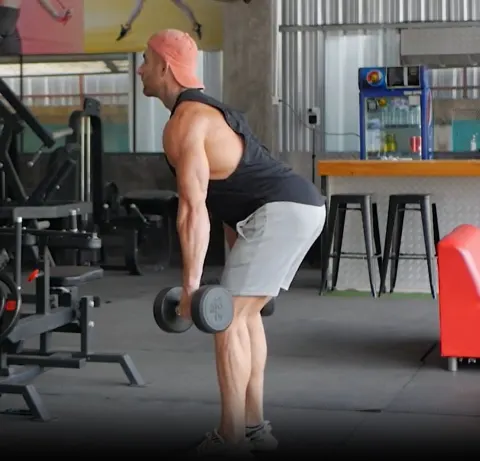
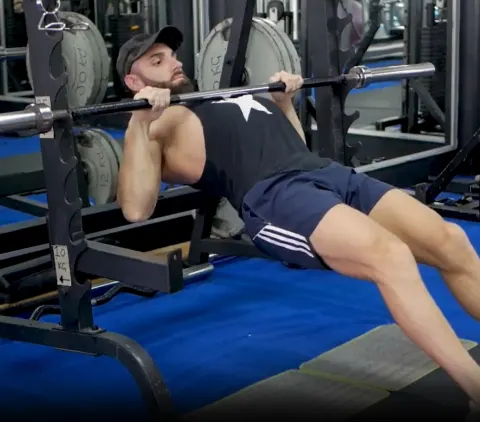
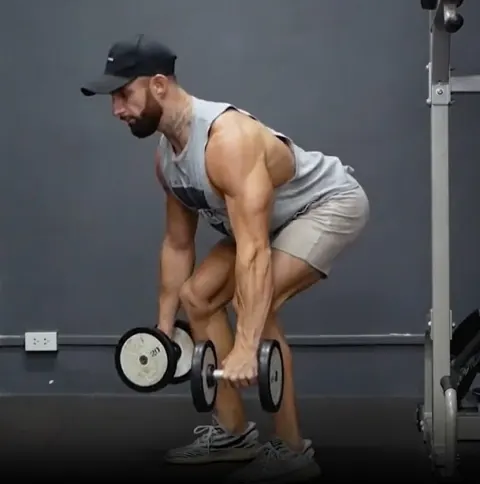
Exercises mentioned
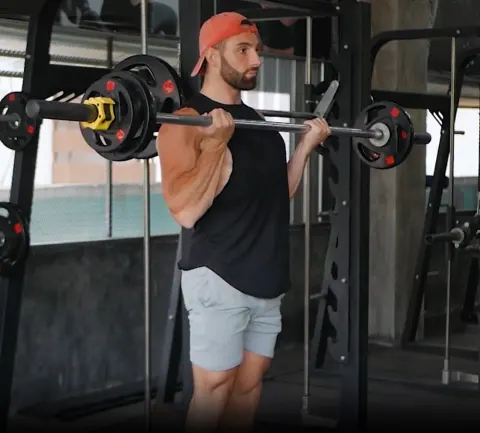 video
beginner
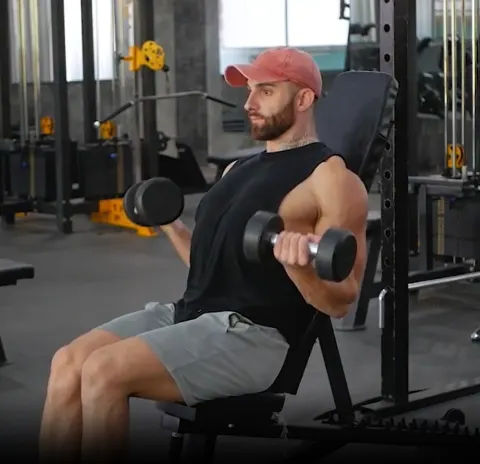 video
intermediate
 video
beginner
 video
intermediate
 beginner
 video
beginner
Frequently asked questions
How long does it take to get bigger arms?
Expect visible change in two to three months of consistent training if you are fairly new, and slower progress after that. For someone with a few years of lifting, an extra centimetre on the upper arm over several months is a good result. Arms grow at the pace of the rest of the body, so overall weight gain matters.
How many times a week should I train arms?
Two or three times a week works best. Biceps and triceps are small muscles that recover within about 48 hours, and they are already involved in every row and press. Splitting your direct arm sets over two or three sessions lets each set be performed fresh, which beats one long arm day.
Are curls enough for bigger arms?
No. Curls train the biceps, which is the smaller part of the upper arm. The triceps on the back contributes more to arm size, so presses, dips and extensions are at least as important. Heavy rows and chin-ups also add a lot of biceps work. A balanced arm program includes all of these.
Can I get bigger arms at home without weights?
To a point. Close-grip push-ups, bench dips and bodyweight triceps extensions load the triceps well, and chin-ups or rows under a table train the biceps. Progress eventually stalls without added resistance, so a pair of adjustable dumbbells or a set of bands is a worthwhile next step for long-term arm growth.
Should I train biceps and triceps on the same day?
You can, and it is efficient. They are opposing muscles, so alternating a curl with a triceps exercise lets one rest while the other works. Another common approach is triceps after chest and shoulders, and biceps after back. Both give good results as long as weekly sets and effort are equal.