How Many Sets per Muscle Group per Week to Build Muscle?
How many sets per muscle group per week: 10 to 20 hard sets for hypertrophy, a minimum effective dose of about 4, and tables by level and by muscle.
For muscle growth, most people need 10 to 20 hard sets per muscle group each week, spread over at least two sessions. Beginners progress on less, about 6 to 10, and around 4 hard sets a week is enough to maintain muscle or to gain slowly. More than 20 rarely helps and often makes recovery worse.
What counts as a set
The numbers only mean something if everyone counts the same way.
- Hard sets only. A set counts when it ends within about three reps of failure. The usual shorthand is reps in reserve: how many more you could have done.
- Warm-ups do not count. Neither do sets you stopped six reps early.
- Reps are flexible. Anything from roughly 5 to 30 reps works if the set is hard, so a set of 6 and a set of 15 each count as one.
- Compound lifts count for several muscles. Give the main muscle a full set and each helper half a set. Three sets of rows are three sets for the back and about one and a half for the biceps.
Counted like this, training volume becomes a number you can compare from one month to the next.
Weekly sets by training level
| Level | To maintain | To grow steadily | Rarely worth exceeding |
|---|---|---|---|
| Beginner, first year | 3–4 | 6–10 | 12 |
| Intermediate, 1–3 years | 4–6 | 10–16 | 20 |
| Advanced, 3+ years | 5–8 | 14–20 | 20, or a little more for one priority muscle |
The figures are hard sets per muscle per week, with half sets from compound lifts included. They describe averages from research on groups of people. Individuals vary, so treat the middle column as a place to start and let your own progress adjust it.
The minimum effective dose
Studies that compare low, medium and high weekly volumes agree on the shape of the curve. Fewer than five sets a week still builds muscle. Five to nine builds more. Ten or more builds a little more again. Every step up gives a smaller return than the one before.
Two practical conclusions follow.
First, a short program is not a wasted one. Four to six hard sets per muscle a week, taken close to failure, is enough for real progress in your first years and enough to hold your ground later. The workout plan for busy people is built on that idea.
Second, doubling your sets does not double your results. Going from 10 to 20 sets might add a modest amount of growth while doubling your time in the gym and your recovery needs. Whether that trade is worth it depends on your life, not on physiology alone.
Does every muscle need the same number?
No. Muscles that assist in big lifts collect indirect work and need fewer sets of their own.
| Muscle | Direct sets per week | Where the rest comes from |
|---|---|---|
| Chest | 8–14 | Mostly direct: presses and flies |
| Back | 10–18 | Mostly direct: rows and pulldowns |
| Quads | 8–14 | Squats, leg press, lunges |
| Hamstrings | 6–10 | Hinges such as deadlifts add more |
| Glutes | 4–10 | Squats, lunges and hinges all contribute |
| Side and rear shoulders | 6–12 | Rows help the rear part |
| Biceps | 4–10 | Every row and pull-up |
| Triceps | 4–10 | Every press |
| Calves, abs | 6–10 | Little indirect work for calves |
Front shoulders are missing on purpose. Pressing for the chest and overhead already gives them plenty.
How to spread the sets across the week
Quality drops as a session goes on. After about six to eight hard sets for one muscle, each further set is performed with less weight or fewer reps and adds more fatigue than stimulus. So weekly volume works better in two or three portions.
- 12 sets for chest: six on Monday and six on Thursday beats twelve on Monday.
- 16 sets for back: eight and eight, or six, five and five.
- 6 sets for biceps: three after each of two pulling sessions.
This is the main reason most programs train each muscle twice a week. On an upper/lower split it happens automatically, and the 4-day gym plan for muscle gain shows the layout in full.
A worked count for one week
Take a simple four-day week and tally the chest and triceps.
| Exercise | Sets × days | Chest | Triceps |
|---|---|---|---|
| Bench press | 3 × 2 | 6 | 3 |
| Incline dumbbell press | 3 × 2 | 6 | 3 |
| Overhead press | 3 × 2 | 0 | 3 |
| Triceps pushdown | 2 × 2 | 0 | 4 |
| Weekly total | 12 | 13 |
Four direct sets were enough to bring the triceps to 13, because three pressing movements had already done most of the work. Run the same tally for your own week before you decide that a muscle is undertrained.
When to add sets, and when to remove them
Start at the low end of your range. More sets are a tool to use when something stops working, not a starting position.
Add sets when:
- Reps and loads on a muscle’s exercises have not improved for three to four weeks.
- Sleep, food and effort are in order, so volume is the likely limit.
- You recover easily and are rarely sore.
Add two sets a week for that muscle, not for the whole body, and hold the new level for at least a month.
Remove sets when:
- Reps are falling from week to week.
- Joints ache and soreness lasts into the next session for the same muscle.
- You dread sessions you used to enjoy.
In that case run a deload first (the deload week guide shows how), then restart with two to four fewer sets per muscle.
Often the better move is neither. If the sets end five reps short of failure, they need more effort, not company. If the same weights have been on the bar for weeks, the answer is the method in how to progress with double progression.
Sets for strength, fat loss and maintenance
- Strength: fewer, heavier sets. Around 10–15 a week for the muscles behind your main lifts, mostly at 3–6 reps with long rests.
- Fat loss: keep the volume that built your muscle if recovery allows, or reduce it by up to a third while holding the loads. The cutting workout plan explains the reasoning.
- Gaining phase: the time to climb towards the top of your range, in steps, as the bulking workout plan describes.
- Maintenance: roughly a third of your normal volume keeps muscle, provided the weights stay the same.
The short version
Count hard sets, including halves from compound lifts. Begin with 6–10 a week per muscle if you are new and 10–14 if you are not. Split them over two sessions. Add sets only when progress stalls and recovery is good, and stop adding at about 20. For how those sets translate into hypertrophy rep ranges, continue with sets and reps explained.
Ready plans for this guide

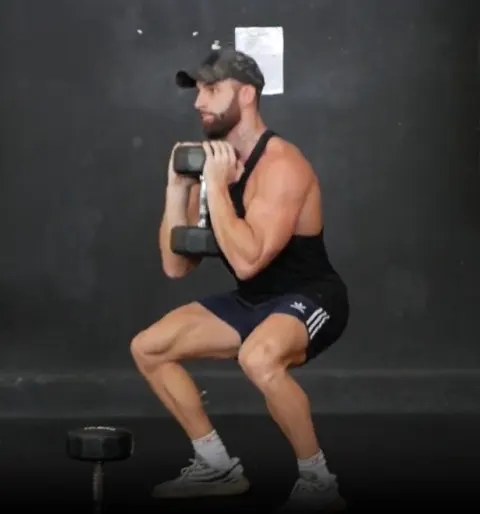
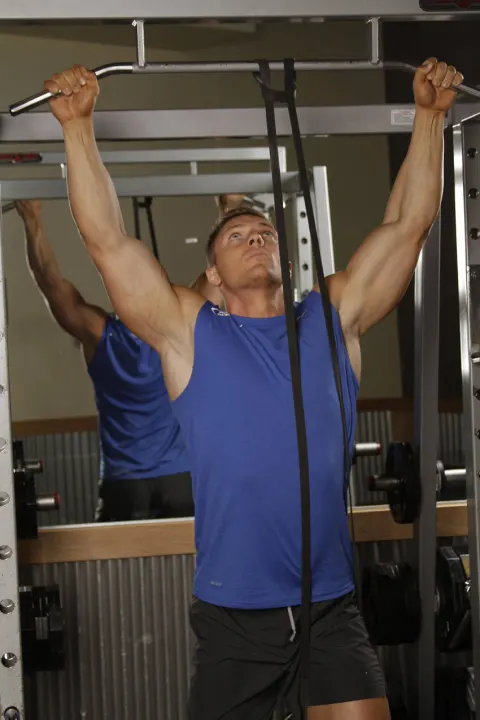

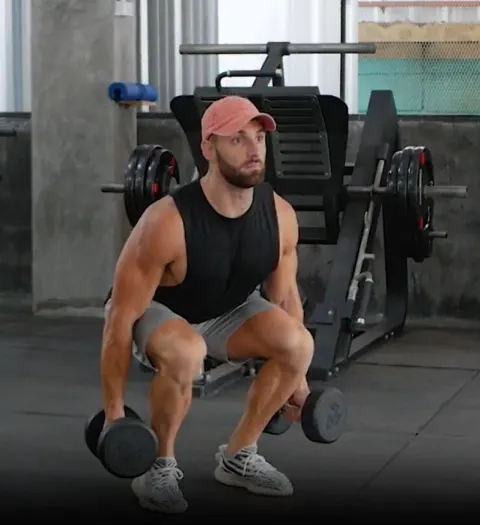
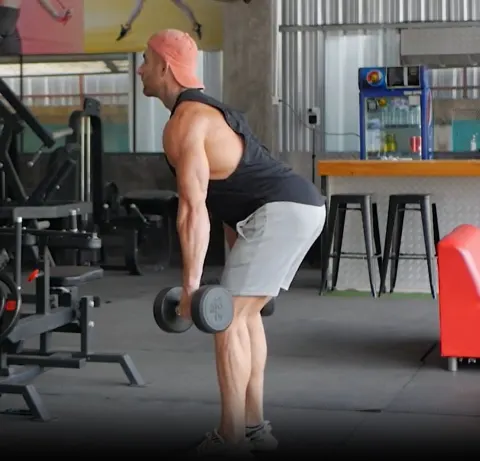
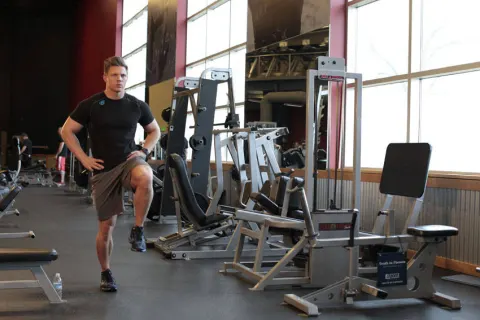
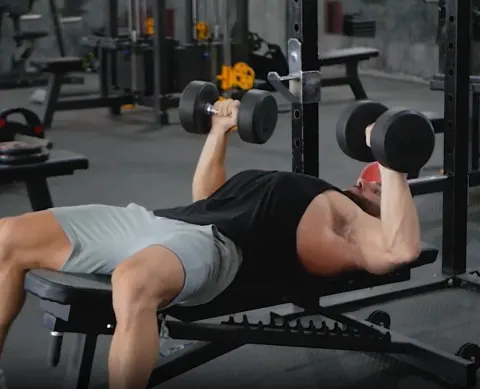
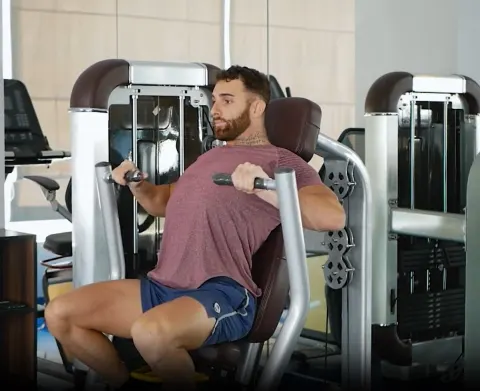
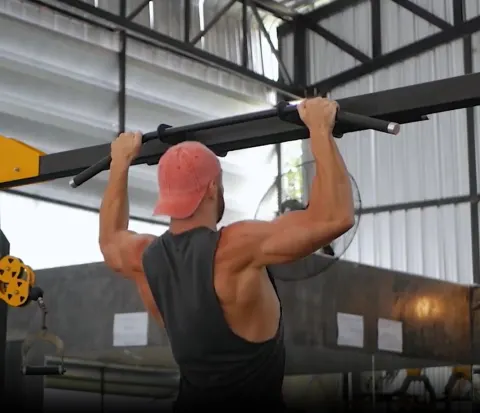
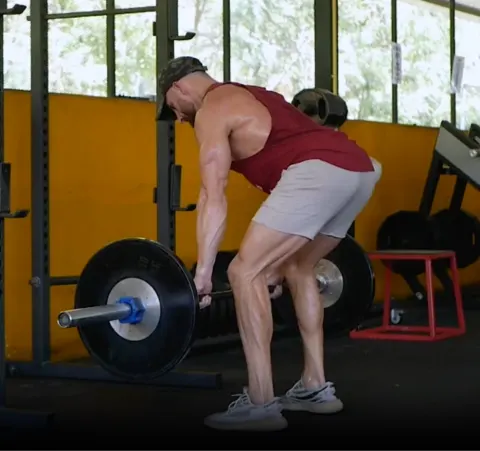
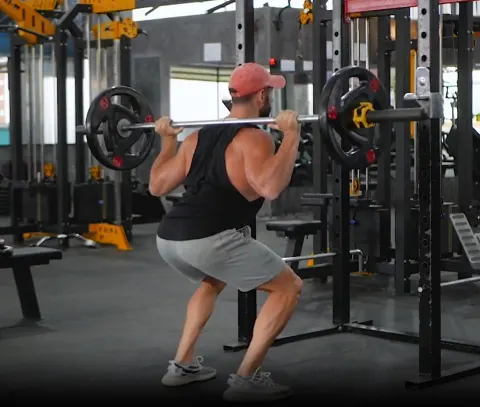
Exercises mentioned



Frequently asked questions
Is 10 sets per muscle group per week enough?
Yes, for most people. Ten hard sets a week sits at the lower edge of the range where growth is reliable, and beginners often need even fewer. If you are adding reps or weight from week to week, the volume is sufficient. Raise the set count only if progress has stalled for about a month despite good sleep and food.
Is 20 sets per muscle per week too much?
For most lifters it is an upper limit, not a target. Twenty sets can work for experienced people with good recovery, usually for one or two priority muscles at a time. Applied to every muscle at once, it makes sessions very long and recovery poor. Start nearer ten and increase only when you have a reason.
Do compound exercises count towards sets for smaller muscles?
Partly. A set of bench press is a full set for the chest and gives the triceps and front shoulders meaningful work as well. A simple way to count is one set for the main muscle and half a set for each helper. That is why arms need fewer direct sets than chest or back.
How many sets per workout for one muscle group?
Roughly four to eight hard sets per muscle in one session. Beyond that, fatigue lowers the quality of each extra set, so the additional work gives little. If your weekly target is 12 sets or more, split it across two or three sessions and do not try to finish everything on a single day.
How many sets a week do I need to maintain muscle?
Far fewer than it took to build. About a third of your usual volume, often three to six hard sets per muscle a week, holds size and strength for months as long as the weights stay heavy. This is useful during holidays, busy periods at work or a phase when another goal takes priority.