What Muscle Groups to Work Out Together: Best Combinations
What muscle groups to work out together: the best muscle group combinations for 2 to 6 training days, with a pairing table and a ready workout for each.
Train muscles together when they work in the same movements: chest with shoulders and triceps on a push day, back with biceps on a pull day, and quads, hamstrings, glutes and calves on a leg day. If you train three days a week or fewer, put everything into full-body sessions instead. The best combination is the one that lets you reach each muscle about twice a week with the days you really have.
The two ideas behind every good pairing
Every sensible combination follows one of two principles.
Group the helpers. Muscles that assist each other are trained in one session. A bench press works the chest, the front of the shoulders and the triceps at once, so finishing those three on a single day means they also rest together. Push/pull/legs, chest and triceps, and back and biceps all follow this logic.
Pair the opposites. Muscles on opposite sides of a joint do not tire each other. While the chest works, the back rests, so you can alternate them with short breaks. Chest and back, and biceps with triceps, follow this logic.
Both approaches build muscle equally well when the weekly work is the same. They differ in how the session feels and how long it takes.
Muscle group combinations at a glance
| Combination | What you train | Days a week | Who it suits |
|---|---|---|---|
| Full body | Everything, every session | 2–3 | Beginners, busy people |
| Upper / lower | Upper body one day, legs the next | 4 | Most people after the first year |
| Push / pull / legs | Chest, shoulders, triceps / back, biceps / legs | 3 or 6 | Intermediates who like focused days |
| Chest and triceps | Pressing muscles | 4–5 | Split routines built around the bench |
| Back and biceps | Pulling muscles | 4–5 | The partner to chest and triceps |
| Chest and back | Opposing upper-body muscles | 4–5 | Short on time, likes supersets |
| Shoulders and arms | Delts, biceps, triceps | 4–5 | Those whose arms or shoulders lag |
Push, pull, legs: grouping by movement
This is the cleanest way to organise a split. Everything that pushes goes on one day, everything that pulls on another, and the lower body gets its own session.
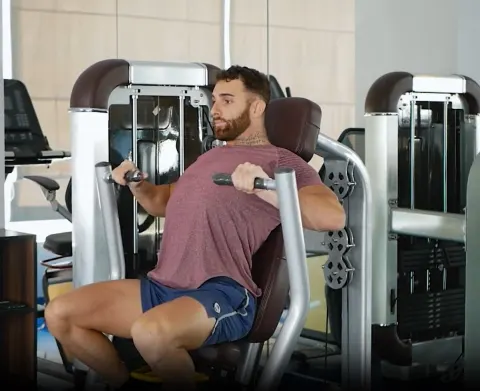
- Push: chest, shoulders, triceps. See the push day workout at the gym.
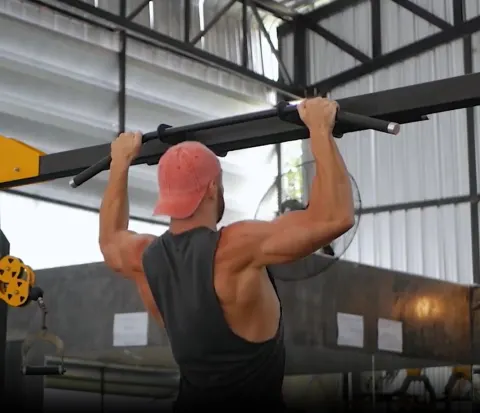
- Pull: lats, upper back, rear shoulders, biceps. See the pull day workout at the gym.
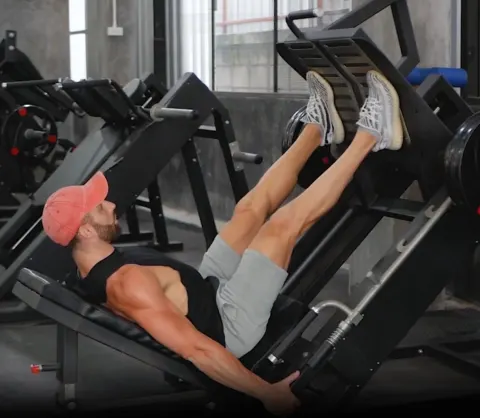
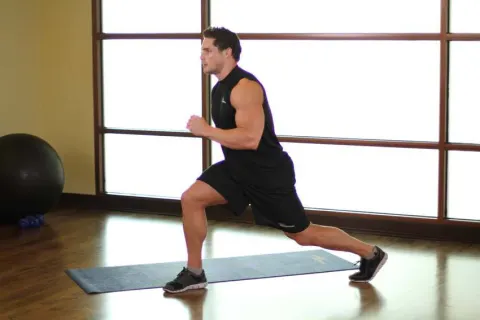
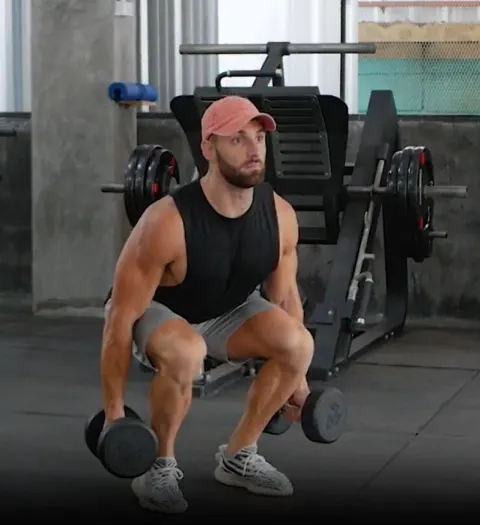
- Legs: quads, hamstrings, glutes, calves, usually with some core work. See the leg workout at the gym.
The strength of this layout is that nothing overlaps. Your triceps are not asked to press again the day after they pressed. Its weakness shows on three days a week, when each muscle is trained only once. That is fine for maintenance and slow for growth, so push/pull/legs works best as a six-day rotation or for experienced lifters who make one weekly session count. The push/pull/legs guide covers both versions.
Chest and triceps, back and biceps
These are the classic gym pairings, and they are simply push and pull days with the shoulders moved elsewhere.
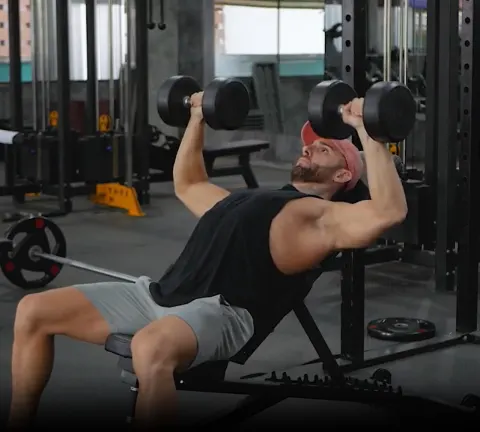
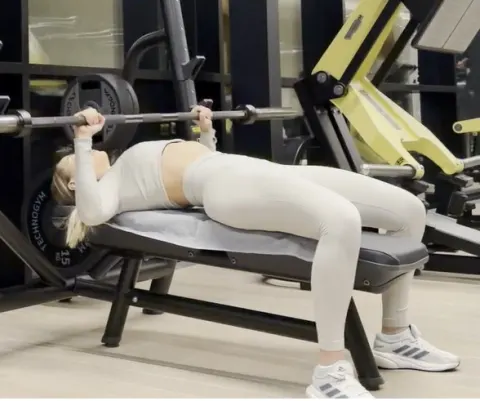
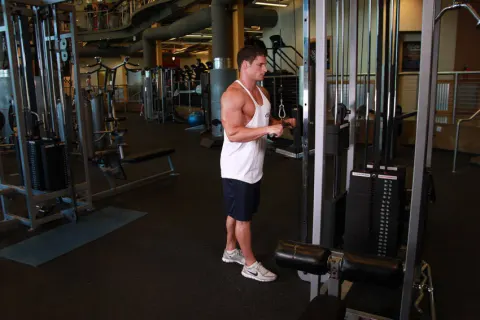
On a chest day every press already loads the triceps, so two short triceps exercises at the end are enough to finish them. The chest and triceps workout at the gym is built from the bench press, a cable fly and a mix of pushdowns and extensions.
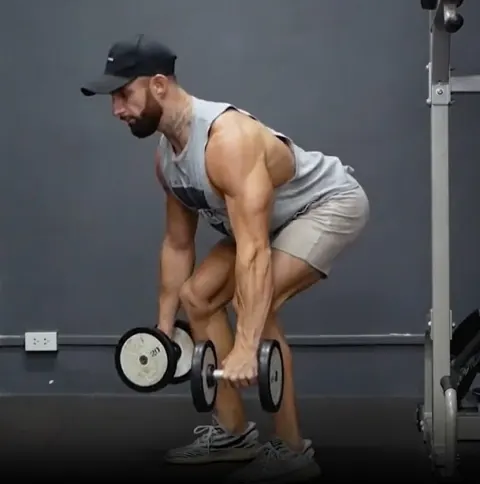
Back and biceps mirror it. Rows and pulldowns bend the elbow under load, and a couple of curls complete the job. No barbell is needed: the back and biceps workout with dumbbells covers the whole session at home.
One caution. In both pairings the small muscle is trained last, when it is already tired, so the loads on curls and extensions will be lower than on a day of their own. If your arms are a priority, read the next section.
Chest and back, shoulders and arms
This is the opposing-muscle route. A week might run chest and back, then legs, then shoulders and arms, and repeat or add a second leg day.
Chest and back together make a dense session. Alternate a press with a row, rest about a minute between them, and the workout takes roughly a third less time than doing the same sets one after another. Each muscle is fresh for its own sets. The chest and back workout at the gym lists its exercises in exactly that alternating order.
Shoulders and arms then get a day where they come first. Biceps and triceps handle heavier weights when no bench press or row has gone before, which is why many people see their arms respond to this split. The shoulder and arm workout with dumbbells needs only a pair of weights.
The price is overlap between days. Shoulders and triceps work hard on chest day and again on their own day, so leave at least 48 hours between those two sessions.
Upper/lower and full body: when days are limited
With four days, the upper/lower split is hard to beat. All upper-body muscles share two sessions, the legs get the other two, and every muscle is trained twice a week without any planning puzzle.
With two or three days, stop thinking about pairings at all. A full-body routine trains each muscle at every visit, which a body-part split cannot match on so few days. If you are unsure which side of that line you are on, full body vs split walks through the decision.
The traditional five-day bro split, with one body part a day, still has fans. It works, but each muscle waits a full week for its next session, so it suits advanced lifters better than people in their first years.
Orders that work badly
No combination is wrong in itself. Problems come from what you put on the days around it.
- Shoulders the day after chest. The front delts are still recovering from pressing.
- Biceps the day before back. Tired arms give out before the lats do on rows and pull-ups.
- Heavy lower-back work before leg day. Deadlifts on Monday make Tuesday’s squats harder to brace.
- The same muscle hard on consecutive days. Leave roughly two days before you load it heavily again.
- Abs destroyed before heavy squats. Your trunk has to hold the bar. Train the core after the big lifts or on another day.
Inside a session, put the largest muscle and the heaviest lift first, and the smallest last.
How to choose in one minute
- Count your real training days. Use the number you can keep in a bad month.
- 2–3 days: full body.
- 4 days: upper/lower, or chest and back, legs, shoulders and arms, legs.
- 5 days: push, pull, legs, upper, lower.
- 6 days: push/pull/legs twice.
- Check the result. Every muscle should appear about twice a week, and no muscle should be hit hard on two days in a row.
Then stay with the choice for at least eight weeks. Progress comes from adding reps and weight to the same exercises over time, and a combination only gets a fair test when you have repeated it often enough to see that happen.
Ready plans for this guide
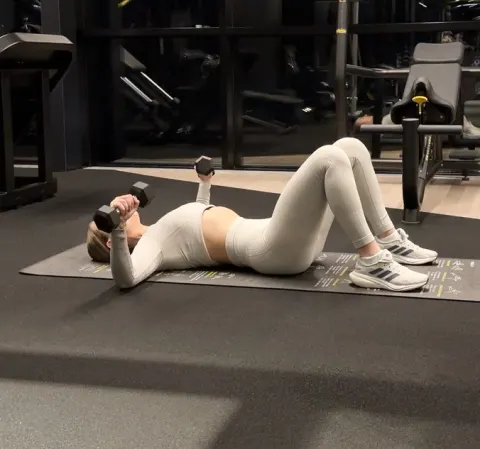
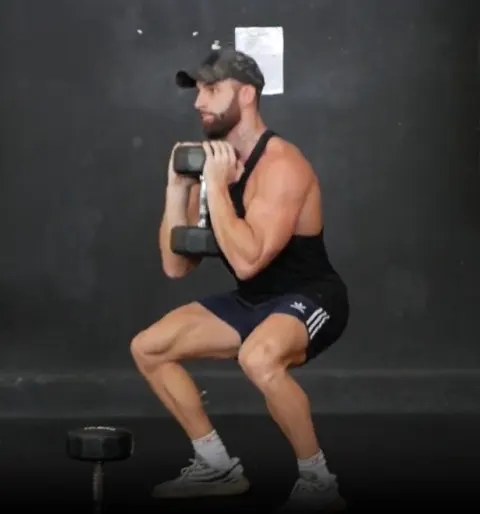
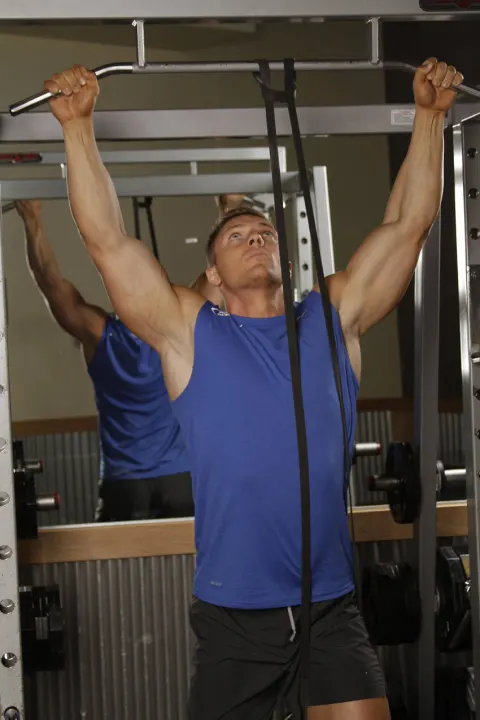
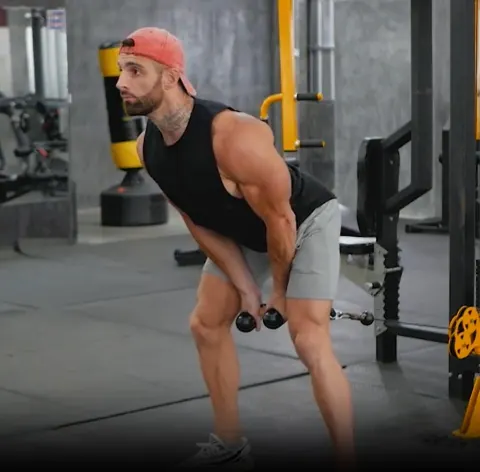
Exercises mentioned
 video
intermediate
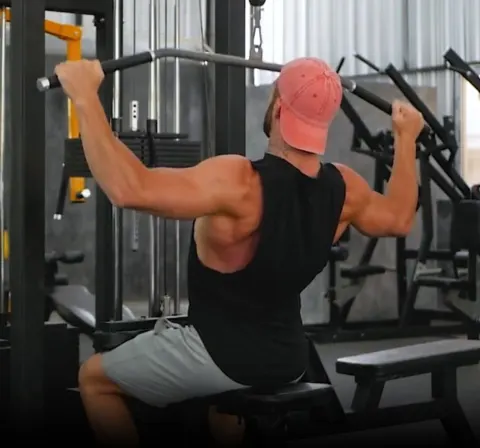 video
beginner
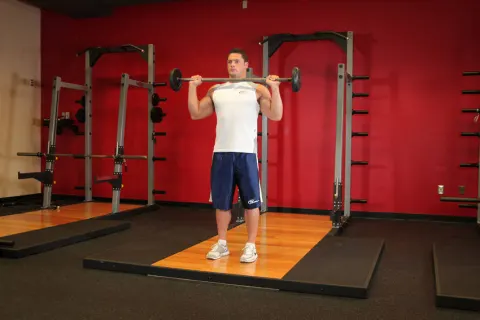 intermediate
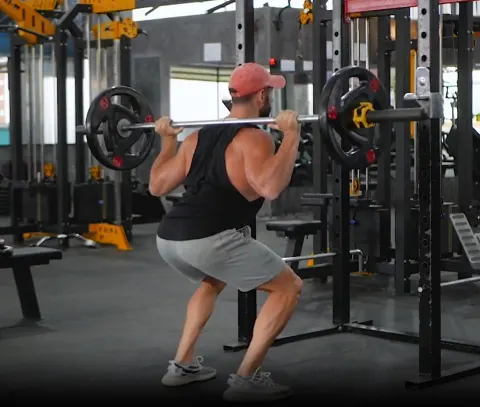 video
intermediate
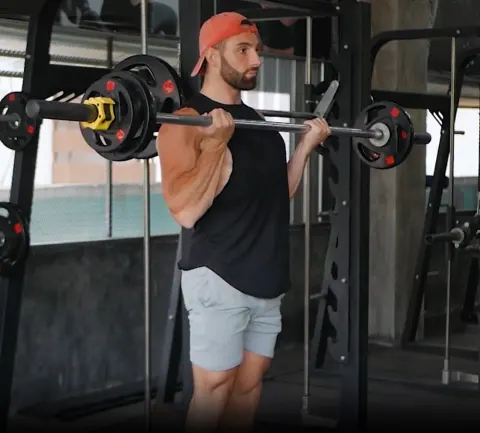 video
beginner
 beginner
Frequently asked questions
What muscle groups should I work out together as a beginner?
All of them. In your first six to twelve months, three full-body sessions a week work better than any split, because each muscle is practised three times and no session depends on the one before it. Build each workout from a squat or hinge, a press, a pull and one or two smaller exercises, then move to a split later.
Is it better to train chest with triceps or with biceps?
Both work. Chest with triceps groups muscles that already cooperate in every press, so one warm-up serves the whole session. Chest with biceps means the arms are fresh, because pressing does not tire the biceps. Choose triceps if you like simple push and pull days, and biceps if arm growth is a priority.
Can I train back and chest on the same day?
Yes, and it is a time-efficient pairing. Chest and back are opposing muscle groups, so one rests while the other works and you can alternate sets of a press and a row with short breaks. The session is demanding because both are large muscles, so keep it to five or six exercises in total.
How many muscle groups should I train per day?
Two or three large areas is a sensible limit for a split session, for example chest, shoulders and triceps, or back and biceps. A full-body session touches everything, but with only one or two exercises for each area. What matters over the week is that every muscle receives enough hard sets, not how many you fit into one day.
Which muscle groups should not be trained together?
No pairing is forbidden, but some orders work badly. Avoid heavy lower-back work the day before squats or deadlifts, shoulders the day after a hard chest session, and biceps the day before back training. In each case the smaller muscle is still tired when the bigger lift needs it, and the main exercise suffers.