DOMS (Delayed Onset Muscle Soreness)
Definition: DOMS is the muscle soreness that appears 12–72 hours after unfamiliar or hard exercise, especially exercise with a big lowering phase, and fades within a few days.
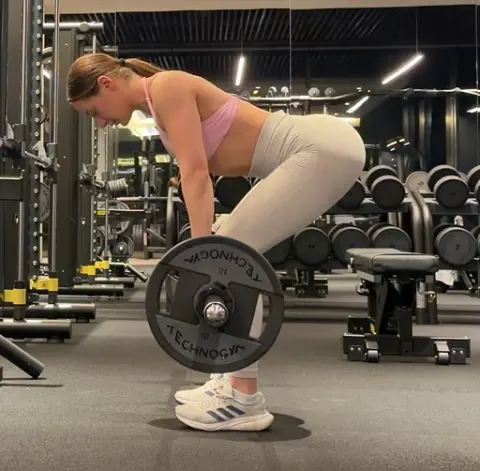
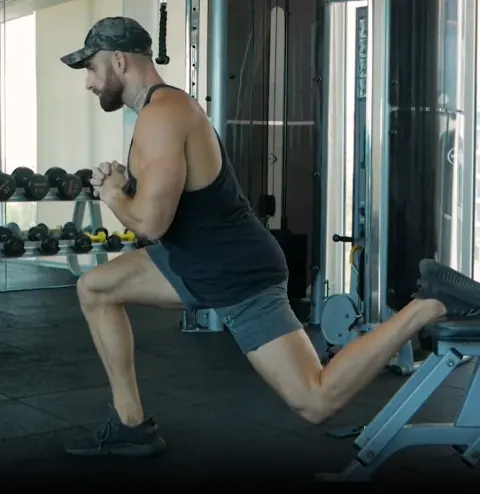
DOMS (delayed onset muscle soreness) is the dull, stiff ache that shows up 12–72 hours after exercise your muscles are not used to, peaks around day two and fades within three to five days. It is strongest after movements with a long lowering phase, such as lunges, Romanian deadlifts and downhill walking. It is a sign of unfamiliar work, not of damage that needs treatment.
How we use it in our plans
Our beginner plans are deliberately built to limit DOMS in the first two weeks. The 3-day dumbbell plan for beginners starts at the lower end of the set range with 2–3 reps in reserve, because the first exposure to any exercise produces the most soreness and there is no benefit in making it worse. Plans for over 50s and the 2-day general fitness plan follow the same ramp. When we regenerate a plan with new exercises every 6–8 weeks, we tell you to expect a few days of soreness and to keep the first week at the bottom of the rep ranges. The beginner guide covers the first month in detail.
Worked example
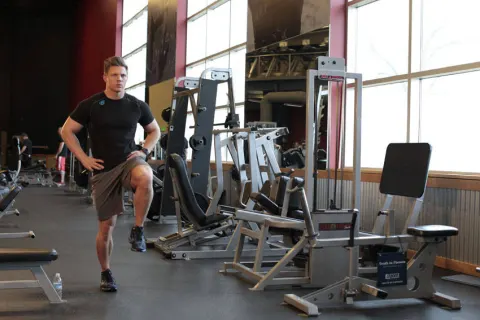
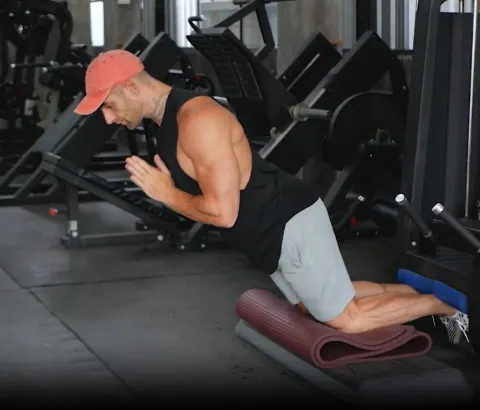
Week one of a new plan includes walking lunges 3 × 10 per leg. You feel fine leaving the gym; the next morning your glutes are tender, and 48 hours later stairs are an event. By day four it is gone. Week two, same lunges, same weight: mild stiffness for one day. Week three: nothing, while your reps have gone from 10 to 12. This is the repeated-bout effect, and it is why the first week of anything new feels worse than the following months. Nordic curls and Romanian deadlifts produce the same pattern in the hamstrings.
Common misunderstanding
DOMS is not lactic acid and it is not a measure of a good workout. Lactate clears within an hour; the soreness days later comes from micro-damage and the inflammation that repairs it. Chasing soreness pushes people towards constant exercise changes and high-damage sessions, which create fatigue without extra growth. Persistent heavy soreness lasting beyond three days is a recovery warning, not a trophy, and one of the signs listed in the deload guide. Mild soreness is fine to train through; a proper warm-up is usually all it takes to loosen it.
Plans that use this
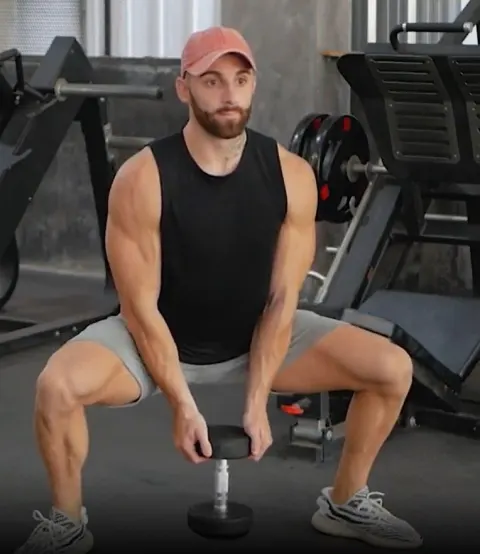
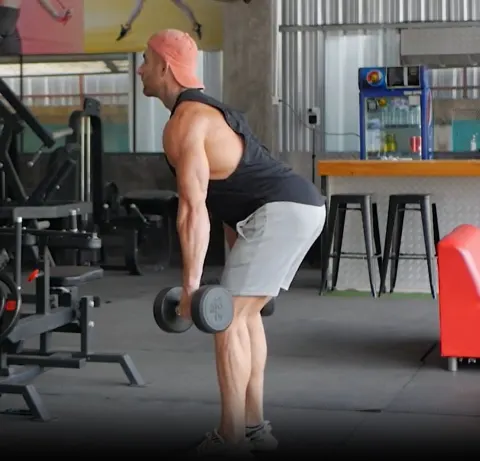
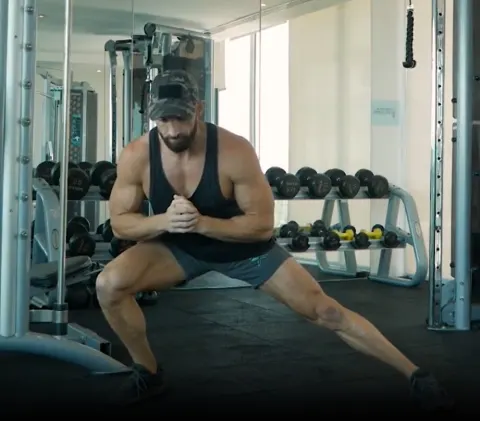

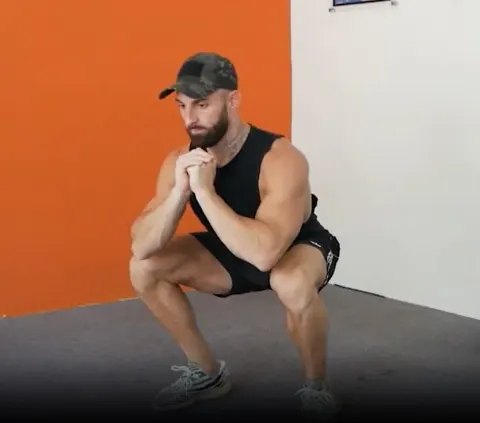


Exercises mentioned
Frequently asked questions
Should I work out if I still have DOMS?
Yes, if it is ordinary soreness. Warm up, start light and the stiffness usually eases within a few minutes. Skip or swap the exercise only if the pain is sharp, one-sided, in a joint, or so bad you cannot move through a normal range.
Does no soreness mean the workout did not work?
No. Soreness measures novelty, not progress. After a few weeks on the same plan you will rarely be sore while still adding reps and weight every week, which is the actual evidence that the training is working.