Unilateral Training
Definition: Unilateral training works one arm or one leg at a time, as in lunges, split squats, single-arm rows and single-leg deadlifts, instead of both limbs together.
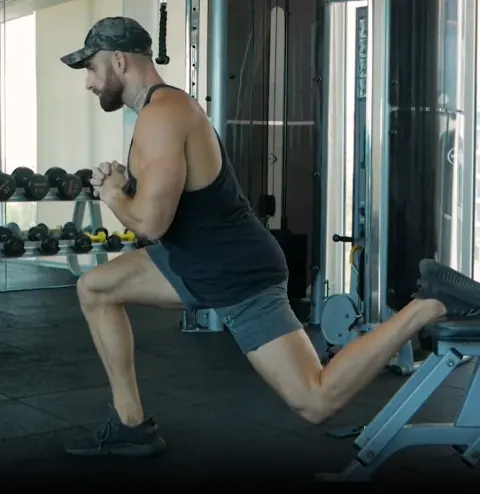
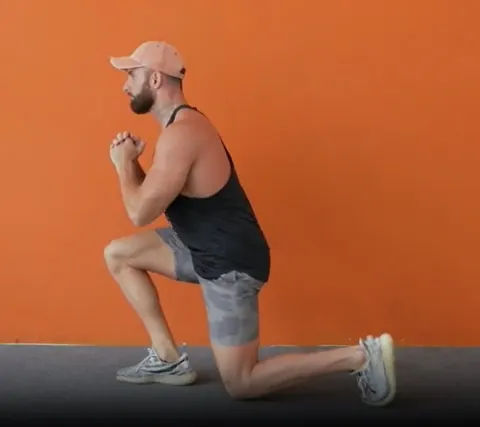
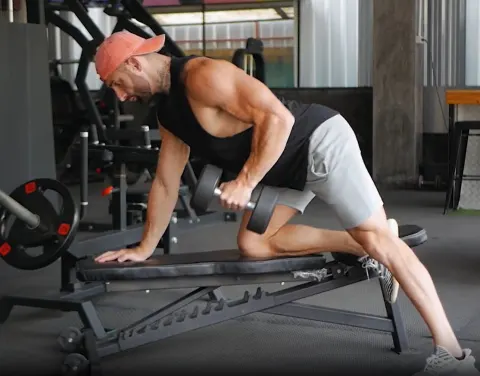
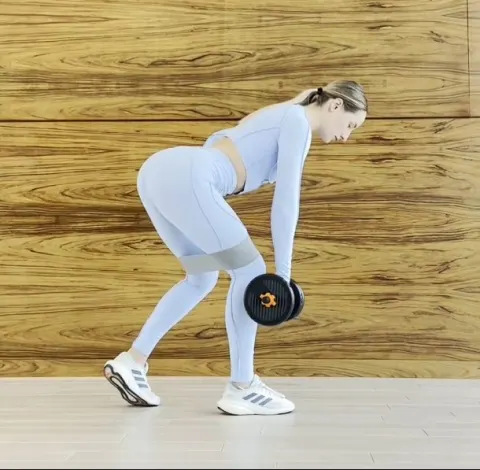
Unilateral training means working one arm or one leg at a time: Bulgarian split squats, reverse lunges, single-arm rows, single-leg Romanian deadlifts. The opposite is bilateral training, where both limbs work together, as in a back squat or barbell row. Unilateral work loads the muscle hard with half the external weight, trains balance and the hip stabilisers, and exposes left-right differences that bilateral lifts hide.
How we use it in our plans
Every lower-body session we generate includes at least one unilateral exercise, listed as “single-leg” in the plan, and most upper-body sessions include a single-arm row. There are three reasons. In dumbbell and bodyweight plans like the 3-day dumbbell plan and 3-day bodyweight plan, the available load is limited and a split squat makes 2 × 20 kg feel like 100 kg. In plans for over 50s such as the 3-day general fitness plan, single-leg work is the most direct balance training there is. And when you flag knees or back as a limitation, unilateral exercises replace the heavy bilateral ones because they load the joints less for the same muscular effort. The dumbbell-only guide shows a full programme built this way.
Worked example
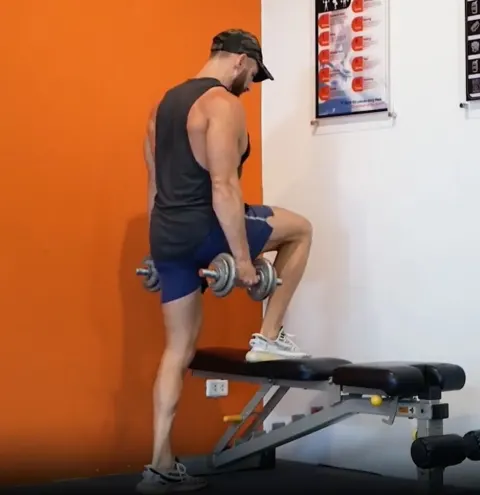
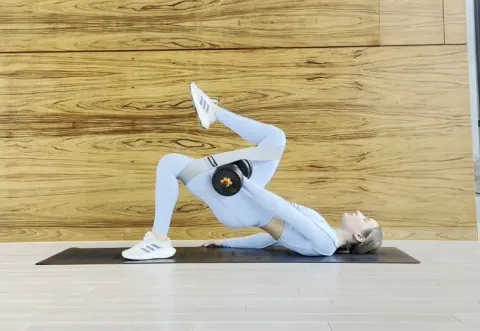
Leg day on a dumbbell plan: Bulgarian split squat 3 × 8–12 per leg with 2 × 16 kg, then single-leg Romanian deadlift 3 × 10 per leg with 20 kg, then step-ups 2 × 12 per leg. Total external load never exceeds 32 kg, yet each leg has done 15 hard sets’ worth of work, the glutes and adductors have been trained through balance, and your left leg has quietly revealed it is two reps weaker than your right. Single-leg glute bridges do the same at home with no weight at all.
Common misunderstanding
Unilateral training is not a rehab-only or “functional” novelty, and it is not automatically safer. A badly controlled lunge stresses a knee more than a well-executed squat, and unilateral sets take twice as long because each side needs its own set. The right use is deliberate: heavy bilateral lifts for maximal strength where you have the equipment, unilateral lifts for muscle, balance, limited equipment and working around joints. People with cranky knees or a sensitive back often find they can train legs hard again this way; the bad knees guide and bad back guide explain which variations to pick. For doing it with nothing but body weight, see the home workout guide.
Plans that use this
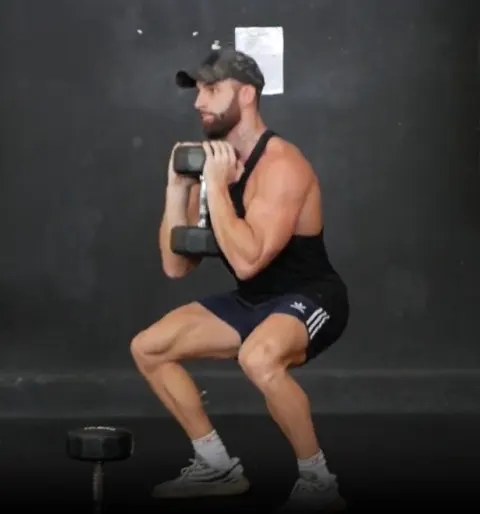
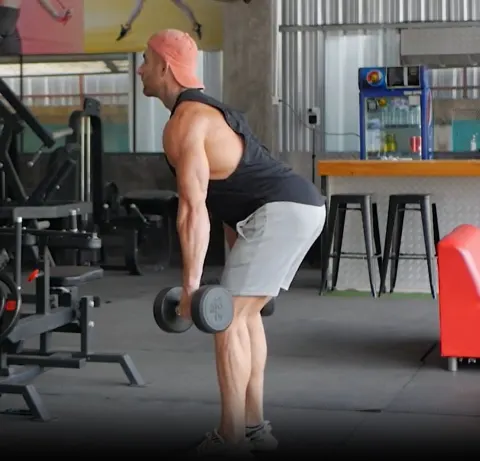
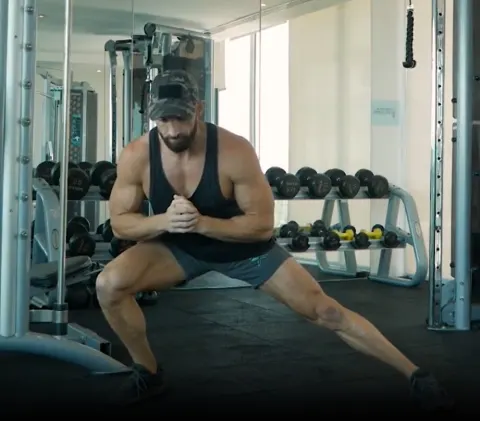
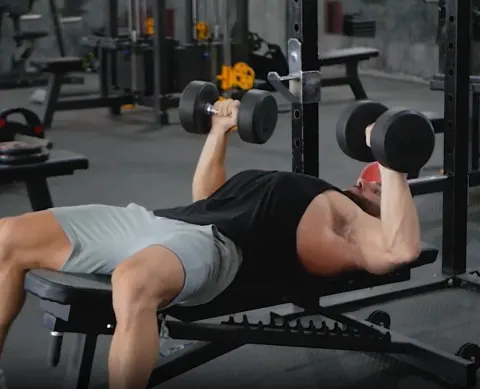
Exercises mentioned
 video
intermediate
 video
beginner
 video
beginner
 video
intermediate
 video
beginner
 video
intermediate
Frequently asked questions
Do unilateral exercises build as much muscle as bilateral ones?
For the legs, yes: a Bulgarian split squat loads one leg about as hard as a back squat with far less weight on the spine. For the upper body they are a close second. Most good plans use both, with bilateral lifts for heavy strength work and unilateral ones for muscle and balance.
Should I start with the weak side?
Yes. Do the weaker or injured side first while you are fresh, then match that number of reps on the stronger side rather than doing more. Over a few months the gap closes on its own.