Macros (Macronutrients)
Definition: Macros are the three macronutrients that supply calories: protein and carbs at 4 kcal per gram, fat at 9; counting macros means setting a daily gram target for each.
Macros, short for macronutrients, are the three nutrients that provide calories: protein (4 kcal per gram), carbohydrate (4 kcal per gram) and fat (9 kcal per gram). “Counting macros” means setting a daily gram target for each instead of, or as well as, a calorie total. For lifters, the protein target does most of the work; carbs and fat mainly decide how the remaining calories are divided.
How we use it in our plans
Our plans are training plans, but every goal page states the nutrition it assumes. Muscle-gain plans like the 4-day gym plan assume a small calorie surplus of 200–300 kcal and 1.6–2.2 g of protein per kilogram; weight-loss plans like the 3-day dumbbell plan assume a calorie deficit with protein at the high end to protect muscle. The TDEE and macro calculator turns your numbers into daily grams, and the protein calculator handles the one macro that matters most. Nothing in a plan requires precise tracking; a protein target and a rough calorie ceiling cover 90% of the result.
Worked example
A 75 kg man cutting on 2,100 kcal. Protein first: 2 g/kg = 150 g = 600 kcal. Fat at 0.8 g/kg = 60 g = 540 kcal. The remaining 960 kcal go to carbohydrate: 240 g. Macros: 150 P / 240 C / 60 F. If he preferred fewer carbs he could shift to 150 P / 180 C / 87 F; the fat loss would be identical because the calories and the protein are the same. In a muscle-gain phase at 2,900 kcal he keeps the protein and fat and lets carbs rise to 440 g to fuel the squats and deadlifts.
Common misunderstanding
Macro ratios like 40/30/30 are a legacy of magazine diets and mean little; what matters is grams of protein relative to body weight and total calories relative to TDEE. A 40% protein target is far too high for a 3,000 kcal eater and far too low for a 1,400 kcal eater. The second myth is that carbs make you fat or that fat makes you fat; only a surplus does, from any source. Set protein, keep fat above the minimum, fill the rest to taste, and spend the saved attention on training, as the weight-loss guide and the beginner guide recommend. Lifters over 40 benefit from the top of the protein range, as the training after 40 guide notes.
Plans that use this


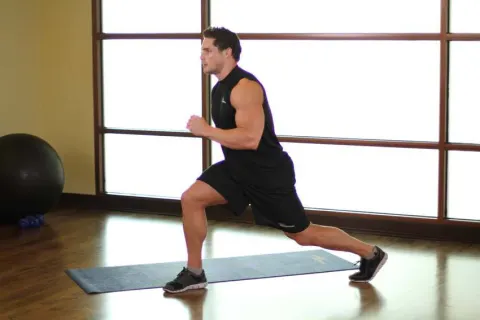

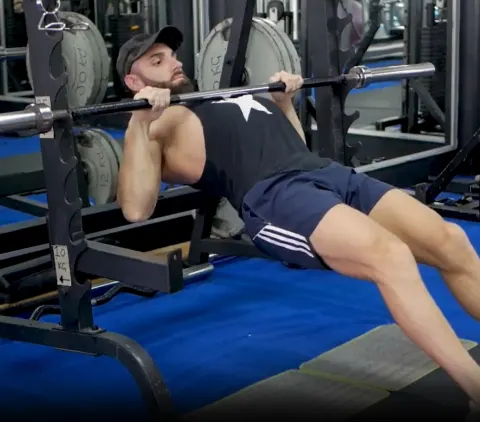
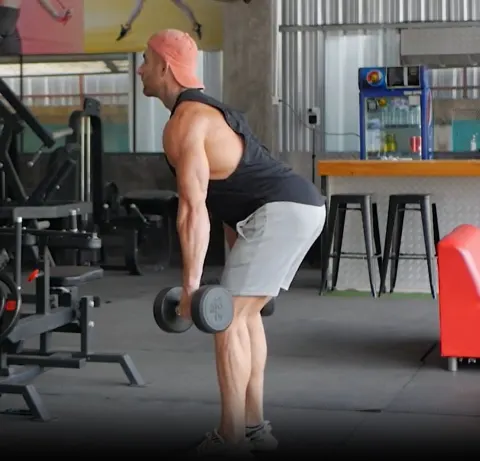
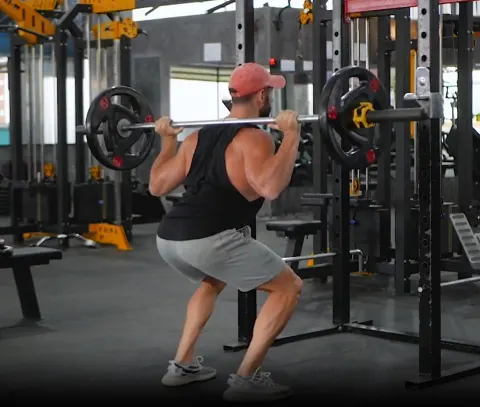
Exercises mentioned

Frequently asked questions
How much protein do I need to build muscle?
About 1.6–2.2 g per kilogram of body weight per day, or roughly 0.7–1 g per pound. More than that has no extra effect. Spread it over three or four meals and aim for 25–40 g in each.
Do carbs or fat matter more?
After protein is set, split the rest by preference. Carbs fuel hard training and recovery, so lifters usually keep them higher; fat should not drop below about 0.6 g per kilogram for hormones and health. Both ways work if the calories match.