Progressive Overload
Definition: Progressive overload means gradually increasing the demand on your muscles over time, through more weight, reps, sets or harder variations, so they keep adapting.
Progressive overload is the principle that muscles only keep adapting if the demand on them keeps rising over time. The increase can come from more weight, more reps, more sets, a harder exercise variation, slower tempo or shorter rest. Without it, a program is maintenance; with it, almost any sensible program works.
How we use it in our plans
Every plan we generate is built to be progressed for 6–8 weeks, then regenerated. The main lever is double progression: add reps inside the rep range, then add weight. For bodyweight plans like the 3-day no-equipment plan, the lever is the exercise variation ladder listed under each movement. Gym plans such as the 4-day strength plan progress weight on the main lifts and reps on the accessories. The progression guide has the week-by-week version.
Worked example
Three ways to overload the same exercise over eight weeks:
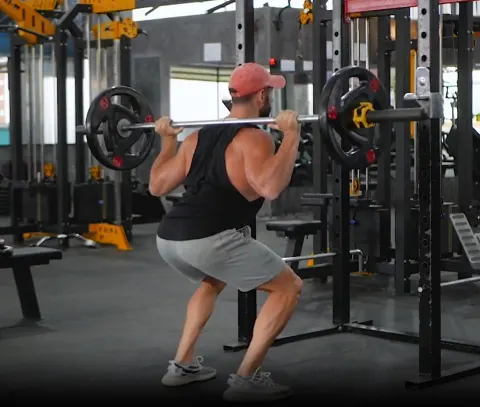
- Weight: back squat 3 × 8 at 60 kg becomes 3 × 8 at 72.5 kg.
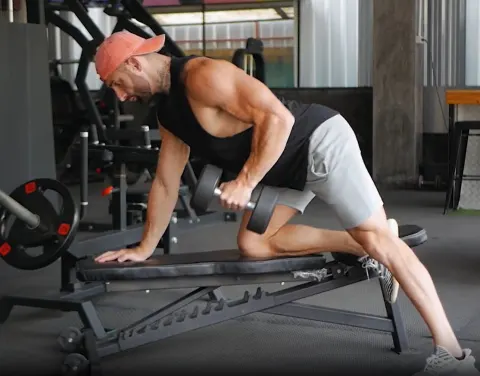
- Reps: dumbbell row with 20 kg goes from 3 × 8 to 3 × 12.
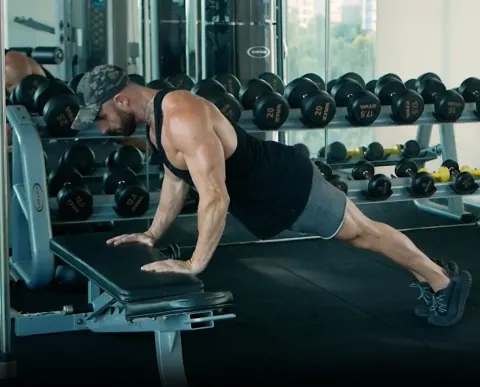
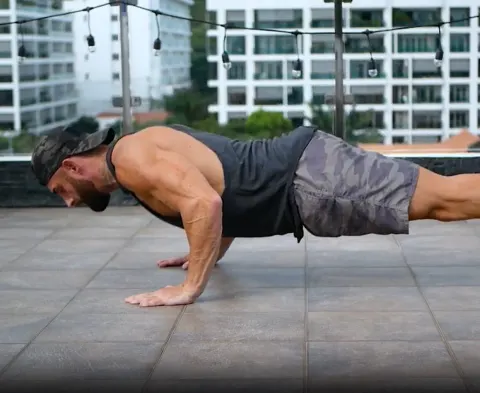
- Variation: push-ups go from 3 × 12 on an incline to 3 × 12 on the floor to 3 × 8 with feet elevated.
Each one is progressive overload. Pick the lever that fits your equipment and keep a log so you can see it happening.
Common misunderstanding
Progressive overload does not mean adding weight every session forever, and it does not mean every workout must be harder than the last. Recovery, sleep and food set the ceiling; the training just has to keep nudging it. Chasing weight at the expense of form is also not overload, because the target muscles are doing less work, not more. The goal is more demand on the muscle over weeks and months, which is why a deload every six to eight weeks is part of the process rather than a break from it. See sets and reps explained for how volume and effort fit in.
Plans that use this

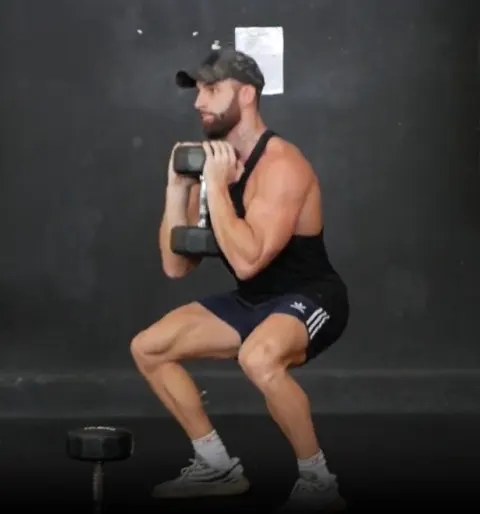
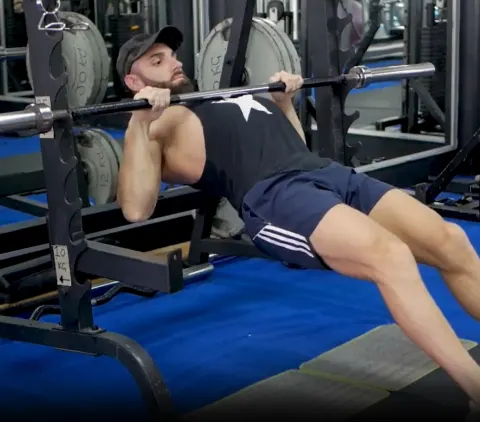
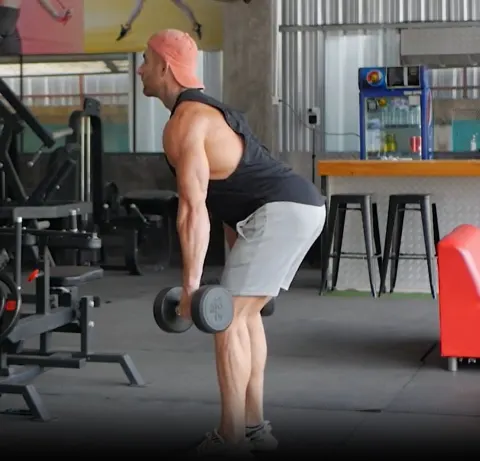
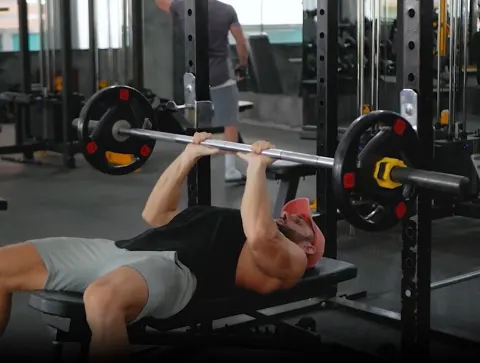
Exercises mentioned
Frequently asked questions
How fast should progressive overload happen?
Beginners can add weight almost every week for a few months. After that, expect a rep or two per exercise per week and a weight increase every three to five weeks. Slower than that is still progress; no change for six weeks is a stall.
Can I progressively overload without weights?
Yes. Add reps, add sets, slow the tempo, shorten rest, or move to a harder variation: incline push-ups to floor push-ups to decline push-ups to one-arm progressions. The demand still rises; it just rises through difficulty rather than kilograms.