Tempo
Definition: Tempo is the speed of each phase of a rep, written as four numbers in seconds, such as 3-1-1-0: lowering, pause at the bottom, lifting, pause at the top.
Tempo is the speed of each phase of a repetition, usually written as four numbers in seconds. In 3-1-1-0 the first number is the lowering (eccentric) phase, the second the pause at the bottom, the third the lifting (concentric) phase and the fourth the pause at the top. An X means “as fast as possible”. Tempo controls how much of a set is spent under load and how much momentum you are allowed.
How we use it in our plans
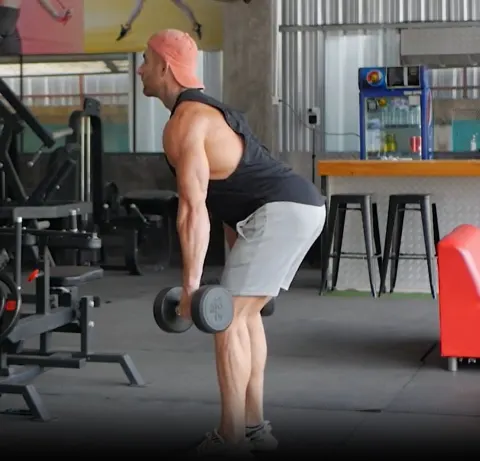
Most of our plans do not print a tempo, because the default is simple: lower under control for about two seconds, lift with purpose, no bouncing. Tempo appears explicitly in two places. Beginner plans such as the 3-day dumbbell plan for beginners suggest a slow eccentric on new movements so you learn the position before adding weight. Plans for over 50s and low-impact plans like the 3-day general fitness plan for over 50s use a 3-1-1-0 tempo on squats and hinges, which keeps the load lighter and the joints happier at the same effort. The training after 50 guide explains the reasoning.
Worked example
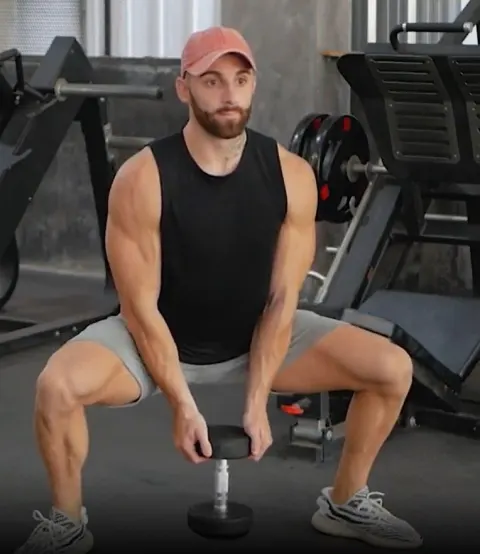
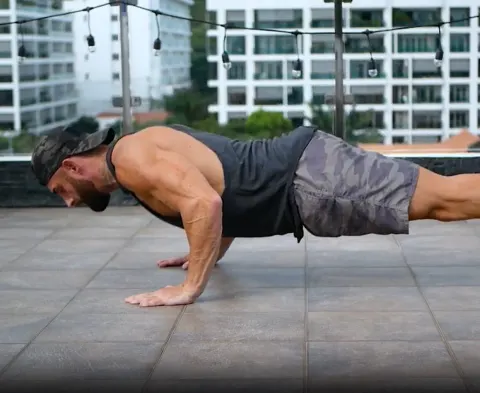
Goblet squat at 3-1-1-0 with 16 kg: three seconds down, one second sitting in the bottom with the chest up, one second to stand, straight into the next rep. Ten reps take about 50 seconds instead of 25, and 16 kg feels like 24 kg did at normal speed. For a knee that complains at the bottom of a fast squat, the pause removes the bounce that caused the complaint, as the bad knees guide describes. A push-up at 3-0-1-0 turns an easy 20 into a hard 12.
Common misunderstanding
Slow tempo is often sold as superior for muscle growth because of “time under tension”. It is not: time under tension only matters if the tension is high, and slower reps force lighter weights, so the two cancel out. Tempo is a tool for control, technique and joint comfort. The real mistake is the opposite one, letting the lowering phase become a drop and the bottom a bounce; that removes half the work from the muscle and puts it on the tendons. If you cannot control the descent, the weight is too heavy. See the beginner guide for how to build that control first.
Plans that use this
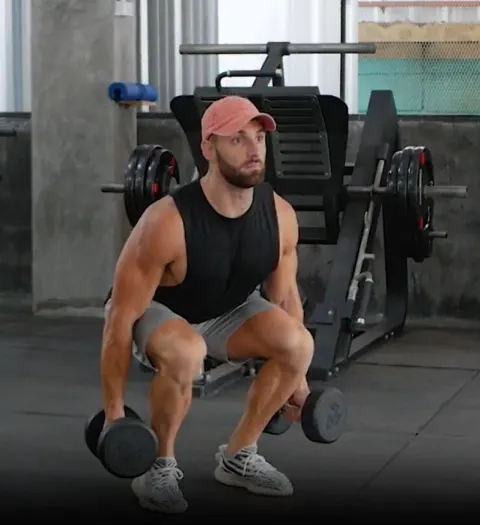
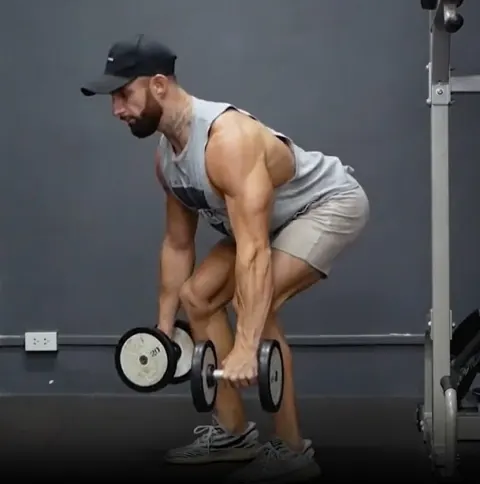
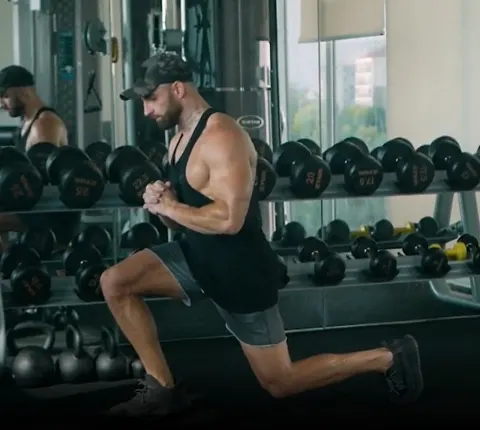
Exercises mentioned
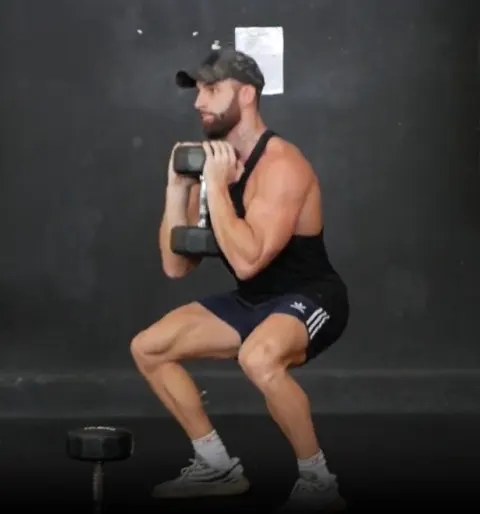
Frequently asked questions
What tempo should I use for most exercises?
Control the lowering phase for about two seconds, lift with intent, and do not bounce. Written out that is roughly 2-0-1-0. Slower tempos are a tool for learning a movement or working around a joint, not a default.
Does slow tempo build more muscle?
Not by itself. Reps lasting anywhere from about 2 to 8 seconds build similar muscle if the set is hard. Very slow reps mainly force a lighter weight, which is useful for joints and technique but not a growth hack.