Best Time of Day to Work Out: Morning vs Evening Compared
The best time to work out is the one you can repeat. Morning vs evening workouts compared for strength, fat loss and sleep, plus training before bed.
The best time of day to work out is the time you can keep week after week. Strength and power tend to peak in the late afternoon and early evening, but the difference is small, and the body adapts to whatever hour you train at regularly. Results depend on consistency far more than on the clock.
Morning vs evening at a glance
| Morning | Afternoon or evening | |
|---|---|---|
| Consistency | Strong: few things compete at 6:30 | Weaker: work, family and tiredness interfere |
| Performance | Slightly lower at first, improves with habit | Often the strongest hours of the day |
| Warm-up needed | Longer, the body is stiff and cool | Shorter |
| Food beforehand | Little or none | One or two meals already eaten |
| Gym crowding | Usually quiet | Peak hours from about 5 to 8 pm |
| Effect on sleep | Neutral or helpful | Fine for most, if hard work ends an hour or more before bed |
Neither column wins outright. Each has one clear advantage: mornings protect the habit, evenings favour performance.
What the body clock changes
Core body temperature rises through the day and peaks in the late afternoon. Muscles are warmer, nerve signals travel a little faster and joints feel looser. In laboratory tests, strength and power are typically a few percent higher at that time than early in the morning.
Three things keep that from being decisive:
- The gap is small. A few percent matters to a competitive athlete on test day. It is invisible next to the effect of a missed session.
- The body adapts. People who train in the morning for several weeks close most of the gap at that hour. You get better at the time you practise.
- Long-term results match. Studies that follow morning and evening groups for weeks or months report similar gains in strength and muscle size.
If you compete at a set time, do some of your training at that time. Otherwise, treat the body clock as a tiebreaker.
The case for the morning
Morning training happens before the day can interfere. No meeting overruns, nobody cancels, and willpower has not been spent. For people who struggle to stay consistent, that outweighs a few percent of strength.
What to adjust:
- Warm up for longer. You have been lying still for hours. Give yourself eight to ten minutes, for instance the 10-minute warm-up, and add an extra lighter set before the first heavy lift. How to warm up before lifting has the details.
- Decide about food in advance. Some people train well fasted and others feel weak. Try both for a week each. A banana or a slice of toast is enough if you need something.
- Prepare the night before. Clothes, bottle and plan ready, so the only decision at 6 am is to stand up.
- Protect your sleep. Getting up an hour earlier only works if you also go to bed earlier. Training on six hours of sleep costs more than it gives.
No time for a full session before work? A short routine such as the 10-minute morning workout still wakes the body up, and the 5-minute morning workout fits before a shower.
The case for the afternoon and evening
Later in the day you are warm, fed and fully awake. Heavy lifting usually feels best in this window, and many people use the session to draw a line under the working day.
What to watch:
- Crowded gyms. Between 5 and 8 pm you may queue for racks and benches. Have a substitute ready for each main lift, or train at home.
- Decision fatigue. After a long day, “I will go later” becomes “tomorrow”. Pack the bag in the morning and go straight from work.
- Late dinners. A large meal directly before training is uncomfortable. Leave two to three hours, or eat a small snack and have the main meal afterwards.
Is it bad to work out before bed?
For most people it is not. Reviews of evening exercise find that light and moderate sessions leave sleep unchanged or slightly better. The exception is vigorous training that ends shortly before bedtime. Heart rate and body temperature stay raised for a while, and some people then take longer to fall asleep.
Practical rules for late sessions:
- Finish hard training at least one hour before bed, and preferably two.
- End with a few minutes of slow breathing or easy stretching, such as the 10-minute stretching routine.
- Keep the lights and the screen brightness low afterwards.
- If late intensity keeps you awake, move the hard sessions to another slot and leave gentler work, like the 15-minute low-impact workout, for the evening.
People differ here, so trust your own experience over the average. Sleep problems that persist for weeks whatever you change are a matter for a doctor, not for a training schedule.
Best time for fat loss and muscle
Fat loss. No hour burns meaningfully more. Fasted morning cardio uses more fat during the session and less afterwards, and the daily total comes out the same. What counts is the weekly calorie deficit, which you can set with the calorie deficit calculator, and whether the session gets done.
Muscle. Protein spread over the day and enough total food matter more than timing. If your evening sessions are clearly stronger, you might complete a few more good reps there, but only if you turn up as often.
Order within a session. That question has more effect than the hour, and it is covered in cardio before or after weights.
Lunch breaks and odd hours
Midday is an underrated slot. You are awake, lightly fed, and a 30-minute session fits into a normal break if the gym is close or the dumbbells are at home. The workout plan for busy people is sized for exactly that, and how long a workout should be explains why half an hour is enough for many goals.
Shift workers should anchor training to their sleep, not to the clock. A session one to three hours after waking tends to work on any rota. Avoid hard training in the last hour before your main sleep, whenever that falls.
How to pick your slot
- List the realistic options. Most people have two: before work, and after work or after the children are in bed.
- Ask which one gets cancelled less. Look at the last month honestly, not at your intentions.
- Test it for two weeks. Same days, same time. Note your energy and how many sessions you completed.
- Keep the winner fixed. Put it in the calendar and tell the people it affects.
- Have a backup. If the main slot fails, a named second slot the same day prevents a skipped session.
If you are just beginning, choosing the slot is half of the plan. The other half is in how to start working out, and the number of sessions to schedule is covered in our training frequency guide.
Ready plans for this guide





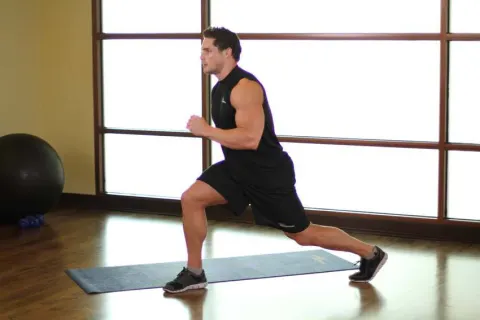





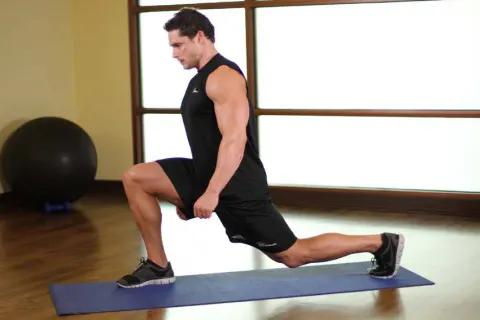
Exercises mentioned


Frequently asked questions
Is it better to work out in the morning or the evening?
Neither is clearly better for results. Evening sessions may feel slightly stronger because body temperature and alertness are higher, while morning sessions are easier to protect from interruptions. Studies that compare the two find similar gains in strength and muscle over weeks. Choose the slot that you can repeat most reliably.
Is it bad to work out before bed?
Usually not. Light and moderate exercise in the evening does not disturb sleep for most people and can improve it. Very hard sessions that finish less than about an hour before bedtime can make it harder to fall asleep. If that happens to you, finish earlier or make late sessions easier.
What is the best time to work out to lose weight?
The time at which you actually train. Weight loss comes from a calorie deficit over weeks, and the hour of exercise does not change that in a meaningful way. Morning exercise on an empty stomach uses more fat during the session, but total fat loss over the day ends up the same.
Should I eat before a morning workout?
It depends on the session and on you. Many people handle a short or easy morning workout well without food. For hard or long sessions, a small snack with some carbohydrate 30 to 60 minutes beforehand, such as a banana or toast, often improves how the training feels. Drink some water either way.
Does working out at the same time every day matter?
It helps more than the specific hour. A fixed slot turns training into a routine that needs less willpower, and the body gradually performs better at its habitual training time. If your schedule varies, keep the same days and choose between two fixed slots so you are not deciding from scratch each morning.