Cardio Before or After Weights? The Right Order for Your Goal
Cardio before or after weights? Do first whatever matters most to you. A goal-by-goal table, how many hours to leave between sessions and example weeks.
Do weights first if your main goal is strength, muscle or fat loss, and do cardio first only when endurance performance is the priority. Whatever comes first gets your best energy. If you can, separate hard cardio and lifting by six hours or put them on different days, though a 5 to 10 minute easy warm-up before lifting is always fine.
The order by goal
| Your main goal | Do first | Reason |
|---|---|---|
| Build muscle | Weights | Fresh muscles complete more reps with more load |
| Get stronger | Weights | Heavy lifts need full strength and sharp technique |
| Lose fat | Weights | Lifting protects muscle; order does not change fat loss |
| General fitness | Either | Start with the one you are more likely to skip |
| Run, cycle or swim faster | Cardio | The key endurance session deserves fresh legs |
| Health | Either | Getting both done matters far more than the sequence |
The rule behind the table is priority. Your body performs best in the first part of a session, so spend that part on what you most want to improve.
Why lifting first usually wins
Fatigue costs reps. Twenty or thirty minutes of hard running or cycling before squats reduces how many reps you can do and how much you can load. Fewer hard reps mean a weaker signal for strength and muscle. Studies on session order tend to find slightly better lower-body strength gains when lifting comes first.
Technique needs freshness. A heavy squat or deadlift asks for bracing, balance and concentration. Tired legs and a pounding heart make all three worse. Easy cardio, by contrast, is forgiving. A steady 25 minutes on the exercise bike after lifting is a little less comfortable than usual, and just as useful.
The reverse cost is small. Lifting before cardio lowers your running or riding pace somewhat, but for a general fitness or fat-loss goal that pace is not the point.
When cardio should come first
- You are training for an event. If a 10 km race or a long ride is the goal, do the important run or ride first, or on its own day, and lift afterwards with moderate loads.
- The cardio session is the hard one. Intervals demand quality. Do them fresh and follow with lighter strength work, preferably for the upper body.
- You lift only for general health. Then the order hardly matters and personal preference decides.
Even for endurance athletes, two short strength sessions a week are worth keeping. Just place them after easy runs, not before hard ones.
A warm-up is not a cardio session
Five to ten easy minutes on a bike, rower or treadmill before lifting does not count as doing cardio first. It raises body temperature and prepares the joints without creating fatigue. The line is effort: you should be able to hold a conversation the whole time and finish feeling ready, not drained.
After that, move to lighter sets of your first exercise. A routine such as the 5-minute warm-up covers the general part, and how to warm up before lifting explains the ramp-up sets.
Does cardio kill gains?
The worry has a name, the interference effect, and it is smaller than its reputation.
- Moderate cardio two or three times a week does not stop muscle growth in people who eat and sleep enough.
- The effect shows up mostly in explosive strength and power, and mostly with high volumes of running.
- Cycling and other low-impact options interfere less than running, probably because they cause less muscle damage in the legs.
- Hard intervals the day before or straight before heavy leg training are the combination to avoid.
So you can keep both. Manage the three things that matter: how much cardio, how hard, and how close to leg day.
Same day or separate days
| Setup | Example week | Suits |
|---|---|---|
| Cardio after weights | Mon, Wed, Fri: lifting, then 15–20 easy minutes | Limited days, fat loss, general fitness |
| Separate days | Mon, Wed, Fri: lifting. Tue, Sat: cardio | Best quality for both, needs five days |
| Two sessions in a day | Morning run, evening weights, six hours apart | Endurance athletes, flexible schedules |
| Finisher only | Lifting, then 6–10 minutes of intervals | Very busy weeks |
If you combine them in one session, keep the cardio easy to moderate. Find your zone 2 range with the heart rate zones calculator. That is the right intensity for most post-lifting work.
On separate days, put the hardest cardio as far from your leg workout as the week allows. Upper-body days and easy cardio get along well.
Order and fat loss
Neither order burns more fat over a week. Cardio before breakfast or before weights uses a little more fat during the session, and the body balances that out over the following hours. What decides fat loss is the size of your deficit, which the calorie deficit calculator helps you set.
Order matters indirectly. During a diet you have less energy to spend, so protect the lifting, which keeps your muscle, and let cardio take second place. Often the best “cardio” on a diet is simply more walking, as how many steps a day explains. For the wider question of which of the two does more for fat loss, read cardio vs weights for fat loss. The cutting workout plan shows a full week arranged on these lines, and the general weight loss workout plan does the same for beginners.
Where HIIT fits
High-intensity intervals are closer to leg training than to easy cardio. Sprints, jump squats and hard bike intervals load the same muscles that squat and deadlift.
- Do them after an upper-body session, or on a day of their own.
- Keep them to one or two sessions a week when you also lift three or four times.
- Leave at least a day between hard intervals and heavy leg work.
- Short is enough: 10–20 minutes including recoveries. The 20-minute HIIT workout is a complete session, and the HIIT timer runs the work and rest periods for you.
The short version
- Strength, muscle or fat loss: weights first, cardio after or on another day.
- Endurance goal: key cardio first, strength after or later in the day.
- Hard cardio and hard lifting: six hours apart when possible.
- An easy warm-up of 5–10 minutes: always fine.
- Unsure: do first the session you would be most tempted to drop.
The order is a detail compared with doing both every week. Pick the arrangement that fits your schedule and keep it long enough to see results.
Ready plans for this guide
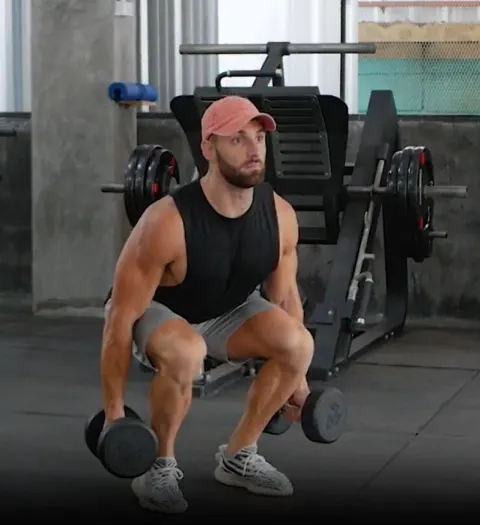
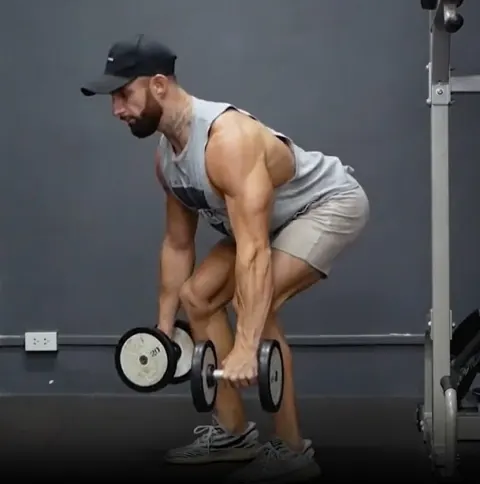


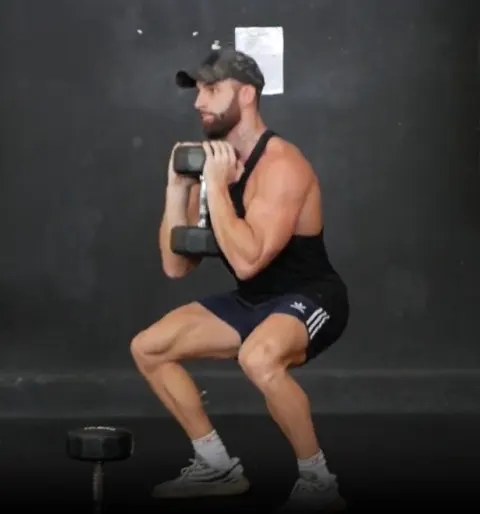

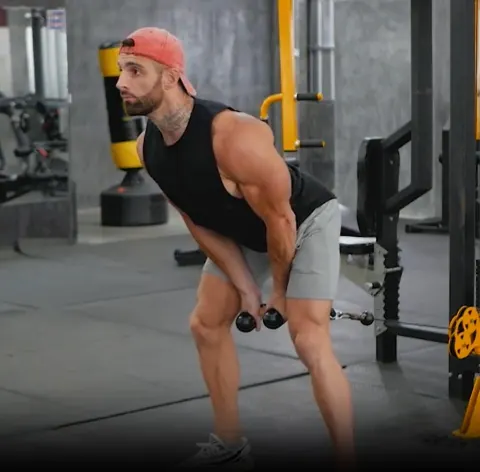
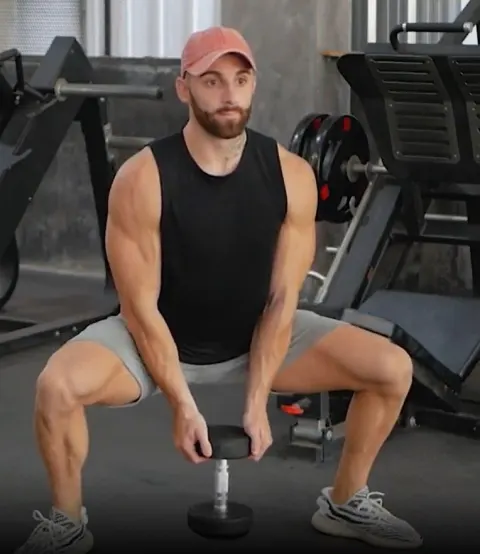
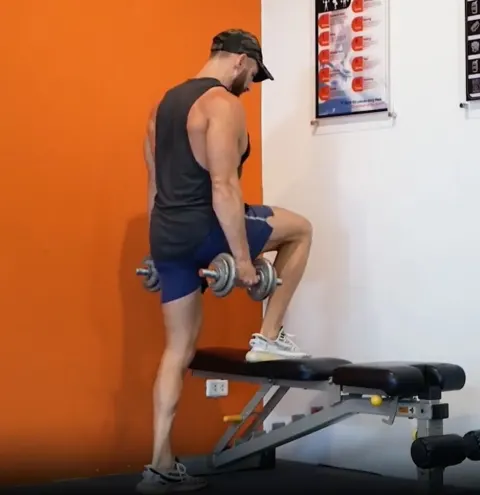
Exercises mentioned


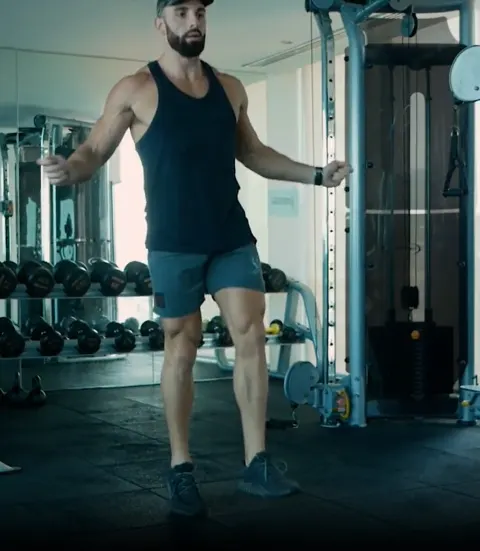

Frequently asked questions
Should I do cardio before or after weights to lose fat?
After, or on a separate day. Fat loss depends on your overall calorie deficit, not on the order, so the sensible choice is the one that protects your lifting, because lifting is what keeps muscle while you diet. Easy cardio after weights or on rest days does that. Daily walking is the simplest addition.
Is it OK to do 10 minutes of cardio before lifting?
Yes. Five to ten minutes at an easy pace raises your temperature and heart rate and works as a general warm-up without tiring you. Keep it conversational. Follow it with one or two lighter sets of your first exercise, and save any hard intervals or long steady sessions for after the weights.
Does cardio after weights hurt muscle growth?
Not in moderate amounts. Twenty to thirty minutes of easy to moderate cardio after lifting, two or three times a week, has little measurable effect on muscle gain as long as you eat and sleep enough. Problems appear with large volumes of hard running combined with heavy leg training and too little food.
How long should I wait between cardio and weights?
If both sessions are hard, leave about six hours or more between them, for example a run in the morning and lifting in the evening. That gap is enough for most of the short-term fatigue to clear. If the cardio is easy, no gap is needed and you can do it straight after your last set.
Should I do cardio and weights on the same day or on different days?
Either works. Separate days give each session your full energy but take up more of the week. Same-day training saves time and leaves complete rest days, provided the priority session comes first. Many people settle on three lifting days with short easy cardio afterwards, plus one longer walk, ride or run at the weekend.