Cardio vs Weights for Fat Loss: Which Is Better?
Cardio or weights for weight loss? What each does for calories, muscle and health, why the best fat-loss plan uses both, and an example week that combines them.
For fat loss, do both, but if you must choose one while dieting, choose weights and walk more. Cardio burns more calories per session; weight training keeps your muscle, so more of the weight you lose is fat. The calorie deficit itself comes mostly from food, and the strongest results come from combining a modest deficit, two to four strength sessions and regular cardio or daily steps.
What cardio does
Cardio is any sustained activity that raises your heart rate: walking, running, cycling, swimming, rowing, interval circuits.
- Burns the most calories per minute. A 75 kg person uses roughly 300–400 kcal in 30 minutes of running.
- Improves heart and lung fitness, blood pressure and blood sugar control.
- Needs little skill or equipment at low intensities.
- Does not protect muscle. In a calorie deficit with no resistance training, a meaningful share of the weight lost is lean tissue.
In trials where people exercise without changing their diet, cardio groups usually lose more body weight and fat mass than weights-only groups. That is a fair point in its favour.
What weights do
Resistance training is anything that loads your muscles close to their limit: free weights, machines, bands or hard bodyweight exercises.
- Preserves and builds muscle. This is the effect cardio cannot copy.
- Keeps your metabolism from falling as far. Muscle is active tissue, and holding on to it limits the drop in daily energy use that comes with weight loss.
- Shapes the result. Two people can lose the same 8 kg and look very different depending on how much of it was muscle.
- Burns fewer calories per session than most cardio, and the “afterburn” is real but small, typically a few dozen kilocalories.
In the same trials, weights-only groups lose less on the scale but gain lean mass. Groups that do both tend to get the best change in body composition.
Side by side
| Cardio | Weights | |
|---|---|---|
| Calories in 30 min (75 kg) | 150–180 walking briskly, 300–400 running | 110–220 |
| Effect on muscle | Neutral at best in a deficit | Maintains or builds |
| Effect on scale weight | Larger | Smaller |
| Effect on body shape | Smaller version of the same shape | Leaner and firmer at the same weight |
| Heart and lung fitness | Strong | Modest |
| Bone and joint strength | Some (impact activities) | Strong |
| Recovery cost | Low for walking, high for intervals | Moderate |
| Appetite | Hard sessions often raise it | Usually little change |
Check figures for your own weight with the calories burned calculator; there are separate pages for running and weight lifting.
Why “which burns more” is the wrong question
A daily deficit of 400 kcal can come from eating a little less or from an extra 40 minutes of running. Most people find the first far easier to sustain. Exercise calories are also easy to eat back: appetite rises after hard sessions, and people tend to move less for the rest of the day.
So think of the roles like this:
- Diet creates most of the deficit. Set it with the calorie deficit calculator, aiming to lose 0.5–1 percent of body weight per week.
- Weights decide what the lost weight is made of.
- Cardio and steps widen the deficit a little, protect your heart and let you eat slightly more for the same rate of loss.
Your total daily energy use, or TDEE, includes everything from fidgeting to formal training. Walking often contributes more to it over a week than gym cardio does, simply because you can do it every day. See how many steps a day for realistic targets.
How to combine them in a week
Start with what must be there, then add what you have time for.
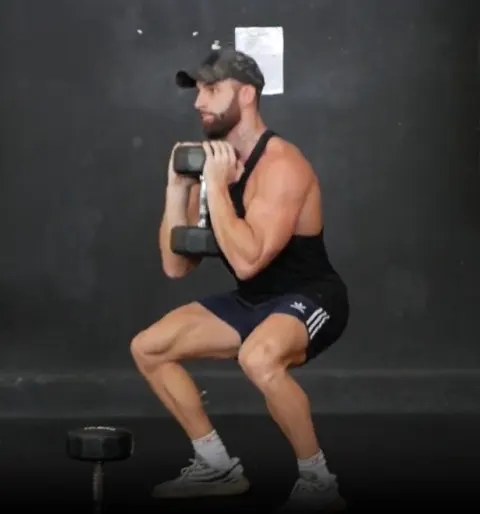
- Two to four strength sessions. Full-body or upper/lower, built on squats, hinges, presses and rows. Non-negotiable in a deficit.
- Daily walking. 7,000–10,000 steps. This is your base cardio.
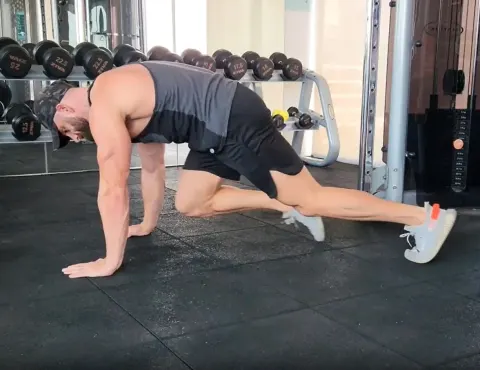
- One or two harder cardio sessions, if you enjoy them and recover well: 20–30 minutes of intervals or 30–45 minutes at a steady, conversational pace.
Practical rules:
- Lift first when you do both in one session, or separate them by several hours.
- Keep hard intervals away from leg day. Put them after an upper-body session or on their own day.
- Favour low intensity when calories are low. Zone 2, a pace at which you can still talk, is easy to recover from. The heart rate zones calculator gives your range.
- Do not add cardio to fix a diet problem. If weight has stalled for three weeks, check intake before adding a fifth session.
An example week
| Day | Session | Time |
|---|---|---|
| Monday | Full-body weights | 45 min |
| Tuesday | Brisk walk or easy bike, zone 2 | 30–45 min |
| Wednesday | Full-body weights | 45 min |
| Thursday | Intervals, for example a 20-minute HIIT workout | 20 min |
| Friday | Full-body weights | 45 min |
| Saturday | Long walk, hike, swim or ride | 60 min+ |
| Sunday | Rest, easy steps |
Daily steps run underneath all of this. For the strength days, the full-body workout with dumbbells is a ready-made session.
Short on time? Keep the three weights sessions and the daily steps; drop Tuesday and Thursday.
Love cardio? Keep it. Just hold at least two strength sessions a week and eat enough protein, 1.6–2.2 g per kg of body weight.
Where HIIT fits
High-intensity interval training is cardio compressed. It burns a similar amount to a longer steady session in less time and improves fitness quickly. It is also the hardest form to recover from, and in a deficit recovery is limited.
One or two short sessions a week is plenty for fat loss. If you want structure, the 30-day HIIT challenge builds up gradually. Circuit-style weights with short rests sit somewhere in between: fine as a finisher, but not a replacement for properly loaded strength sets.
Common mistakes
- Cardio only, large deficit. Fast scale loss, noticeable muscle loss, and a softer look at the end.
- Weights only, no deficit. You get stronger and the scale does not move. Good for health, but not fat loss.
- Turning lifting into cardio. Light weights, no rest, 30 reps. It does neither job well.
- Rewarding sessions with food. A 300 kcal run disappears into one pastry.
- Too much, too soon. Six hard days a week on reduced calories ends in fatigue or injury. Build up over a month.
Which should you pick?
| Your situation | Priority |
|---|---|
| Losing fat, want to look leaner | Weights 3×, daily steps, optional cardio 1–2× |
| Only two or three hours a week | Weights, plus walking wherever it fits |
| Mainly want heart health and stamina | Cardio 3×, weights 2× |
| Lots of weight to lose, new to exercise | Walking daily, weights 2×, add more later |
| Want to lose fat and gain muscle together | Weights 3–4×, small deficit, high protein |
For the last case, see the body recomposition workout plan. For a standard fat-loss setup, the weight loss workout plan combines strength days and cardio in the proportions described here, and workouts for weight loss ranks what matters most.
If you have a heart condition, high blood pressure, joint problems or have been inactive for a long time, talk to your doctor before starting vigorous cardio or heavy lifting.
Ready plans for this guide
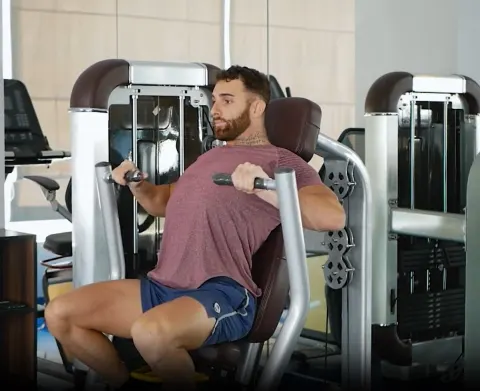





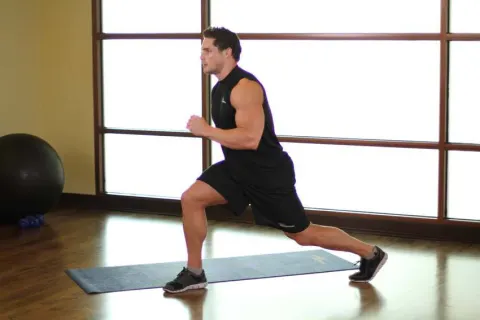


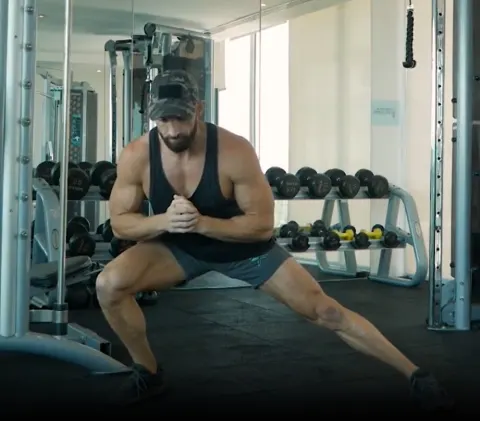

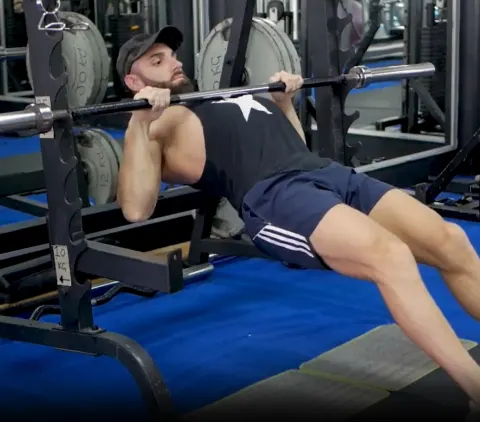
Exercises mentioned



Frequently asked questions
Does lifting weights burn fat?
Indirectly. A lifting session uses a modest amount of energy, and the muscle it preserves or adds keeps your daily energy needs from dropping as you lose weight. Its main contribution is steering weight loss towards fat instead of muscle. The fat itself is lost through a calorie deficit, which diet and cardio help create.
Should I do cardio before or after weights?
After, or on a separate day, if strength and muscle are priorities. Lifting first means you handle heavier loads with better technique while fresh. A five to ten minute easy warm-up before weights is fine. If your main goal is a running or cycling event, reverse the order.
How much cardio should I do a week to lose fat?
Public health guidelines suggest 150 to 300 minutes of moderate activity a week, and brisk walking counts. For fat loss, daily walking plus one or two harder sessions of 20 to 30 minutes covers most people. Add more only if you recover well and still enjoy your strength training.
Can I lose weight by lifting weights only?
Yes, if your diet creates the deficit. Many people lose fat successfully with three strength sessions a week and no formal cardio. You would still benefit from regular walking for heart health and extra energy use, so think of weights only as weights plus an active daily routine.
Is HIIT better than steady cardio for fat loss?
Not meaningfully. Studies comparing the two find similar fat loss when total energy burned is matched. Interval training saves time but is harder to recover from, especially when eating less. Steady cardio is gentler and easier to repeat. Choose whichever you will do consistently, or use a little of each.