How Long Does It Take to See Results From Working Out?
How long it takes to see results from working out: a week-by-week timeline for strength, muscle, fat loss and fitness, plus what speeds it up or slows it.
Most people feel results from working out within 2 to 4 weeks, see them in the mirror at 6 to 8 weeks, and have other people notice by about 12 weeks. Strength and fitness improve first, visible muscle and fat loss follow. The exact timing depends on your starting point, how consistently you train, and whether your eating matches your goal.
The timeline at a glance
These ranges assume three sessions a week, sensible effort and eating that supports the goal. They describe typical beginners, not guarantees.
| When | Strength | Muscle | Fat loss | Fitness |
|---|---|---|---|---|
| Week 2 | Lifts feel smoother, small weight increases | No visible change; muscles feel firmer after sessions | 1–2 kg down on the scale, partly water | Less out of breath on stairs, soreness fading |
| Week 4 | 10–20 % more weight or reps on most lifts | Early growth measurable in studies, rarely visible | 2–3 kg down for most people in a deficit; clothes slightly looser | Lower heart rate at the same pace |
| Week 8 | Clearly stronger; technique feels automatic | First visible changes in shoulders, arms, legs | Waist down a few centimetres; you can see it | Noticeably better endurance, faster recovery |
| Week 12 | 30–50 % above starting weights is common | Others notice; shirts fit differently | Roughly 5–9 kg down at a steady pace | Sessions that were hard in week 1 feel like a warm-up |
Strength: the first thing to change
You get stronger within the first two or three sessions, and it has little to do with muscle size. Your nervous system learns to recruit more muscle fibres and coordinate them better. This is why beginners can add weight almost every week for the first few months.
Track it. Write down the weight and reps for every exercise and try to beat one number each session. This steady increase is called progressive overload, and it is the clearest early proof that training is working. To compare lifts done at different rep counts, use the one rep max calculator.
Muscle: slow, then obvious
Muscle protein synthesis rises after your very first workout, but tissue accumulates slowly. Imaging studies pick up growth after three to four weeks. You see it at around six to ten weeks, and usually in the shoulders, arms and upper back first.
A rough rule of thumb for a first year of consistent training with enough food:
- Men: about 0.5–1 kg of muscle per month
- Women: about 0.25–0.5 kg per month
The rate falls sharply in later years. Eat enough protein, 1.6–2.2 g per kg of body weight, which the protein intake calculator will work out for you. A plan with a clear progression, such as the 12-week workout plan, matches the time muscle actually needs.
Fat loss: depends on the kitchen
Exercise supports fat loss, but the rate is set by your calorie deficit. A sustainable pace is 0.5–1 percent of body weight per week. For an 85 kg person that is roughly 0.4–0.85 kg a week, or 5–10 kg over twelve weeks.
What to expect:
- Week 1: a quick drop of 1–2 kg, largely water and stored carbohydrate.
- Weeks 2–4: slower, steadier loss. This is the real rate.
- Weeks 4–8: you see it in the face and waist.
- Weeks 8–12: other people see it.
Set your target with the calorie deficit calculator and estimate your starting point with the body fat calculator. If you train hard but eat at maintenance, you will get stronger and fitter while the scale stays put. That is still a result, just not the one you may have been looking for.
Fitness: the fastest win
Cardiovascular fitness responds within days. Blood volume expands in the first week or two, so your heart pumps more with each beat. By week four the same walk, run or circuit feels easier and your heart rate is lower for the same effort. Measurable improvements in aerobic capacity typically show at six to eight weeks.
A simple test: pick a fixed route or a routine such as the 20-minute full-body workout, note your time or heart rate, and repeat it monthly. The heart rate zones calculator helps you train at the right intensity in between.
What speeds results up
- Consistency. Three sessions every week beats five sessions some weeks and none in others.
- Effort. Sets should end within one to three reps of failure. Comfortable sets build little.
- Progression. More weight, more reps or better form over time.
- Protein and enough food for the goal. A small surplus for muscle, a moderate deficit for fat loss.
- Sleep. Seven to nine hours. Most adaptation happens while you rest.
- Being a beginner. New trainees progress fastest. Enjoy it.
What slows them down
- Program hopping. Changing plans every two weeks resets the learning curve.
- Too much too soon. Severe soreness, known as DOMS, makes you skip sessions. Start lighter than you think you need to.
- Goal and diet pulling in opposite directions. Trying to build muscle on very little food, or lose fat without any deficit.
- Age and training history. Progress is slower after 50 and for experienced lifters, but it does not stop.
- Stress, illness and missed sleep. These reduce recovery more than most people realise.
How to measure results properly
The mirror is the least reliable tool you own because you look at it every day. Use at least three of these:
- Training log. Weight and reps for every set.
- Weekly average body weight. Weigh daily, compare the averages.
- Tape measure. Waist, hips, chest, upper arm and thigh, every two weeks.
- Photos. Front, side, back, same light and time of day, every four weeks.
- A fitness benchmark. A timed walk or run, or maximum push-ups, repeated monthly.
If two of the five are moving in the right direction, the plan is working even when the mirror disagrees.
When to change something
Give any plan at least four weeks before judging and eight before replacing it. Change something if:
- your lifts have not improved for three weeks in a row,
- your weekly average weight has not moved for three weeks (when fat loss is the goal),
- you are missing more than one session in four.
The fix is usually smaller than a new program: more sleep, slightly more or less food, or a schedule you can actually keep. The training frequency guide helps with the last one.
Getting started
If you have not begun yet, how to start working out covers your first eight weeks, and the workout plan for beginners gives you the sessions. Prefer a short commitment first? The 30-day workout challenge gets you through the stage where results are felt but not yet seen. If you have a medical condition or have been inactive for a long time, check with your doctor before starting a new exercise routine.
Ready plans for this guide
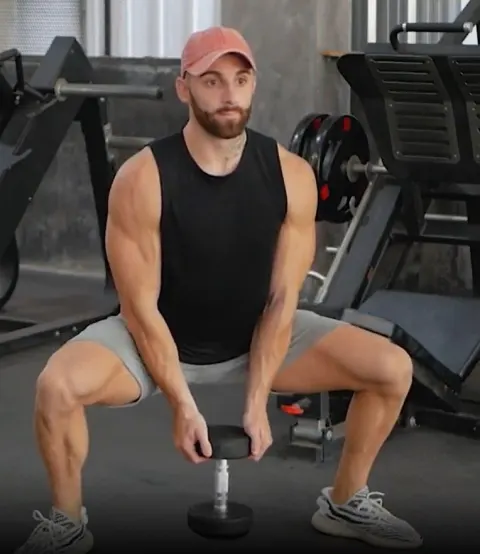
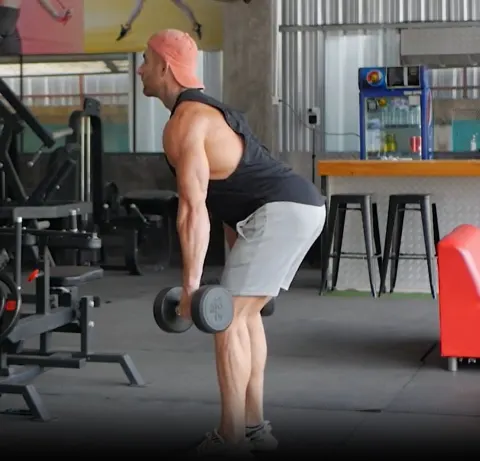
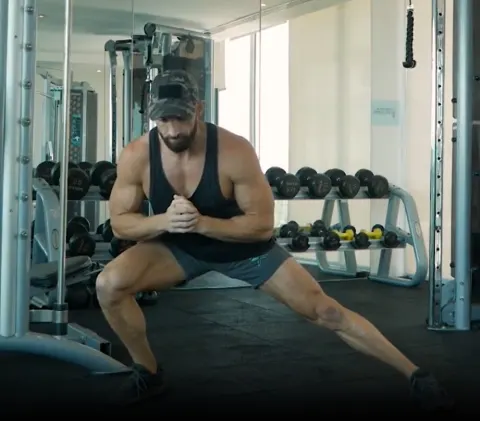
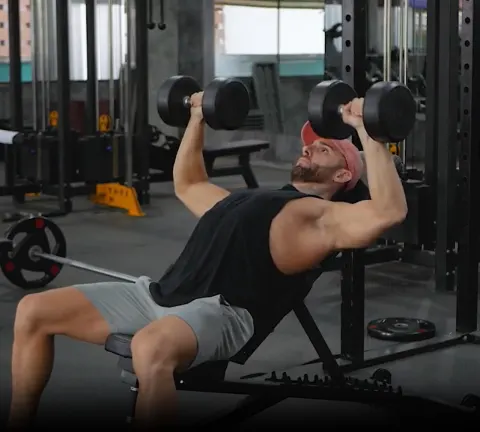
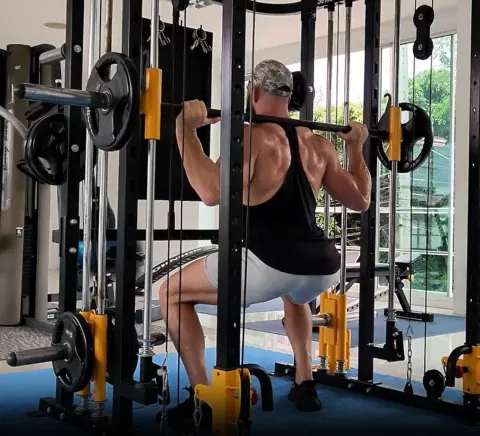
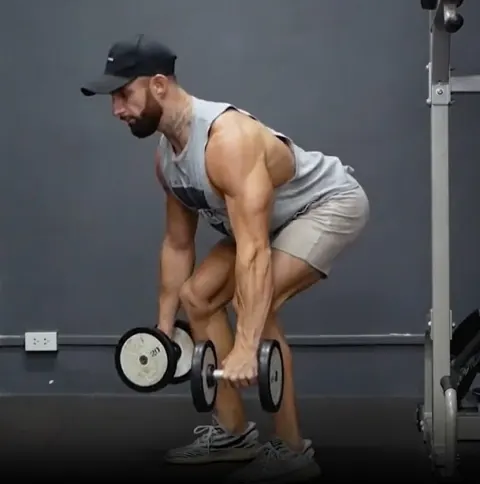
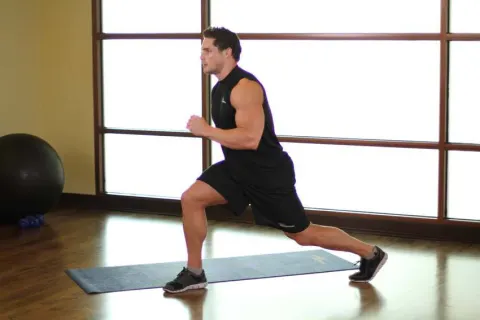

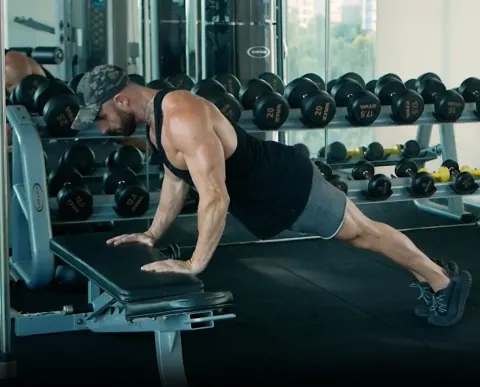
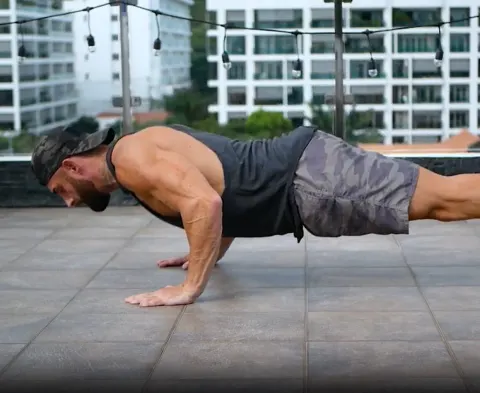
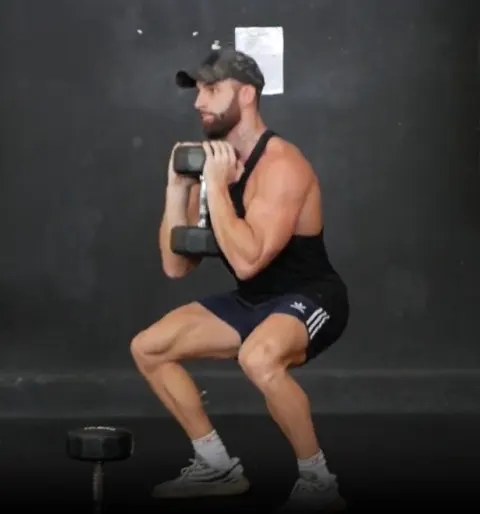
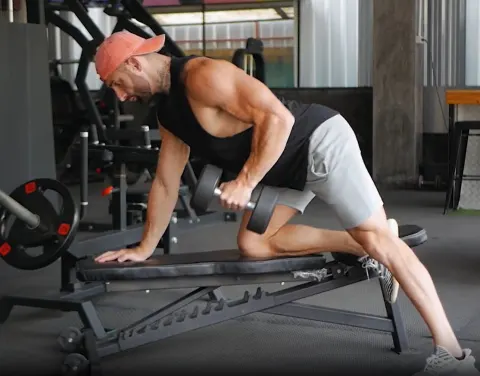
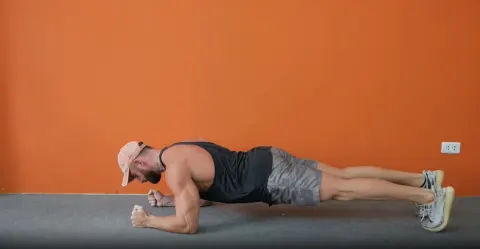
Exercises mentioned
Frequently asked questions
Can you see results from working out in 2 weeks?
You can feel them. After two weeks most beginners lift a little more, recover faster between sets, sleep better and feel less sore. Visible changes in the mirror are unlikely this early, apart from less bloating if your eating has improved too. Two weeks is the stage for building the routine, not judging it.
How long does it take to notice weight loss?
You tend to notice it yourself after losing roughly two to three percent of your body weight, which takes three to six weeks at a steady pace. Other people usually comment a few weeks later. The scale responds within days, but early drops are largely water, so trust the four-week trend.
Why am I working out but not seeing results?
The usual reasons are inconsistent attendance, sets that stop far from real effort, no progression in weight or reps, eating that does not match the goal, and short sleep. A less obvious one is measuring badly: without a log, photos or a tape measure, slow progress is easy to miss entirely.
How long does it take to see muscle definition?
Definition depends on two things at once: enough muscle and low enough body fat. A fairly lean beginner can see clearer shoulders and arms in eight to twelve weeks. Someone with more fat to lose may get stronger for months before definition appears, because the muscle is growing under the surface.
Is working out 3 times a week enough to see results?
Yes. Three well-planned sessions a week is enough for most people to build strength and muscle, improve fitness and support fat loss for the first year or two. Results depend more on effort within those sessions and on never missing several weeks in a row than on adding a fourth or fifth day.