How to Get Rid of Love Handles: An Honest Plan
How to get rid of love handles: why side fat is stubborn, what oblique exercises can and cannot do, and a 12-week plan built on diet, lifting and walking.
You get rid of love handles by lowering your overall body fat with a steady calorie deficit, while lifting weights and walking daily so the weight you lose is fat and not muscle. Oblique exercises strengthen the muscles underneath but cannot burn the fat sitting on them. The sides are among the last places to slim down for most people, so expect the process to take two to four months.
What love handles actually are
“Love handles” is the everyday name for the fat that sits over the obliques and spills slightly above the hip bones. It is subcutaneous fat, the pinchable kind, and it is not a separate problem from the rest of your body fat. Tight waistbands make it look worse by pushing the soft tissue up and out, which is where the term “muffin top” comes from.
There is nothing wrong with the muscle underneath. People with strong obliques can still carry fat on their sides, and people with weak ones can have none.
Why the sides are usually last to go
Your body does not empty its fat stores evenly. It follows a personal order set by genetics, sex and hormones, and you cannot edit that order with exercise selection. For many men the lower abdomen and flanks are the first place fat arrives and the last place it leaves. For many women the pattern centres on hips and thighs, with the area just above the hip bone close behind.
This matters for motivation. You can be losing fat at a perfectly good rate and see it in your face, shoulders and upper stomach for weeks before the sides change. That is the plan working, not failing.
The three things that reduce side fat
1. A calorie deficit. Find your maintenance with the TDEE calculator and eat 300–500 kcal under it. That usually gives a loss of 0.5–1 percent of body weight per week, which is a pace you can hold without losing muscle. Keep protein at 1.6–2.2 g per kg of body weight.
2. Strength training. Two to four sessions a week built on squats, hinges, presses and rows. This keeps your muscle while you diet and improves your proportions, which is covered below.
3. Daily walking. 7,000–10,000 steps add meaningful energy use without making you hungrier. The walking calories calculator shows what your own walks are worth.
Two habits make all three easier. Sleep seven hours or more, because tired people snack more and move less. And look honestly at alcohol: a few drinks most evenings can add up to a full day of food each week, and it tends to arrive with late-night eating.
The broader picture is in workouts for weight loss. Everything else in this guide is detail.
What oblique training is good for
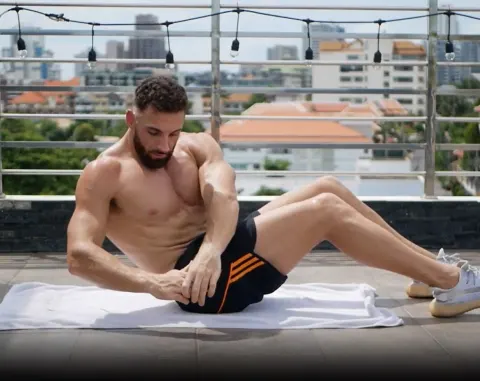
Training your obliques will not thin your sides, but it is still worth ten minutes twice a week. Strong obliques resist twisting and side-bending under load, which protects your lower back and makes carries, squats and overhead presses more stable. Once you are leaner, they also give the waist a firmer, more defined line.
| Exercise | What it trains | Sets × reps |
|---|---|---|
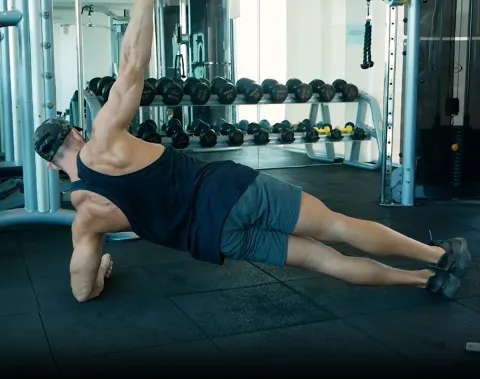
| Side plank | Holding the spine straight against sideways pull | 3 × 20–40 s per side |
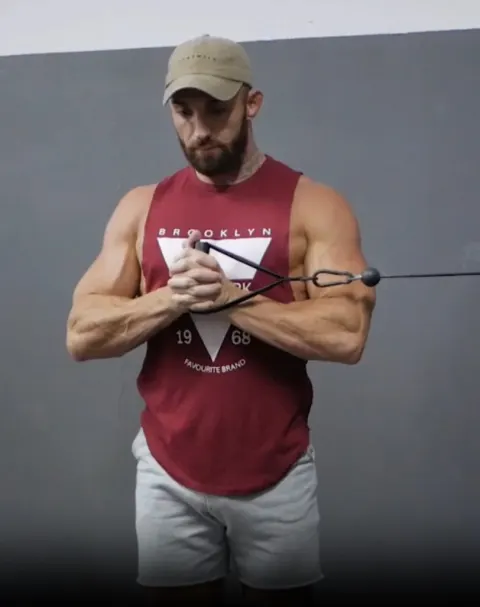
| Pallof press | Resisting rotation | 3 × 8–12 per side |
| Suitcase carry | Staying upright with a load in one hand | 3 × 20–30 m per side |
| Russian twist | Controlled rotation | 2 × 10–15 per side |
Pick two per session. Use the ab workout at the gym if you want a full routine, or follow the 30-day ab challenge for a daily habit at home.
One worry you can drop: moderate oblique work will not make your waist noticeably wider. That takes years of very heavy loading.
Change the frame, not only the fat
Your waist looks narrower when the frame around it is wider. This is the part of the love-handle problem that training really can change.
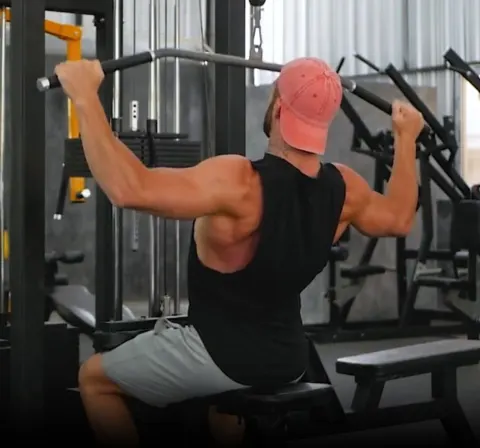
- Upper back and lats. Rows and pulldowns add width above the waist. Try the back workout at the gym.
- Shoulders. Lateral raises and presses build the outer shoulder. The shoulder workout with dumbbells covers it in 30 minutes.
- Glutes. Hip thrusts and split squats build the area below the waist, which improves the line from the side and back.
- Posture. A stronger upper back makes it easier to stand tall, and standing tall stops the midsection folding over the waistband.
None of this replaces fat loss. It does mean the mirror improves faster than the tape measure suggests.
A 12-week plan
| Weeks | Eating | Training | Steps |
|---|---|---|---|
| 1–2 | Track normal intake, then set a 300 kcal deficit | 3 full-body sessions, learn the lifts | Find your baseline, add 1,500 |
| 3–6 | Hold the deficit, hit protein daily | Add weight or reps weekly, obliques twice a week | 7,000–8,000 |
| 7–10 | Adjust by 100–150 kcal only if weight stalls for 3 weeks | Same sessions, optional fourth day | 8,000–10,000 |
| 11–12 | Hold steady, then move to maintenance | Keep lifting exactly as before | Keep the habit |
Training at home with no kit? The home workout plan for weight loss gives you the sessions.
How to measure progress on your sides
- Waist tape at navel level and again five centimetres lower, every two weeks, first thing in the morning.
- Photos from the front, side and back in the same light. The back view shows flank changes before you notice them yourself.
- One pair of fitted trousers. How the waistband sits is a surprisingly honest test.
- Body fat estimate once a month with the body fat calculator.
Daily scale weight is noisy. Compare weekly averages.
What does not work
- Twisting with a broomstick, endless side crunches, vibrating belts. No effect on fat.
- Sauna suits and wraps. You lose water and regain it with your next drink.
- Crash diets. Fast early loss, then lost muscle, low energy and rebound. A moderate deficit is slower and sticks.
- Fat-burner supplements. At best a tiny effect, and not worth the money or the side effects.
The bottom line
Side fat responds to the same things as belly fat: patience, a modest deficit, lifting and steps. Train your obliques for strength, build your back and shoulders for shape, and judge progress across months. If you have a health condition or a history of disordered eating, talk to a doctor before starting a weight-loss diet.
Ready plans for this guide
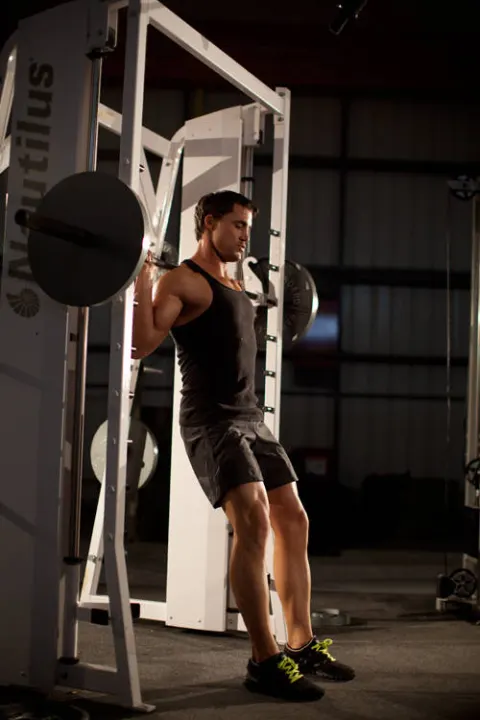
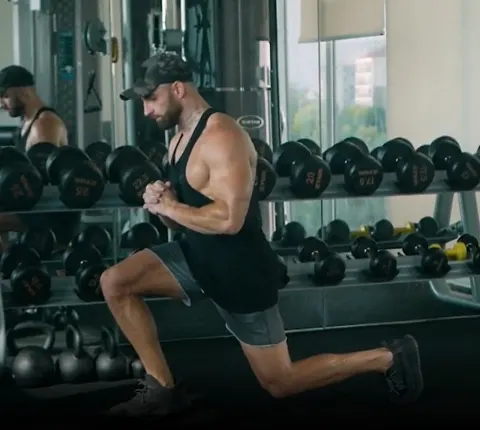
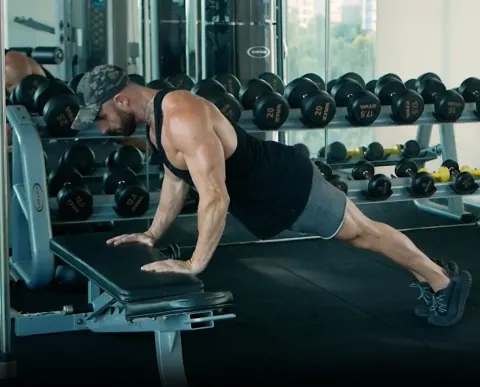
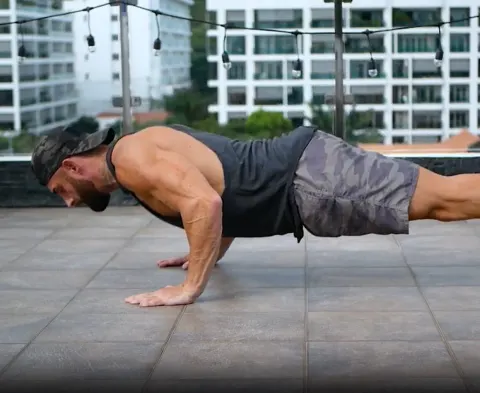
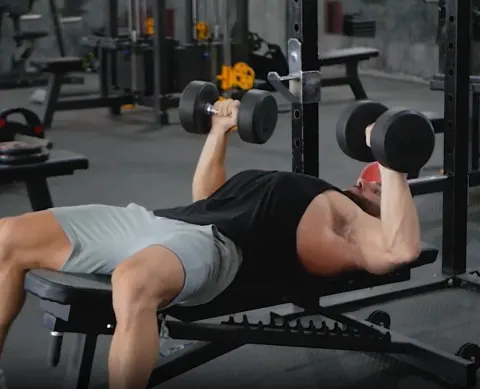
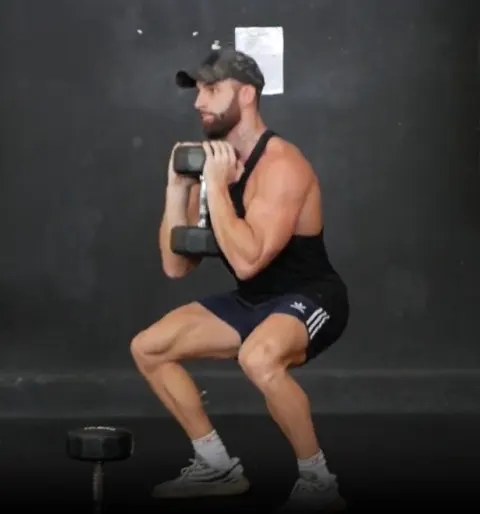
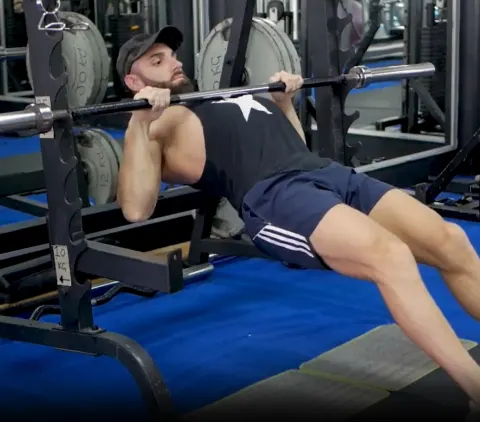
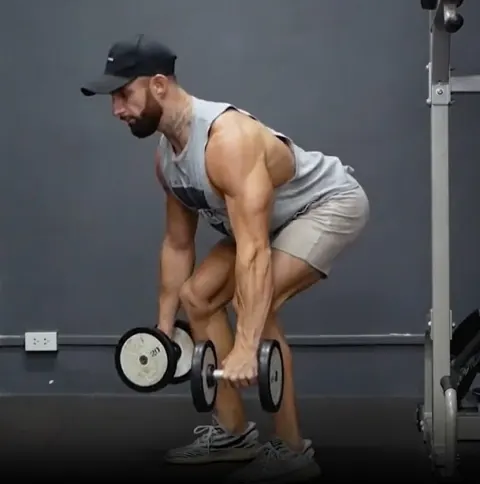
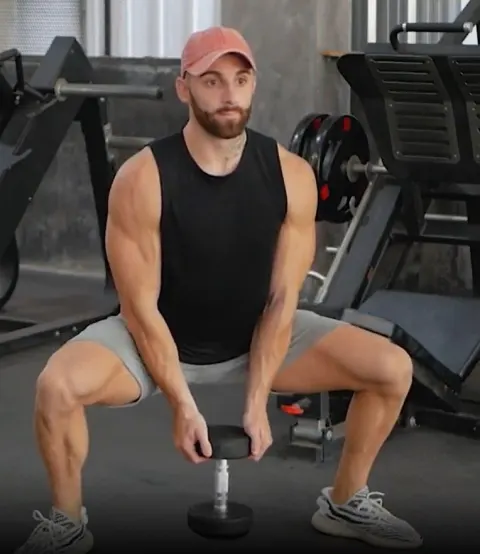
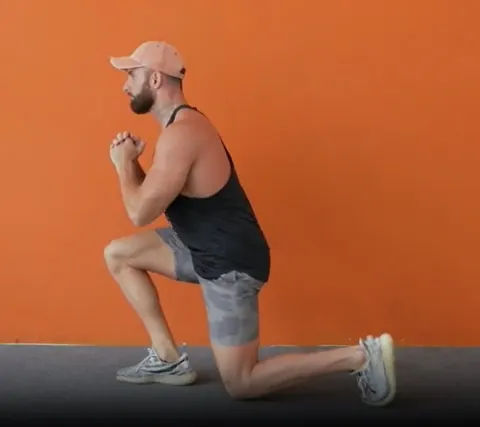
Exercises mentioned
Frequently asked questions
What causes love handles?
Love handles are ordinary body fat stored over the obliques and the top of the hips. They appear when you eat more energy than you use over months or years, and your genetics decide that the flanks are one of your preferred storage sites. Age, low activity, poor sleep and regular alcohol make that storage more likely.
Can you lose love handles with exercise alone?
Rarely. Exercise without any change in eating usually produces small losses, because appetite rises and a workout burns less than people expect. Training matters for keeping muscle and improving shape, but the fat on your sides only shrinks when your weekly energy intake stays below what you burn.
Do side bends get rid of love handles?
No. Side bends train the obliques, the muscles under the fat, and have no special effect on the fat itself. Loaded side bends are fine as a strength exercise, but anti-rotation and carrying movements such as side planks, Pallof presses and suitcase carries train the same muscles with more benefit for posture and lifting.
How long does it take to lose love handles?
Plan for months, not weeks. Someone with five to eight kilograms to lose at a steady half to one percent of body weight per week will usually see the sides shrink noticeably between weeks eight and sixteen. Leaner people chasing the last bit of flank fat often need longer, because that area empties late.
Are love handles harder to lose for men or women?
Both find them stubborn, for slightly different reasons. Men tend to store fat around the waist and flanks first, so there is simply more of it there. Women more often store at the hips and thighs, and the area just above the hip bone can hold on until overall body fat is fairly low.