Training to Failure
Definition: Training to failure means continuing a set until you cannot complete another rep with good form; it is 0 reps in reserve or RPE 10.
Training to failure means continuing a set until you cannot complete another repetition with good form. In effort terms it is 0 reps in reserve or RPE 10. “Technical failure” is the version that matters: the point where form breaks, not the point where the weight physically stops moving regardless of how you lift it.
How we use it in our plans
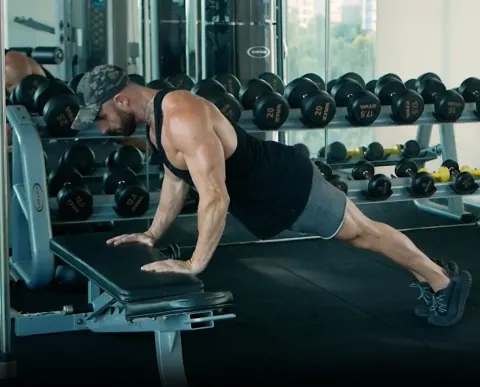
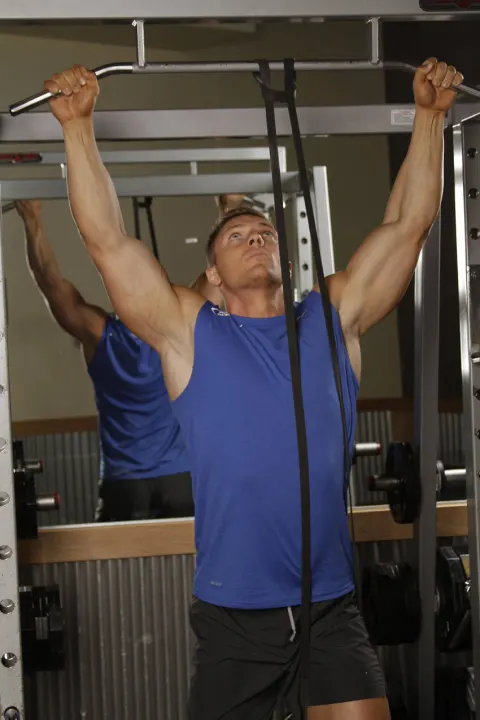
Most working sets in our plans stop at 1–3 RIR, because research shows that gives nearly the same growth as failure with far less fatigue to recover from. Failure has two sanctioned uses. On bodyweight plans like the 3-day no-equipment plan, where you cannot add weight, the final set of push-ups or squats is often written as AMRAP: as many as possible, which means failure. On gym plans like the 4-day muscle-gain plan, the last set of an isolation exercise can go to failure safely. Main lifts never do. The home workout guide explains how to progress bodyweight moves when failure is the only lever.
Worked example
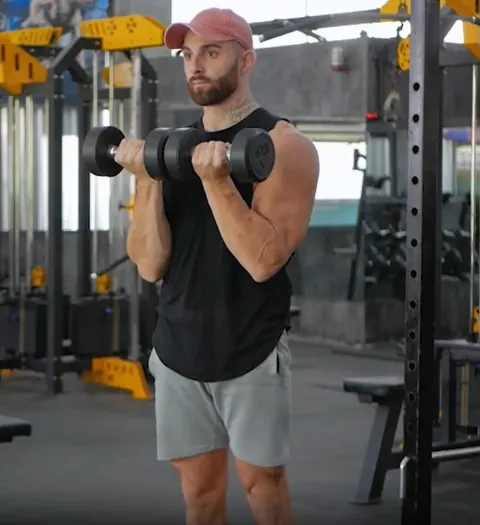
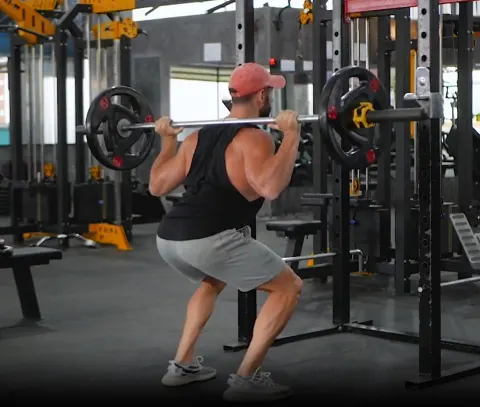
Dumbbell curls 3 × 10–15 with 12 kg: sets one and two stop at 12 reps with two left; set three continues to 14, the bar slows, 15 comes up ugly, 16 does not move. That final set reached failure, which is fine for a curl. The same approach on a back squat would mean a rep you cannot stand up from, so squats stop at 1–2 RIR every set. A push-up AMRAP set ends when your hips sag or your chest stops reaching the floor, not when you collapse.
Common misunderstanding
Failure is not a badge of effort, and avoiding it is not laziness. Every set to failure costs far more recovery than a set with one rep left while adding almost no extra stimulus, so a program full of failure sets forces you to do fewer total hard sets and stalls sooner. The second error is confusing failure with “cannot do another rep in any form”. Half-reps, bouncing and swinging are not reps; the set ended when the form did. Taking too many sets to failure is a classic reason to need an early deload; see the deload guide and sets and reps explained.
Plans that use this


Exercises mentioned

Frequently asked questions
Do you have to train to failure to build muscle?
No. Sets stopped 1–3 reps short of failure build about the same muscle with much less fatigue, so you can do more productive sets across the week. Failure is a tool for the last set of safe exercises, not a requirement.
Which exercises are safe to take to failure?
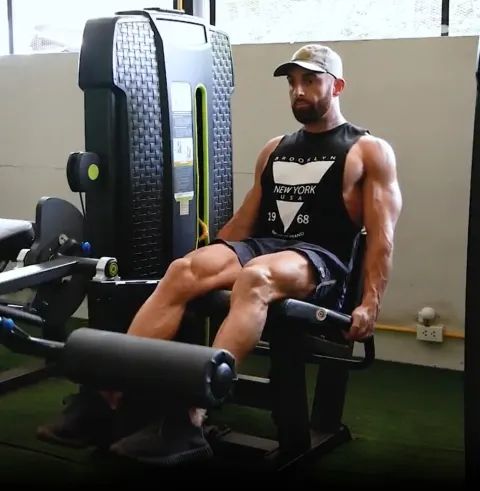
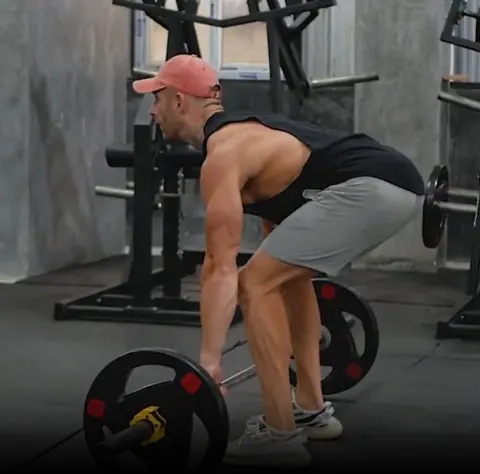
Machine and isolation exercises: leg extensions, curls, lateral raises, cable work, and bodyweight moves like push-ups. Avoid it on squats, deadlifts, bench without a spotter and overhead presses, where failure means a dropped bar or a broken-down back.