Isolation Exercise
Definition: An isolation exercise moves one joint and targets one main muscle, such as a biceps curl, leg extension, lateral raise or calf raise.
An isolation exercise moves a single joint and targets one main muscle. A dumbbell curl moves only the elbow and trains the biceps; a leg extension moves only the knee and trains the quads. Because the load is small and the movement simple, isolation work is where you fill gaps left by compound exercises and where going close to failure is safest.
How we use it in our plans
In every plan the exercises labelled “accessory” at the end of a session are isolation movements, chosen to cover what the compounds under-train: biceps, triceps, side delts, rear delts, calves and sometimes hamstrings. They get the higher rep ranges (10–15 or 12–20), shorter rest (60–90 seconds) and the lowest RIR in the session. Muscle-gain plans with more days, such as the 5-day gym plan for men, carry the most isolation work; a 2-day general fitness plan carries almost none. Choosing a 30-minute session drops the accessories first.
Worked example
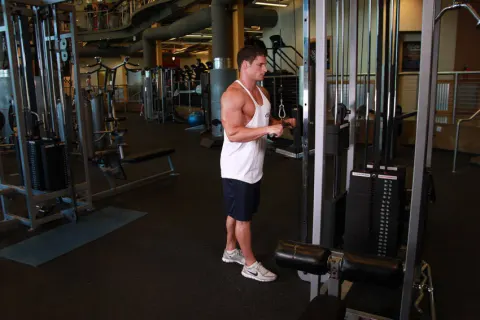
Push day on the 4-day gym plan: bench press and overhead press are the compounds, then lateral raises 3 × 12–15 and triceps pushdowns 3 × 10–15 finish the session. The presses have already worked the triceps and front delts hard; the two isolation exercises add 6 direct sets for the side delts and triceps in about eight minutes, taking the last set of each to 0–1 RIR.
Common misunderstanding
Isolation exercises are not “for toning” or for burning fat from one spot. A muscle gets bigger or stays the same; it cannot be toned, and spot reduction does not exist. They also are not a substitute for compounds: a session built from curls, extensions and raises takes twice as long for a fraction of the stimulus. Their real value is targeting, which is also why they are useful around injuries. If a shoulder cannot tolerate pressing, isolation work keeps the delts training, as the shoulder pain guide shows. See the PPL guide for how isolation work slots into a split.
Plans that use this
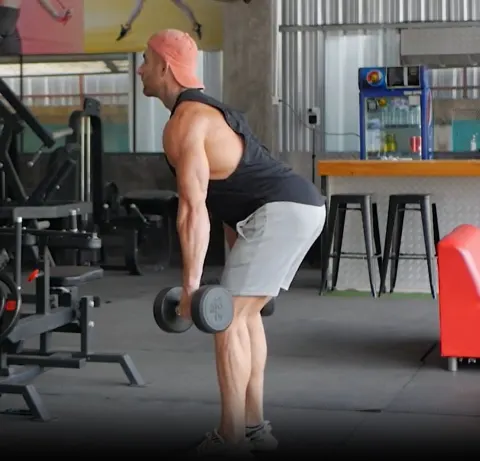
Exercises mentioned
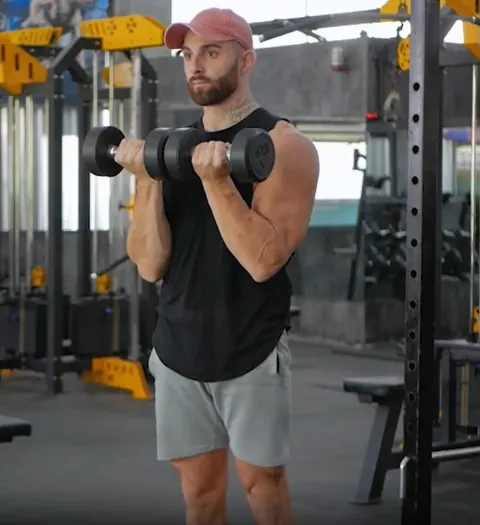
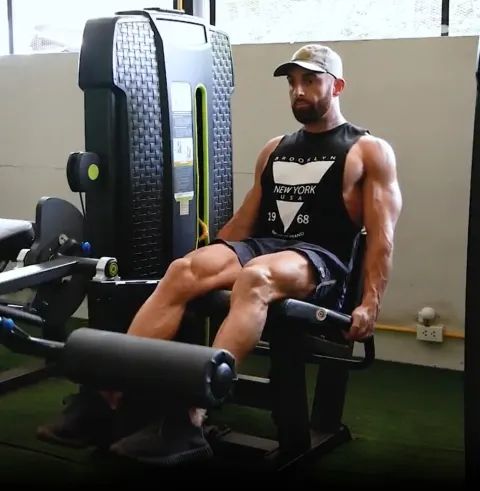
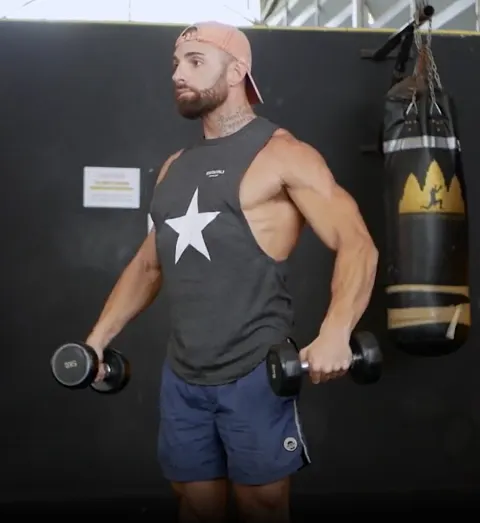
Frequently asked questions
Do I need isolation exercises to build muscle?
Not strictly, but they help. Compounds train the arms, side delts, calves and rear delts only as helpers. A few isolation sets per week bring those muscles up to the same volume as everything else and they are easy to recover from.
How many sets of isolation work per session?
Two or three exercises for 2–3 sets each, after the compounds, in the 10–20 rep range. On our plans these are the exercises labelled accessory at the end of each day.