Compound Exercise
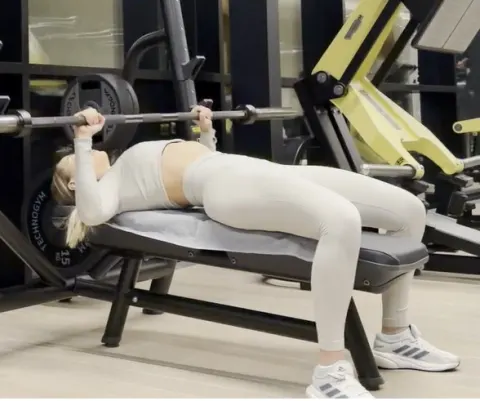
Definition: A compound exercise moves two or more joints and trains several muscle groups at once, such as a squat, deadlift, bench press, row or overhead press.
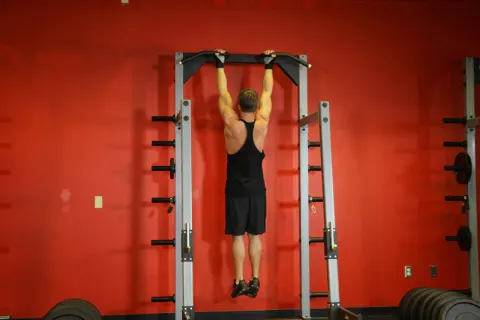
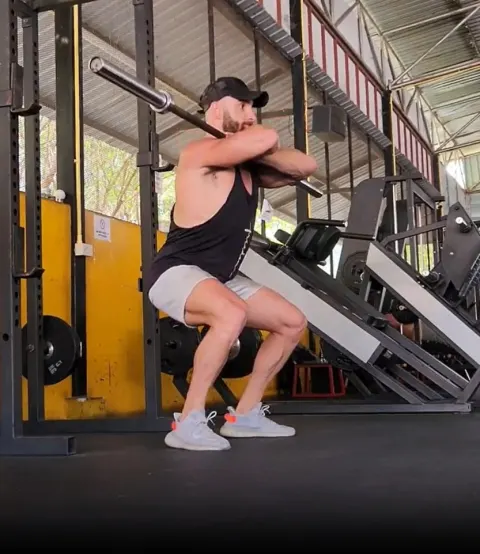
A compound exercise moves two or more joints and trains several muscle groups in one movement. A back squat bends the hips, knees and ankles and loads the quads, glutes, adductors and trunk; a pull-up moves the shoulders and elbows and trains the back, biceps and grip. The opposite is an isolation exercise, which works one joint and one main muscle.
How we use it in our plans
Every session we generate starts with compound exercises, labelled “main” in the plan, and only then moves to accessories. The generator picks one movement from each pattern — squat, hinge, horizontal push, horizontal pull, vertical push, vertical pull — so a 3-day strength plan is almost entirely compounds, and a beginner dumbbell plan uses dumbbell versions of the same patterns. Compounds get the lower rep ranges (5–8 or 6–10), longer rest and the most attention to progression. The beginner guide explains why these six patterns come first.
Worked example
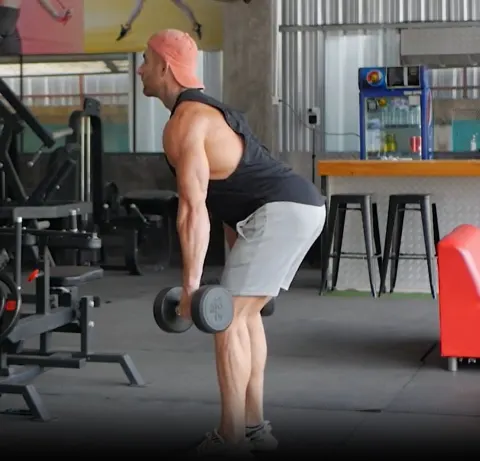
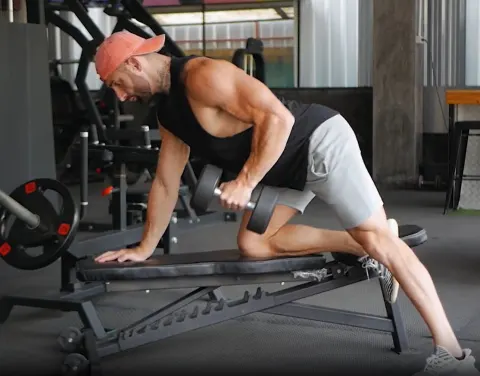
A full-body day built from compounds only: back squat 3 × 6–8, bench press 3 × 6–8, dumbbell row 3 × 8–12, overhead press 3 × 8–12, conventional deadlift 2 × 5. Fifteen sets, about 45 minutes, and every major muscle has been trained hard. The same volume through isolation exercises would take twice the time and still miss the trunk, grip and smaller stabilisers.
Common misunderstanding
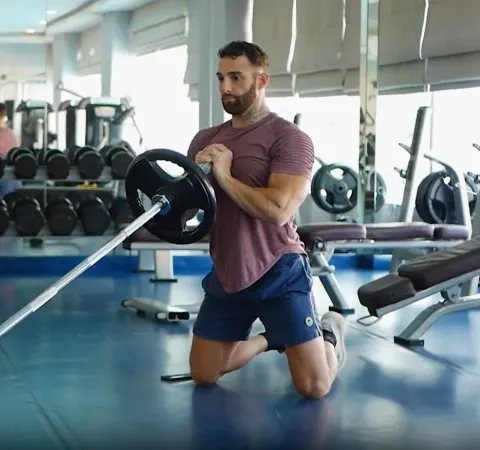
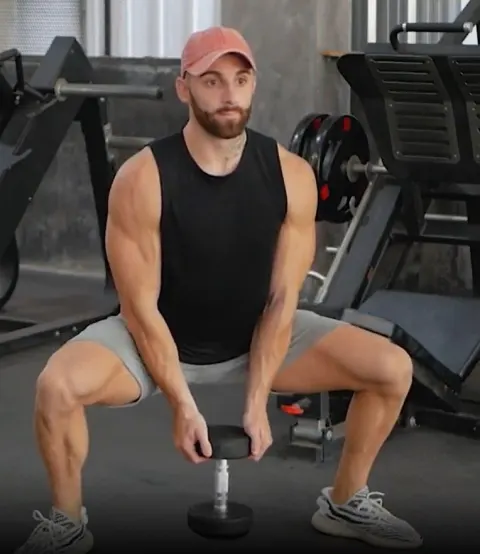
“Compound” is not the same as “barbell” or “heavy”. A push-up, a goblet squat and a band row are all compound exercises, which is why bodyweight and dumbbell plans work. Nor does compound mean you can skip isolation work entirely: compounds train the arms, side delts and calves only indirectly, so a muscle-gain plan adds a few isolation sets to fill the gaps. The dumbbell-only guide shows a complete compound-first setup at home, and sets and reps explained covers how to load each type.
Plans that use this
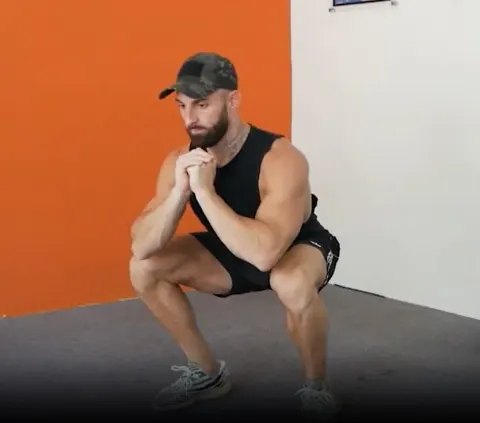
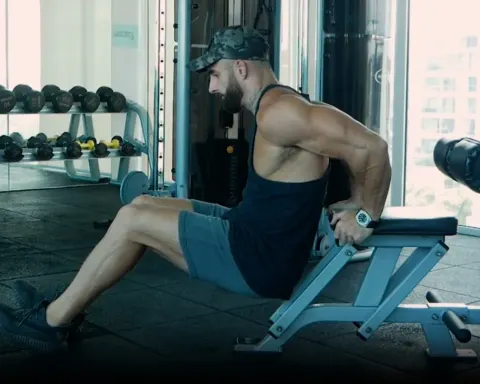
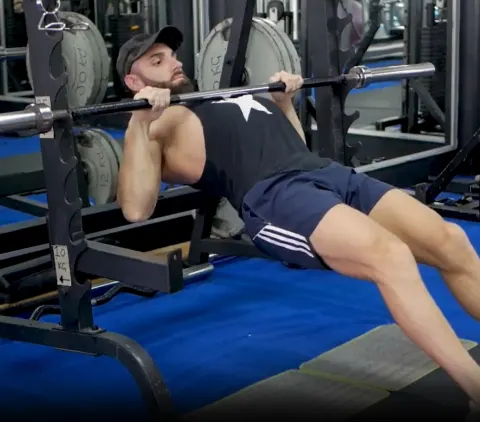
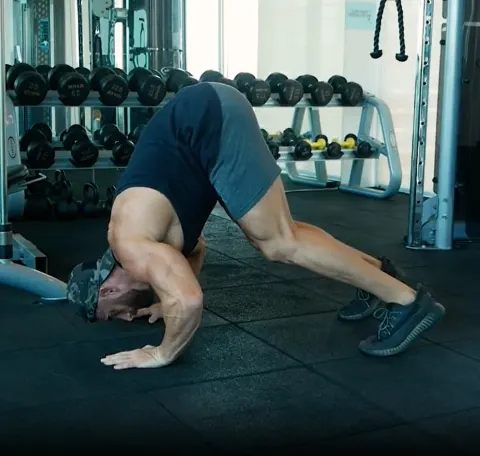
Exercises mentioned
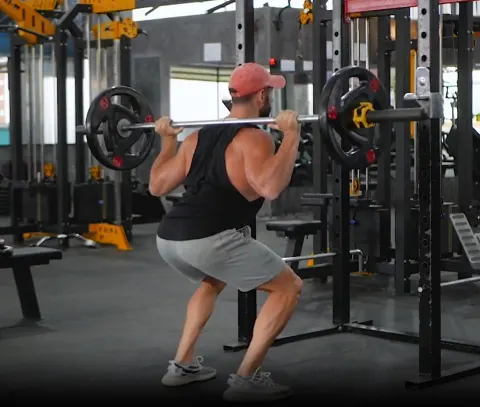 video
intermediate
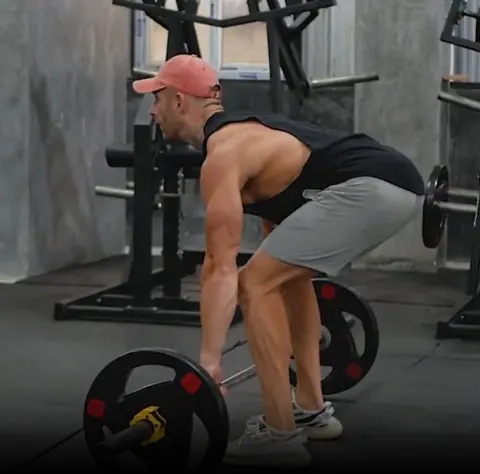 video
intermediate
video
intermediate
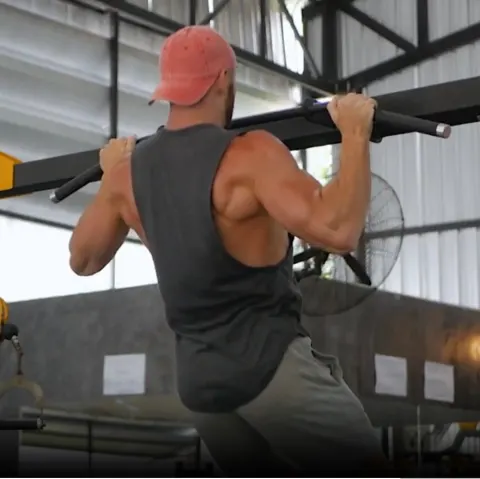 video
intermediate
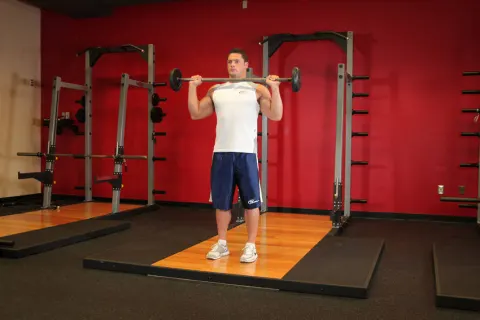 intermediate
 video
beginner
Frequently asked questions
Should beginners only do compound exercises?
Mostly, yes. Five or six compounds cover the whole body in a short session and teach the movement patterns everything else builds on. A couple of isolation exercises for arms, shoulders or calves at the end are fine, but they are the garnish, not the meal.
Are compound exercises better for fat loss?
Per minute, yes: more muscle working means more energy used and more muscle kept while dieting. But fat loss is still decided by the calorie deficit; compounds just make the training side efficient.