Weight Loss Workout Plan for Women: Lift First, Cardio Second
A weight loss workout plan for women: four short upper/lower dumbbell days, a modest calorie deficit and a calmer way to read the scale each month.
Example week
4-Day Dumbbell Workout Plan for Weight Loss (Women)
A complete week you can start today: exercises, sets, reps and rest for every session, with swaps for each exercise. Open this plan on its own page (PDF) →
Split
Upper / Lower
Sessions / week
4
Avg. session
39 min
Schedule
Mon · Tue · Thu · Fri
Warm-up (every session, ~6 min)
- 3–5 min easy cardio: brisk walk, bike, jump rope or marching in place.
- Dynamic mobility: 10 leg swings each way, 10 hip circles, 10 arm circles, 8 cat-cows.
- Ramp-up sets on the first exercise: 1–2 light sets of 8 before your working sets.
Day 1
Upper A
Chest + back, strength bias
-
Chest, Triceps · Dumbbell
- Sets
- 2
- Reps
- 8–12
- Rest
- 75s
- Effort
- RPE 7–8
-
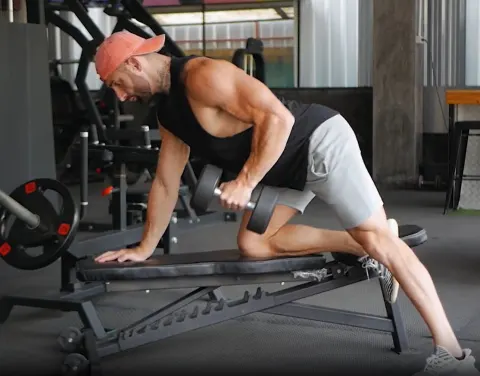
Upper Back, Lats · Dumbbell
- Sets
- 2
- Reps
- 8–12
- Rest
- 75s
- Effort
- RPE 7–8
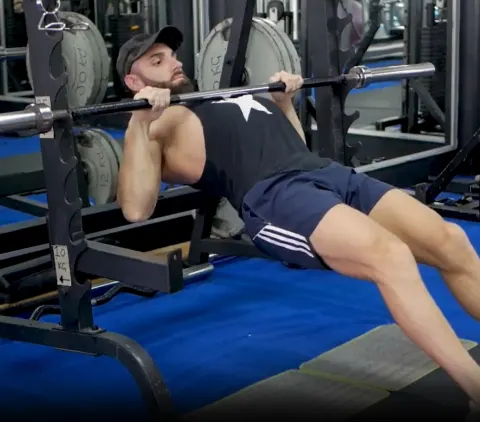
swap: Dumbbell Row, Inverted Row, Rear Delt Fly
-
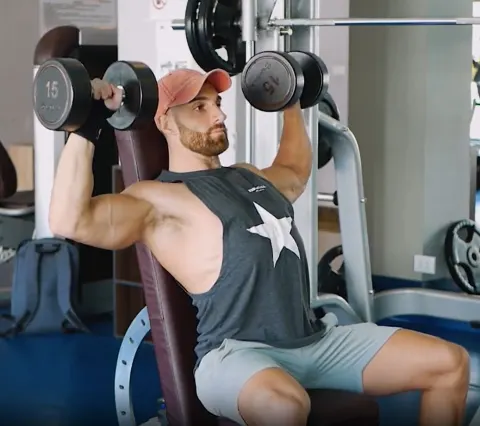
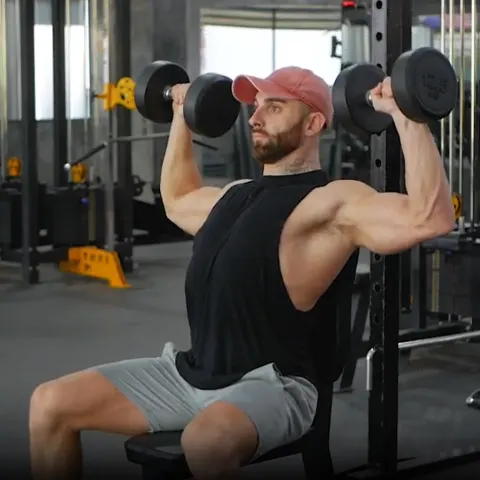
Front Delts, Side Delts · Dumbbell
- Sets
- 2
- Reps
- 10–15
- Rest
- 60s
- Effort
- RPE 7–8
-
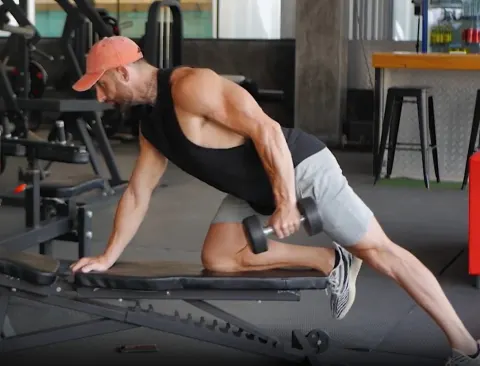
Lats, Upper Back · Dumbbell
- Sets
- 2
- Reps
- 10–15 / side
- Rest
- 60s
- Effort
- RPE 7–8
-
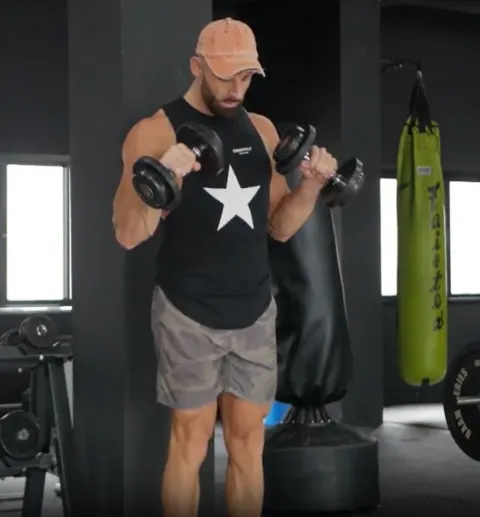
Forearms, Biceps · Dumbbell
- Sets
- 3
- Reps
- 12–15
- Rest
- 45s
- Effort
- RPE 8
swap: Hammer Curl, Wrist Curl, Dumbbell Curl
-
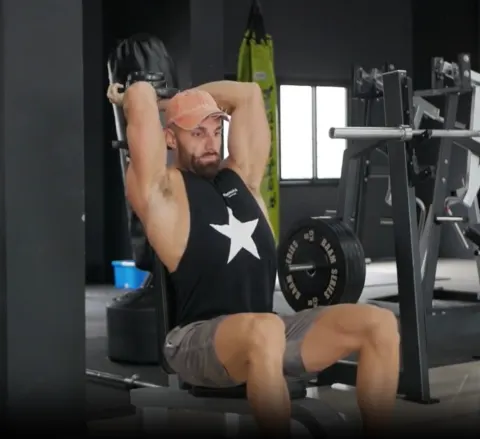
Triceps · Dumbbell
- Sets
- 3
- Reps
- 12–15
- Rest
- 45s
- Effort
- RPE 8
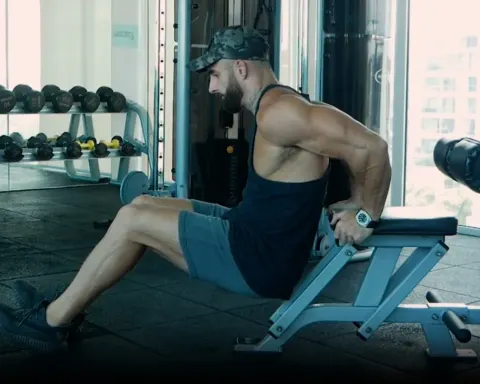
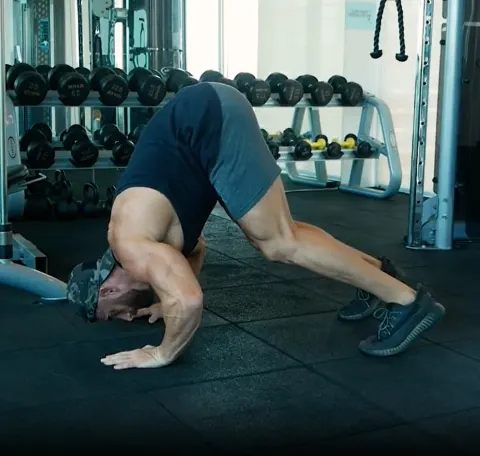
swap: Bench Dip, Dumbbell Kickback, Bodyweight Triceps Extension
-
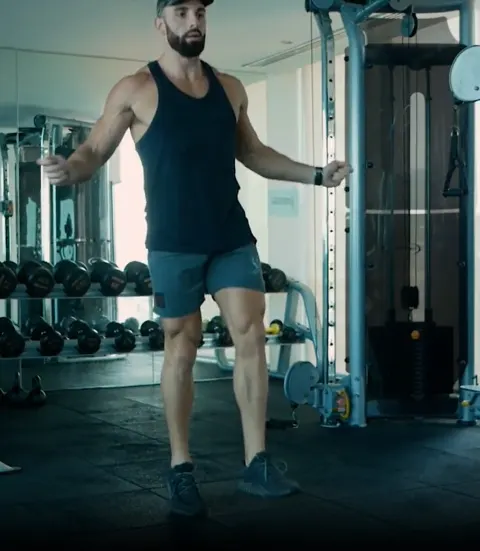
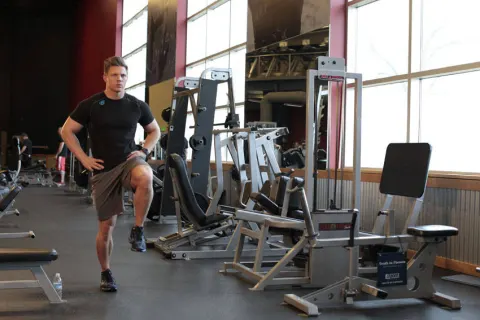
Calves · Bodyweight
- Sets
- 6
- Reps
- 30 sec on / 30 sec off
- Rest
- 30s
- Effort
- hard but steady
Day 2
Lower A
Squat focus
-
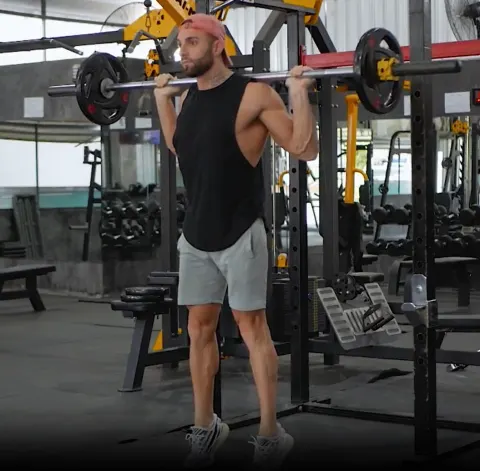
Glutes, Adductors, Quads · Dumbbell
- Sets
- 2
- Reps
- 8–12
- Rest
- 75s
- Effort
- RPE 7–8
-
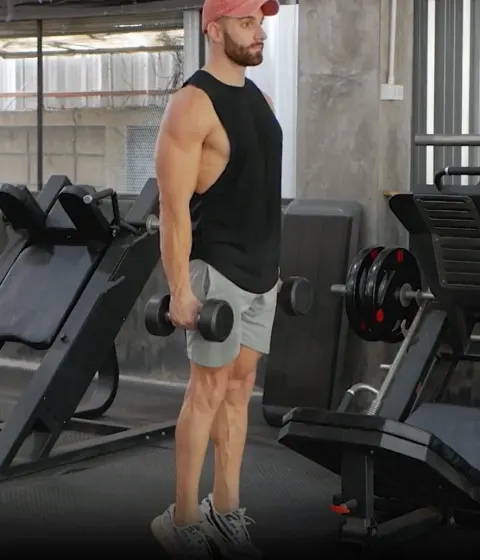
Hamstrings, Glutes · Dumbbell
- Sets
- 2
- Reps
- 10–15
- Rest
- 60s
- Effort
- RPE 7–8
-
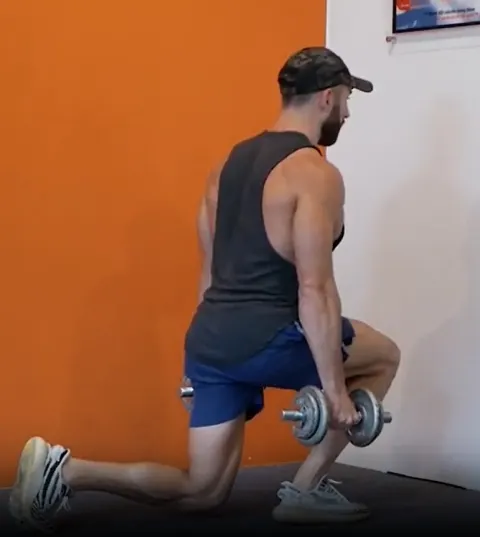
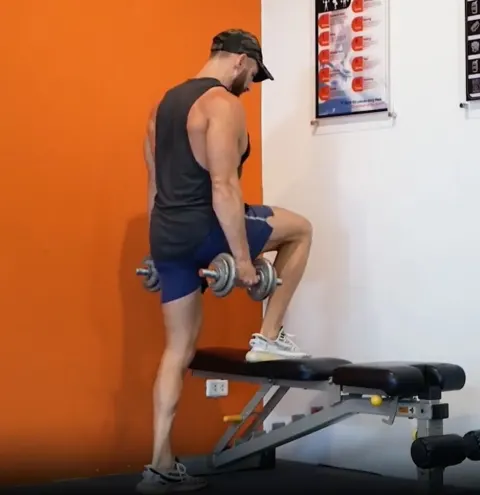
Quads, Glutes · Dumbbell
- Sets
- 2
- Reps
- 10–15 / side
- Rest
- 60s
- Effort
- RPE 7–8
swap: Reverse Lunge, Split Squat, Step-Up
-
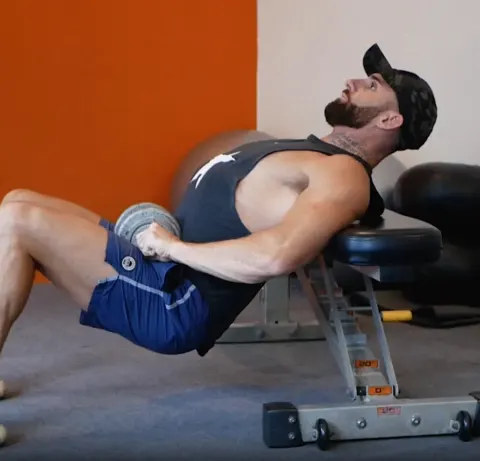
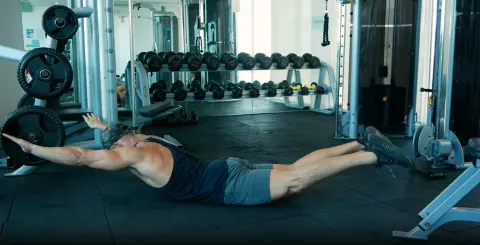
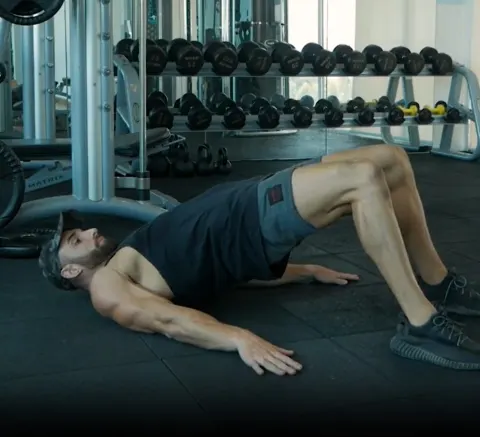
Lower Back, Glutes · Bodyweight
- Sets
- 3
- Reps
- 15–20
- Rest
- 45s
- Effort
- controlled
swap: Bird Dog, Glute Bridge, Plank
-
Full Body · Bodyweight
- Sets
- 6
- Reps
- 30 sec on / 30 sec off
- Rest
- 30s
- Effort
- hard but steady
swap: High Knees, Jump Rope, Shadow Boxing

Day 3
Upper B
Shoulders + back, volume bias
-
Upper Back, Lats · Bodyweight
- Sets
- 2
- Reps
- 8–12
- Rest
- 75s
- Effort
- RPE 7–8
-
Front Delts, Side Delts · Dumbbell
- Sets
- 2
- Reps
- 8–12
- Rest
- 75s
- Effort
- RPE 7–8
-
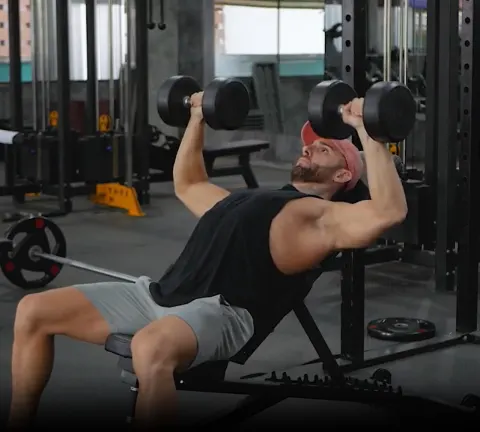
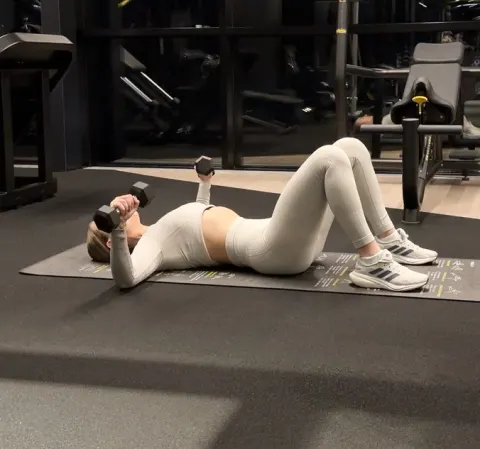
Chest, Front Delts · Dumbbell
- Sets
- 2
- Reps
- 10–15
- Rest
- 60s
- Effort
- RPE 7–8
-
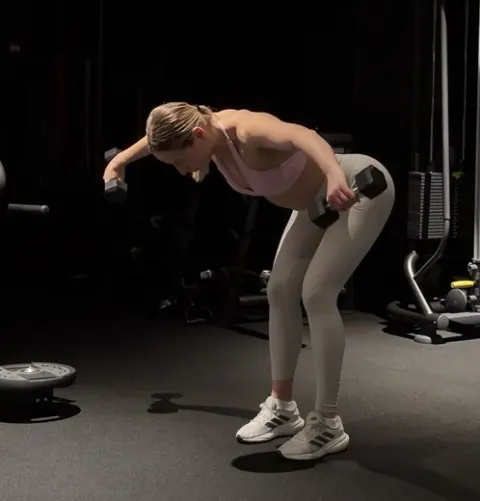
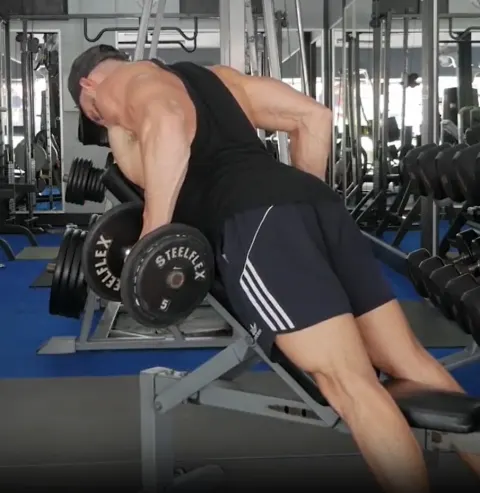
Rear Delts, Upper Back · Dumbbell
- Sets
- 2
- Reps
- 10–15
- Rest
- 60s
- Effort
- RPE 7–8
-
Traps · Dumbbell
- Sets
- 3
- Reps
- 12–15
- Rest
- 45s
- Effort
- RPE 8
-
Triceps · Dumbbell
- Sets
- 3
- Reps
- 12–15 / side
- Rest
- 45s
- Effort
- RPE 8
swap: Overhead Triceps Extension, Bench Dip, Bodyweight Triceps Extension
-
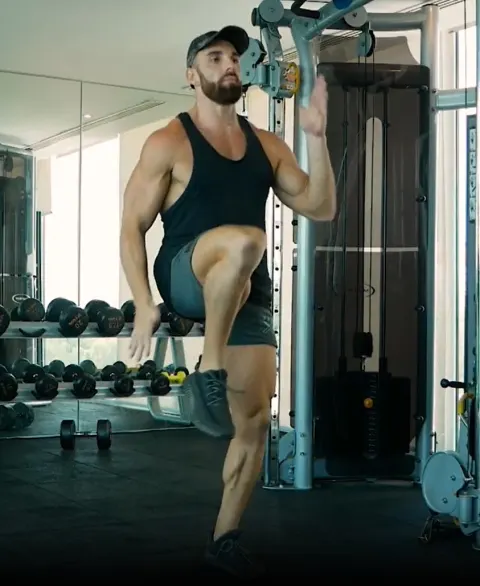
Hip Flexors, Quads · Bodyweight
- Sets
- 6
- Reps
- 30 sec on / 30 sec off
- Rest
- 30s
- Effort
- hard but steady
swap: Jumping Jack, Mountain Climber, Jump Rope

Day 4
Lower B
Hinge focus
-
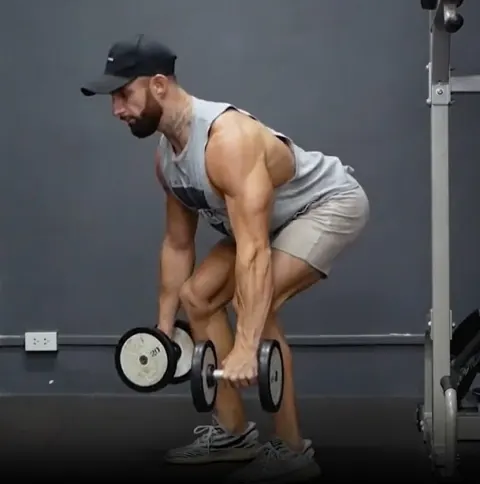
Hamstrings, Glutes · Dumbbell
- Sets
- 2
- Reps
- 8–12
- Rest
- 75s
- Effort
- RPE 7–8
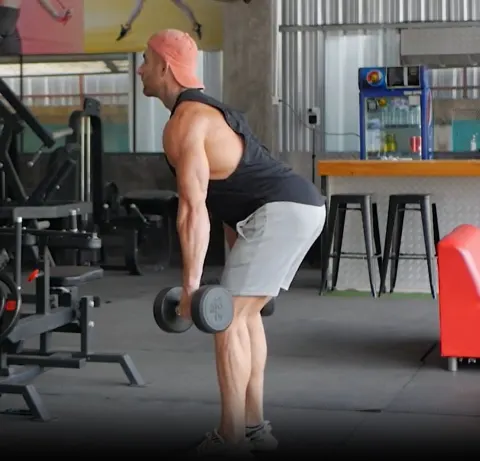
swap: Bodyweight Hip Hinge, Dumbbell Deadlift, Bodyweight Good Morning
-
Quads, Glutes · Dumbbell
- Sets
- 2
- Reps
- 10–15
- Rest
- 60s
- Effort
- RPE 7–8
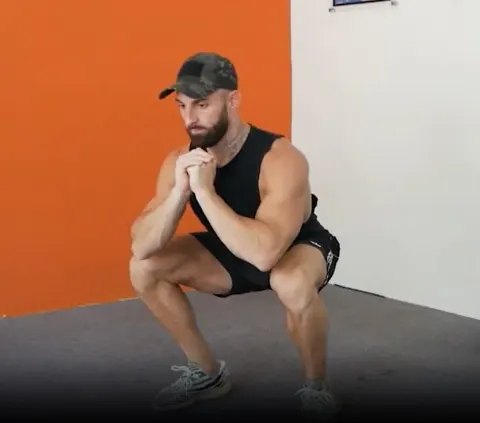
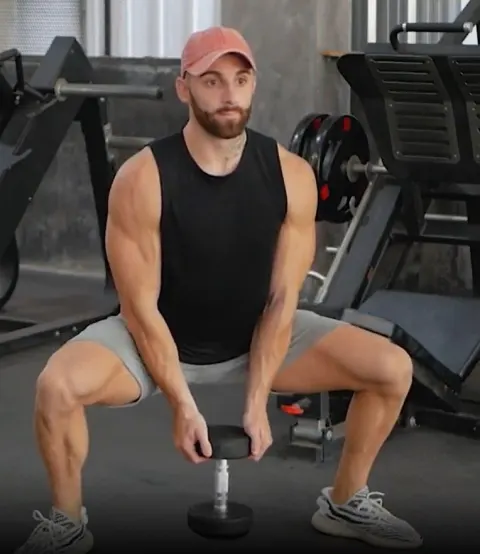
swap: Bodyweight Squat, Dumbbell Squat, Sumo Squat
-
Hamstrings, Glutes · Bodyweight
- Sets
- 3
- Reps
- 12–15
- Rest
- 45s
- Effort
- RPE 8
swap: Glute Bridge, Standing Calf Raise
-
Calves · Bodyweight
- Sets
- 3
- Reps
- 12–15
- Rest
- 45s
- Effort
- RPE 8
-
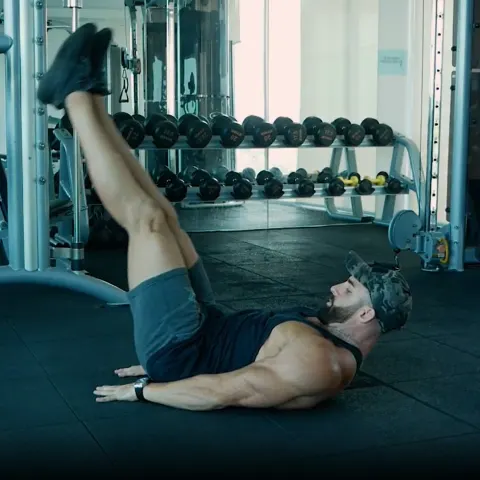
Core, Hip Flexors · Bodyweight
- Sets
- 3
- Reps
- 15–20
- Rest
- 45s
- Effort
- controlled
swap: Reverse Crunch, Dead Bug, Flutter Kick
-
Full Body · Bodyweight
- Sets
- 6
- Reps
- 30 sec on / 30 sec off
- Rest
- 30s
- Effort
- hard but steady
swap: High Knees, Jump Rope, Shadow Boxing
8-week progression: what to change each week
Same exercises for the whole block. Weeks move the reps, then the load; the last week is a deload.
| Week | Load | Reps | Effort | What to watch |
|---|---|---|---|---|
| 1 | Light: learn the movements | bottom of range (8) | RPE 6–7 | Stop every set 3 reps before failure; film one set per exercise to check form. |
| 2 | Same weight | +1 rep per set (10) | RPE 7–8 | Same exercises, same order; only the reps move. |
| 3 | Same weight | top of range (12) | RPE 8 | All sets at the top of the range → add load next week. Missed a set? Repeat the week. |
| 4 | next dumbbell / harder variation | bottom of range (8) | RPE 7–8 | New weight feels hard at low reps; that is the plan working. |
| 5 | Same weight | +1 rep per set (10) | RPE 8 | Shave 10 s off every rest period. |
| 6 | Same weight | top of range (12) | RPE 8 | Second time at the top: take the last set of each main lift to 1 rep in reserve. |
| 7 | next dumbbell / harder variation | bottom of range (8) | RPE 8 | Bodyweight moves: slow the lowering phase to 3 s or move to the harder variation. |
| 8 | Deload: 60 % | bottom of range | RPE 5–6 | Half the sets, then regenerate a variation or change the split for the next block. |
How to progress
- First 2 weeks: focus on form with light weights, stop each set 3 reps before failure.
- Rest less, not lift less: shave 10 seconds off rest periods every two weeks until you hit the targets above.
- When all sets reach the top of the range, add weight or reps, never both at once.
- Daily steps matter more than any finisher: aim for 8 000–10 000 on non-training days.
Notes for this plan
- Glute emphasis: hinge and glute work is prioritised; squat deep and drive through the heels.
- Home setup: if a weight gets too light, slow the lowering phase to 3–4 seconds or add a pause at the hardest point.
- Sessions can move between days; keep at least one rest day between hard sessions for the same muscles.
A fat-loss plan has one job on the training side: keep your muscle while a modest calorie deficit removes fat. The example above does it with four short upper/lower dumbbell sessions, a brief finisher after the lifting, and walking on the days in between.
What the lifting does and what the deficit does
Weight comes off because you eat less than you burn. Training decides what that weight is made of. With strength work and enough protein, most of the loss is fat. Without it, a meaningful share is muscle, and you end up lighter but softer.
Keep expectations of the session itself realistic: 45 minutes of lifting burns about 200–350 kcal. Its value is the signal to hold on to muscle. Glute and core exercises build those muscles, but they do not pull fat from the hips or stomach. Fat leaves in an order your body chooses. The guide to what actually matters in workouts for weight loss covers the evidence in more depth.
Why four shorter days suit this goal
| Day | Session | Emphasis | After the lifting |
|---|---|---|---|
| Monday | Upper A | Chest and back | 6 × 30 s on, 30 s off |
| Tuesday | Lower A | Squat first, then hinge and glutes | 6 × 30 s on, 30 s off |
| Wednesday | Rest | Walking | 8,000–10,000 steps |
| Thursday | Upper B | Shoulders and back | 6 × 30 s on, 30 s off |
| Friday | Lower B | Hinge first, then squat, glutes and hamstrings | 6 × 30 s on, 30 s off |
| Weekend | Rest | Walking | 8,000–10,000 steps |
Three full-body days is the generator’s default for fat loss, and it works. The 4-day upper/lower split in the example week above has three advantages when calories are low:
- Each session taxes half the body. Upper days leave the legs alone and lower days spare the shoulders, which is easier to recover from when energy is limited.
- Two lower days. One opens with a squat, the other with a hinge, so glutes and hamstrings get priority twice a week.
- More fixed appointments. Four sessions of about 40 minutes give the week a rhythm, and a week with rhythm drifts less.
Main lifts get 2 sets of 8–12 reps, secondary lifts 2 sets of 10–15, accessories and core 3 sets of 12–20, at RPE 7–8. Anyone training for this goal would use the same ranges.
Sizing the deficit to a smaller body
“Cut 500 kcal” is advice written with a bigger body in mind. For a smaller woman whose maintenance is 1,800 kcal, that is more than a quarter of her food. Work from your own numbers: get maintenance from the TDEE calculator, then set the gap with the calorie deficit calculator.
| Maintenance | Sensible deficit | Daily target | Expected loss |
|---|---|---|---|
| 1,800 kcal | 300 kcal | 1,500 kcal | About 0.3 kg a week |
| 2,000 kcal | 300–400 kcal | 1,600–1,700 kcal | 0.3–0.4 kg a week |
| 2,300 kcal | 400–500 kcal | 1,800–1,900 kcal | 0.4–0.5 kg a week |
If maintenance is under 2,000 kcal, stay at the 300 end and let steps do some of the work. A bigger calorie deficit fails for a mechanical reason: the larger the gap, the faster your lifts fall, and the lifts are what protect the muscle.
Protein is the one number to push up while everything else comes down: 1.6–2.2 g per kg of body weight. At 65 kg that is 104–143 g a day, or about 30 g at each of four meals. The protein intake calculator works it out for your weight.
Reading the scale across your cycle
Fat loss of 0.3–0.5 kg a week is a small signal. Water shifts across the menstrual cycle are often bigger: a scale reading 1–2 kg higher in the days before a period is common, and it drops again within a few days. You can lose fat for three weeks and see nothing on the scale until the fourth.
So change how you measure:
- Weigh daily, or at least three times a week, and record the weekly average.
- Compare like with like: the first week of this cycle against the first week of the last one.
- Measure waist and hips with a tape every two weeks.
- If your cycle is irregular or absent, compare four-week averages instead.
A drop of 1–2 kg between matching weeks means the plan is working. Only when two matching weeks show no change should you trim another 100 kcal or add 2,000 daily steps.
Lifting first, cardio second
Inside a session the weights come first. Fresh muscles lift heavier, and heavy enough is what tells the body to keep its muscle. The finisher takes 6 minutes and goes last. In the week above it is jump rope, jumping jacks or high knees. If jumping does not suit your knees or your neighbours, pick a low-impact alternative from the list under the exercise and keep the 30-second timing.
Across the week the same order applies. The four sessions are fixed, steps come next, and extra cardio is optional: an easy 20–30 minutes once or twice a week is fine if you enjoy it. The walking calorie tool shows what your daily steps are worth.
Progress looks different in a deficit. Add weight or reps, never both in the same week. Say Lower B opens with a dumbbell Romanian deadlift and you manage 12 kg dumbbells for 10 and 9. Next week aim for two sets of 10. When both sets reach 12, take the 14 kg pair and return to 8.
Every two weeks, shave 10 seconds off the rests until main lifts sit at 75 seconds and accessories at 45. Late in a cut, simply repeating last month’s numbers is a win. Week 8 is a deload with about 60 % of the load and half the sets.
Mistakes that stall fat loss
- Borrowing someone else’s calorie target. A number from an app or a friend ignores your size. Calculate your own.
- Swapping loads for “fat-burning” circuits. Thirty fast reps with 2 kg dumbbells burn little and protect no muscle.
- Weighing once, on a random day. One reading in the week before a period can hide a month of progress.
- Adding cardio after every flat week. Check the matching week of your cycle first.
- Cutting protein along with calories. It is the one thing that should go up.
How long to run it and where to go next
Run the plan for 8–12 weeks, then bring food back to maintenance for at least two weeks and keep lifting. The saved build of the example is the 4-day dumbbell plan for weight loss for women. If four days is one too many, the 3-day dumbbell version covers the same ground with full-body sessions. With gym access, the 4-day gym plan for weight loss for women swaps in machines and cables.
For the wider picture of training, steps and plateaus, read the main weight loss workout plan. For dumbbell choices and glute work in a living room, see the home workout plan for women. When the cut is over, the general workout plan for women helps you pick a muscle or fitness goal.
Weight Loss Workout Plan for Women: all 22 plans
- 2-Day Gym Workout Plan for Weight Loss (Women)
- 2-Day Kettlebell Workout Plan for Weight Loss (Women)
- 2-Day Resistance Band Workout Plan for Weight Loss (Women)
- 3-Day Gym Workout Plan for Weight Loss (Women)
- 3-Day Kettlebell Workout Plan for Weight Loss (Women)
- 3-Day Resistance Band Workout Plan for Weight Loss (Women)
- 4-Day Gym Workout Plan for Weight Loss (Women)
- 4-Day Kettlebell Workout Plan for Weight Loss (Women)
- 4-Day Resistance Band Workout Plan for Weight Loss (Women)
- 5-Day Gym Workout Plan for Weight Loss (Women)
- 5-Day Kettlebell Workout Plan for Weight Loss (Women)
- 6-Day Dumbbell Workout Plan for Weight Loss (Women)
- 6-Day Gym Workout Plan for Weight Loss (Women)
Related programs
Frequently asked questions
What is the best workout for women to lose weight?
Strength training three or four times a week plus daily walking. Lifting in the 8 to 15 rep range keeps muscle while a calorie deficit removes fat, and 8,000 to 10,000 steps a day adds energy expenditure without draining recovery. Cardio classes are optional extras, not the foundation.
How many calories should a woman eat to lose weight?
It depends on your size and activity, so calculate your maintenance first and subtract 300 to 500 kcal. Smaller or less active women should stay near 300. That pace gives about 0.3 to 0.5 kg a week without the hunger and muscle loss that crash diets bring.
Why does my weight go up before my period?
Hormonal shifts make the body hold more water in the days before a period, often 1 to 2 kg, and the number drops again within a few days. It is not fat. Judge progress by comparing the same week of your cycle from one month to the next.
Should I do cardio or weights first to lose fat?
Weights first. You need fresh muscles to lift loads heavy enough to preserve muscle in a deficit, so cardio goes at the end of the session as a 6-minute interval finisher, or on separate days as walking. The reverse order lowers the quality of every set.
How fast can a woman lose weight with strength training?
Expect roughly 0.3 to 0.5 kg a week, or 1 to 2 kg a month, after the first fortnight, when water changes can distort the number in either direction. Faster loss usually means the deficit is too large to sustain alongside four strength sessions a week.