30-Day Workout Plan: What One Month at Home Can Really Do
A 30-day workout plan you can do at home: four sessions a week, a week-by-week schedule and honest numbers for what one month changes in fat, strength and habit.
Example week
4-Day Bodyweight Workout Plan for Weight Loss
A complete week you can start today: exercises, sets, reps and rest for every session, with swaps for each exercise. Open this plan on its own page (PDF) →
Split
Upper / Lower
Sessions / week
4
Avg. session
39 min
Schedule
Mon · Tue · Thu · Fri
Warm-up (every session, ~6 min)
- 3–5 min easy cardio: brisk walk, bike, jump rope or marching in place.
- Dynamic mobility: 10 leg swings each way, 10 hip circles, 10 arm circles, 8 cat-cows.
- Ramp-up sets on the first exercise: 1–2 light sets of 8 before your working sets.
Day 1
Upper A
Chest + back, strength bias
-
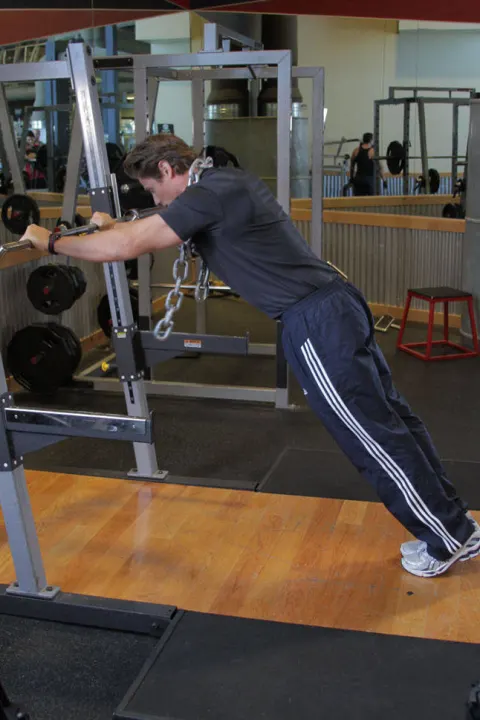
Upper Back, Lats · Bodyweight
- Sets
- 2
- Reps
- 8–12
- Rest
- 75s
- Effort
- RPE 7–8
swap: Doorway Row, Reverse Snow Angel
-
Rear Delts, Upper Back · Bodyweight
- Sets
- 2
- Reps
- 10–15
- Rest
- 60s
- Effort
- RPE 7–8
swap: Prone Y Raise, Doorway Row, Inverted Row
-
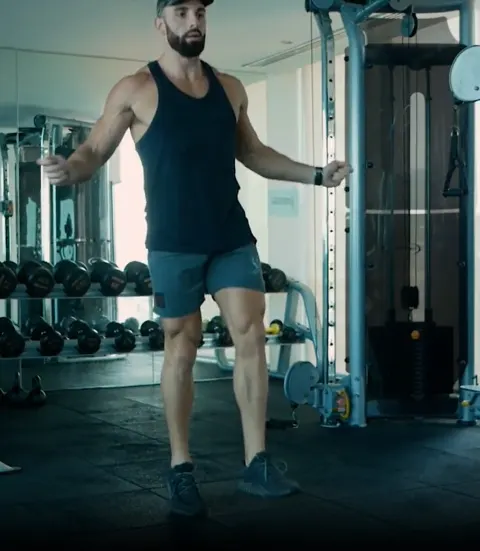
Calves · Bodyweight
- Sets
- 6
- Reps
- 30 sec on / 30 sec off
- Rest
- 30s
- Effort
- hard but steady
Day 2
Lower A
Squat focus
-
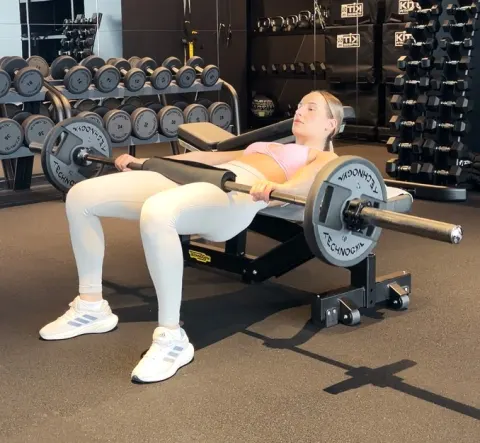
Hamstrings, Glutes · Bodyweight
- Sets
- 2
- Reps
- 10–15
- Rest
- 60s
- Effort
- RPE 7–8
swap: Glute Bridge, Bodyweight Good Morning, Single-Leg Hip Hinge
-
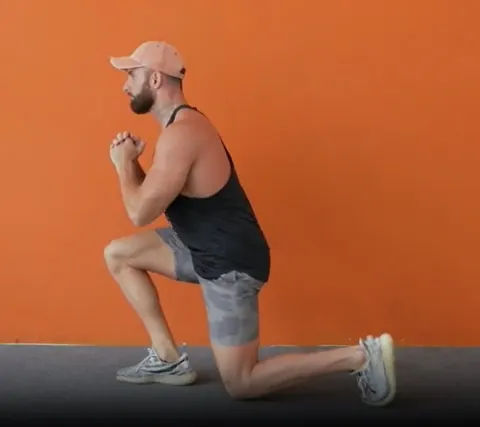
Quads, Glutes · Bodyweight
- Sets
- 2
- Reps
- 10–15 / side
- Rest
- 60s
- Effort
- RPE 7–8
swap: Split Squat, Step-Up, Forward Lunge
-
Core, Hip Flexors · Bodyweight
- Sets
- 3
- Reps
- 30–60 sec
- Rest
- 45s
- Effort
- controlled
swap: Plank Shoulder Tap, High Knees, Bear Crawl
-
Hip Flexors, Quads · Bodyweight
- Sets
- 6
- Reps
- 30 sec on / 30 sec off
- Rest
- 30s
- Effort
- hard but steady
swap: Jumping Jack, Mountain Climber, Jump Rope
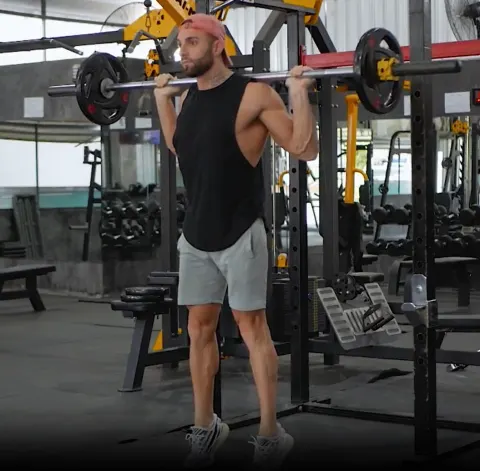
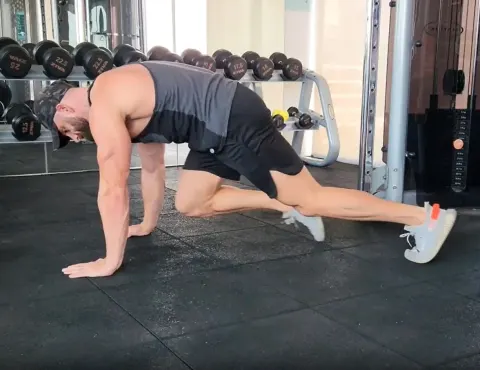
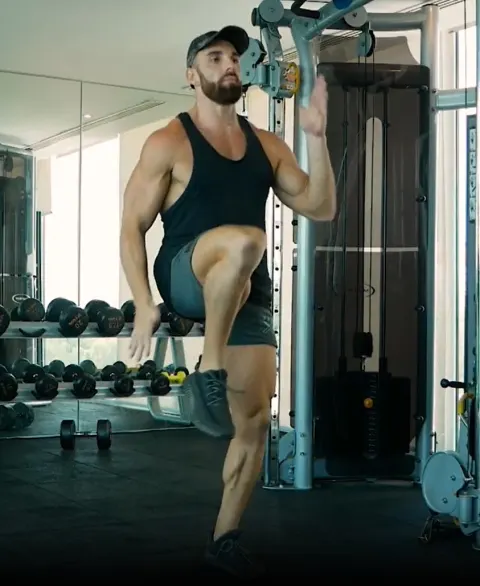
Day 3
Upper B
Shoulders + back, volume bias
-
Upper Back, Lats · Bodyweight
- Sets
- 2
- Reps
- 8–12
- Rest
- 75s
- Effort
- RPE 7–8
swap: Inverted Row, Reverse Snow Angel
-
Upper Back, Lats · Bodyweight
- Sets
- 2
- Reps
- 10–15
- Rest
- 60s
- Effort
- RPE 7–8
swap: Doorway Row, Reverse Snow Angel
-
Calves · Bodyweight
- Sets
- 6
- Reps
- 30 sec on / 30 sec off
- Rest
- 30s
- Effort
- hard but steady

Day 4
Lower B
Hinge focus
-
Hamstrings, Glutes · Bodyweight
- Sets
- 2
- Reps
- 8–12
- Rest
- 75s
- Effort
- RPE 7–8
-
Hamstrings, Glutes · Bodyweight
- Sets
- 3
- Reps
- 12–15
- Rest
- 45s
- Effort
- RPE 8
swap: Glute Bridge, Standing Calf Raise
-
Core, Hip Flexors · Bodyweight
- Sets
- 3
- Reps
- 15–20
- Rest
- 45s
- Effort
- controlled
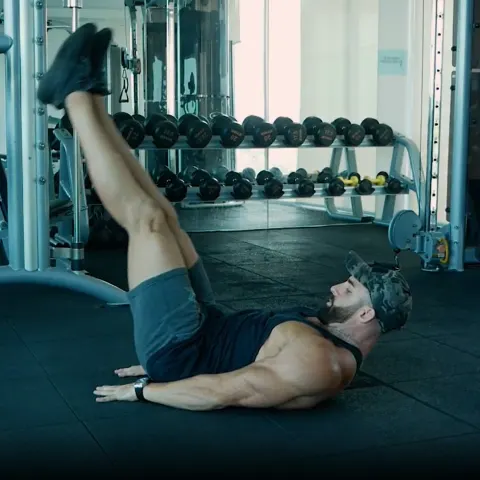
swap: Reverse Crunch, Dead Bug, Flutter Kick
-
Full Body · Bodyweight
- Sets
- 6
- Reps
- 30 sec on / 30 sec off
- Rest
- 30s
- Effort
- hard but steady
swap: High Knees, Jump Rope, Shadow Boxing
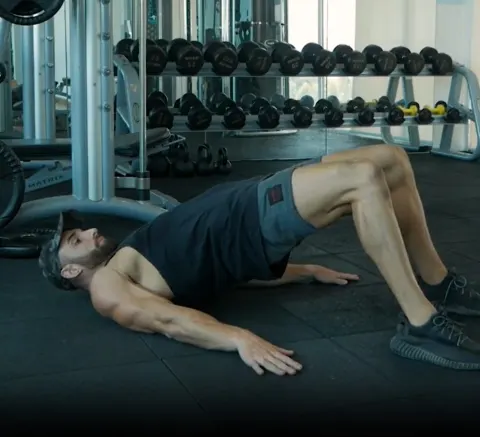

8-week progression: what to change each week
Same exercises for the whole block. Weeks move the reps, then the load; the last week is a deload.
| Week | Load | Reps | Effort | What to watch |
|---|---|---|---|---|
| 1 | Light: learn the movements | bottom of range (8) | RPE 6–7 | Stop every set 3 reps before failure; film one set per exercise to check form. |
| 2 | Same weight | +1 rep per set (10) | RPE 7–8 | Same exercises, same order; only the reps move. |
| 3 | Same weight | top of range (12) | RPE 8 | All sets at the top of the range → add load next week. Missed a set? Repeat the week. |
| 4 | next dumbbell / harder variation | bottom of range (8) | RPE 7–8 | New weight feels hard at low reps; that is the plan working. |
| 5 | Same weight | +1 rep per set (10) | RPE 8 | Shave 10 s off every rest period. |
| 6 | Same weight | top of range (12) | RPE 8 | Second time at the top: take the last set of each main lift to 1 rep in reserve. |
| 7 | next dumbbell / harder variation | bottom of range (8) | RPE 8 | Bodyweight moves: slow the lowering phase to 3 s or move to the harder variation. |
| 8 | Deload: 60 % | bottom of range | RPE 5–6 | Half the sets, then regenerate a variation or change the split for the next block. |
How to progress
- First 2 weeks: focus on form with light weights, stop each set 3 reps before failure.
- Rest less, not lift less: shave 10 seconds off rest periods every two weeks until you hit the targets above.
- When all sets reach the top of the range, add weight or reps, never both at once.
- Daily steps matter more than any finisher: aim for 8 000–10 000 on non-training days.
Notes for this plan
- Home setup: if a weight gets too light, slow the lowering phase to 3–4 seconds or add a pause at the hardest point.
- Sessions can move between days; keep at least one rest day between hard sessions for the same muscles.
Thirty days will not rebuild a body, and any plan that promises it is selling something. A month is still worth taking seriously: it is long enough to lose a visible amount of fat, get clearly stronger and turn exercise from a decision into a routine. The plan above treats the month as the first four weeks of a real programme, not as a challenge that ends on day 30.
What 30 days can and cannot do
| Area | Realistic in 30 days | Not realistic |
|---|---|---|
| Body fat | 1.5–2 kg lost with a daily deficit of 300–500 kcal | Losing 5–10 kg of fat |
| Strength | Main sets go from 8 to 12 reps, then to a harder variation | Doubling what you can lift |
| Muscle | Firmer feel, better posture, little visible size | A visibly more muscular body |
| Fitness | Finishers feel easier, stairs cost less breath | Running a fast 10 km from nothing |
| Habit | 16–18 finished sessions and a fixed slot in the week | Never needing motivation again |
The last row matters most. People who are still training on day 60 get the results that 30-day plans advertise.
How the 30 days are laid out
The example week above is an upper/lower split with no equipment: upper body on Monday and Thursday, lower body on Tuesday and Friday, with Wednesday and the weekend off. Sessions take 35–40 minutes.
Each one starts with the hardest movements for 2 sets of 8–12 reps and 75 seconds of rest, moves to lighter exercises for 10–15 reps with 45–60 seconds of rest, and ends with a 6-minute finisher of 30 seconds of work and 30 seconds of recovery.
Four short days suit a one-month plan for three reasons:
- Frequency builds the habit. Four fixed appointments a week become automatic faster than two long ones.
- Every muscle is trained twice a week, and yesterday’s muscles rest while today’s work.
- Three free days leave room for walking and for life.
Start on a Monday and the calendar gives you 18 sessions: four in each full week, plus days 29 and 30. The full plan, with alternatives under every exercise, is the 4-day no-equipment plan for weight loss.
Week by week
- Week 1, days 1–7: learn. 8 reps on the main movements, every set stopped about 3 reps before failure. Expect muscle soreness, or DOMS, on days 2–4. It is normal and fades by the second week.
- Week 2, days 8–14: add reps. 10 reps per set with the same variations.
- Week 3, days 15–21: top of the range. 12 reps per set. From now on, take 10 seconds off each rest period.
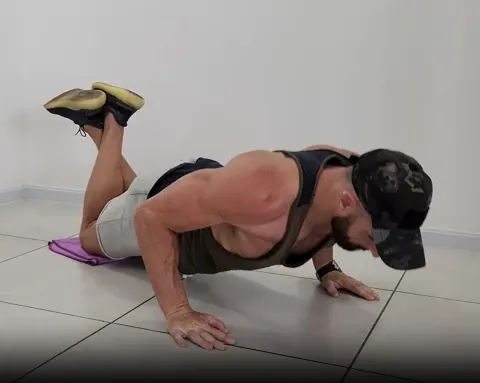
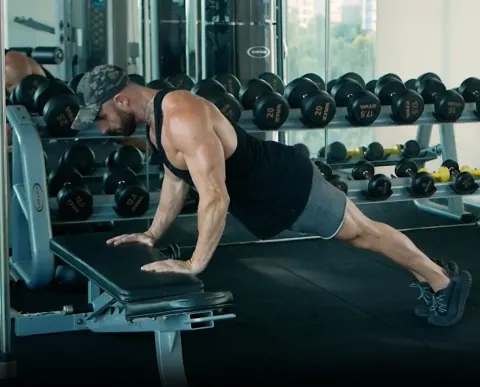
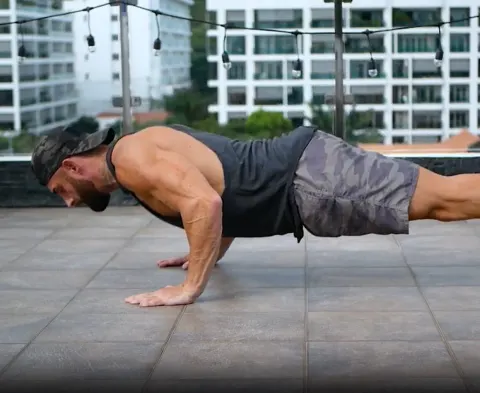
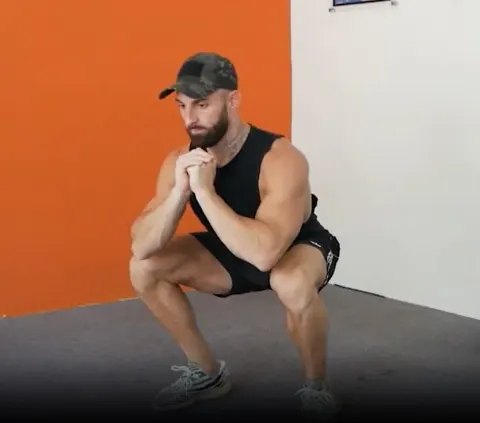
- Week 4, days 22–28: step up. Move to a harder variation where 12 reps felt comfortable and go back to 8. Knee push-ups become full push-ups. Chair squats become free squats. Where no harder version fits, lower each rep for 3 seconds.
- Days 29–30: retest. Repeat sessions one and two and compare them with your notes from the first week.
Write down reps for every set. A month is short, and the logbook is where most of the proof will be.
The days between sessions
A session of this kind burns roughly 200–350 kcal. What you do in the other 23 hours, and on the 12 days without training, decides far more of the monthly total.
- Walk. 8,000–10,000 steps on non-training days matter more than any finisher. The calories burned calculator shows what a daily walk adds up to.
- Sleep at least 7 hours. Short nights make hunger much harder to manage.
- Keep one full rest day. Even in a 30-day plan, a day with nothing but a walk is part of the programme.
Food for one month
Training keeps your muscle. The deficit removes the fat.
- Deficit: 300–500 kcal below maintenance. The calorie deficit calculator turns that into a daily target.
- Protein: 1.6–2.2 g per kg of body weight, spread over the day.
- Weigh in on 3–4 mornings a week and compare weekly averages. Single readings swing by a kilogram with salt and water.
- Do not cut harder for speed. A 30-day crash diet costs muscle, and the weight usually returns soon after.
Making it work in a small flat
The plan needs about 2 × 2 m of floor. Two things need solving at home.
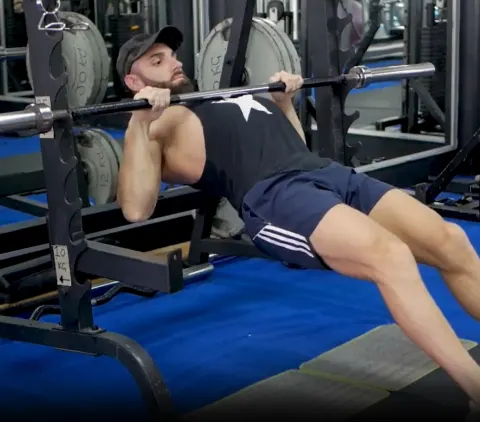
- Rows. Pulling needs something to pull on. The inverted row works under a sturdy table, and a door frame covers the lighter version. Test the table with your full weight first.
- Noise. The finishers in the example week are jump-based. If you have neighbours below, swap them for a quiet alternative such as the step jack, shadow boxing or fast marching on the spot. The interval timing stays the same.
If floor push-ups are out of reach in week 1, use the incline push-up with your hands on a table or sofa.
Mistakes that end 30-day plans early
- Going all out on day 1. Soreness so bad that day 3 is skipped is the most common way a challenge fails.
- Training every single day. Progress comes from recovering from sessions, not from collecting them.
- Relying on exercise alone for fat loss. One pastry cancels a finisher.
- Quitting after a missed day. Do the missed session next and let the schedule slide by a day.
- Judging by one weigh-in. Compare week 4 with week 1, never Tuesday with Monday.
Day 31
The month above is weeks 1–4 of an 8-week wave. Weeks 5–8 repeat the climb at the harder level and end with a light week, as the 8-week workout plan explains. If you would like to plan a full quarter, the 12-week workout plan sets out the blocks.
Other ways to continue:
- Add load. A pair of dumbbells opens the 4-day dumbbell plan for weight loss.
- Train three days. The 3-day no-equipment plan for weight loss fits a busier month.
- Only time for one session? Use the full-body workout at home.
For more on losing fat without a gym, read the home workout plan for weight loss page and our guide to what matters in workouts for weight loss.
30-Day Workout Plan: all 28 plans

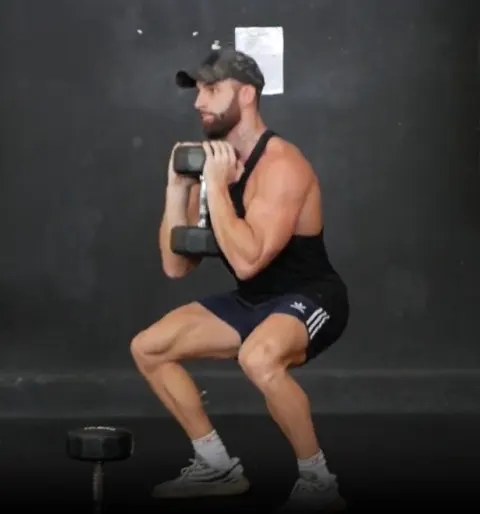
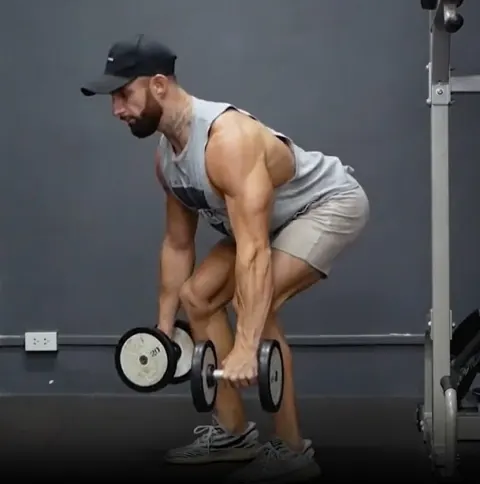
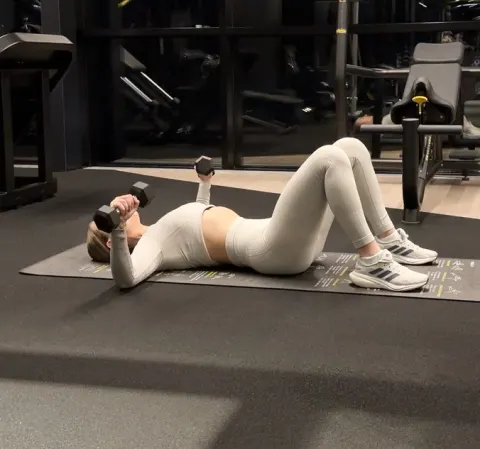
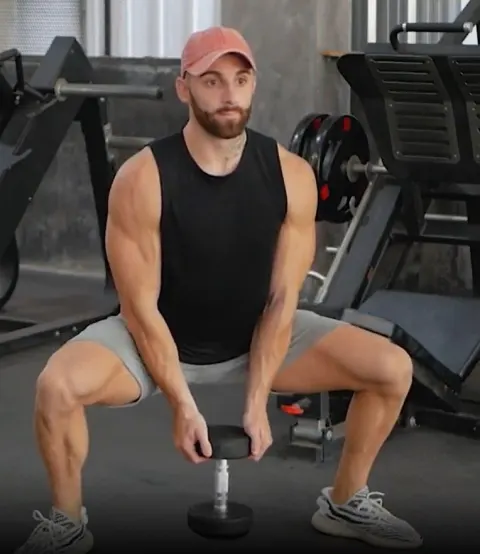
- 4-Day Dumbbell Workout Plan for Weight Loss (Over 50)
- 4-Day Gym Workout Plan for Weight Loss
- 4-Day Gym Workout Plan for Weight Loss (Beginners)
- 4-Day Gym Workout Plan for Weight Loss (Women)
- 4-Day Gym Workout Plan for Weight Loss (Men)
- 4-Day Gym Workout Plan for Weight Loss (Over 50)
- 4-Day Kettlebell Workout Plan for Weight Loss
- 4-Day Kettlebell Workout Plan for Weight Loss (Beginners)
- 4-Day Kettlebell Workout Plan for Weight Loss (Women)
- 4-Day Kettlebell Workout Plan for Weight Loss (Men)
- 4-Day Kettlebell Workout Plan for Weight Loss (Over 50)
- 4-Day Resistance Band Workout Plan for Weight Loss
- 4-Day Resistance Band Workout Plan for Weight Loss (Beginners)
- 4-Day Resistance Band Workout Plan for Weight Loss (Women)
- 4-Day Resistance Band Workout Plan for Weight Loss (Men)
- 4-Day Resistance Band Workout Plan for Weight Loss (Over 50)
- 4-Day Calisthenics Workout Plan for Weight Loss
- 4-Day Calisthenics Workout Plan for Weight Loss (Beginners)
- 4-Day Calisthenics Workout Plan for Weight Loss (Men)
Related programs
Frequently asked questions
Can you get in shape in 30 days?
You can get measurably fitter, though not fully in shape. One month of four weekly sessions is 16 to 18 workouts: enough to add reps to every exercise, move up a variation or two, lose 1 to 2 kg of fat with a sensible diet and make training a routine.
How much weight can you lose in 30 days?
A sustainable pace is 0.3 to 0.5 kg a week, so about 1.5 to 2 kg of fat in a month. The scale often shows an extra 0.5 to 1 kg in the first week, which is water. Faster loss usually means losing muscle as well and regaining the weight afterwards.
Should I work out every day for 30 days?
No. Muscles need about 48 hours between hard sessions, and daily training is the main reason 30-day challenges end in sore joints around day 10. Four strength sessions a week plus a walk on the other days gives better results and is far easier to finish.
Is a 30-day workout plan good for beginners?
Yes, when it starts easy. Use the simplest variation of each exercise in week 1, stop every set about 3 reps before failure and keep sessions under 40 minutes. If four days feel like too much, three full-body days follow the same weekly progression.
What should I do after 30 days?
Carry on with the same plan. Days 31 to 56 complete the 8-week progression: a second climb through the reps, another step up in difficulty and a light final week. After that, add dumbbells or regenerate the plan with new exercises.