Workout Plan for Over 50: Keep Muscle, Bone and Independence
A workout plan for over 50 with low-impact lifts, two sets per move and longer rests. See how to protect muscle and bone, eat enough protein and train 2–4 days.
Example week
3-Day Dumbbell Workout Plan for General Fitness (Over 50)
A complete week you can start today: exercises, sets, reps and rest for every session, with swaps for each exercise. Open this plan on its own page (PDF) →
Split
Full Body
Sessions / week
3
Avg. session
35 min
Schedule
Mon · Wed · Fri
Warm-up (every session, ~6 min)
- 3–5 min easy cardio: brisk walk, bike, jump rope or marching in place.
- Dynamic mobility: 10 leg swings each way, 10 hip circles, 10 arm circles, 8 cat-cows.
- Ramp-up sets on the first exercise: 1–2 light sets of 8 before your working sets.
- Add 2 extra minutes of walking and one slow set of each main movement: joints warm up more slowly after 50.
Day 1
Full Body A
Squat + push + pull
-
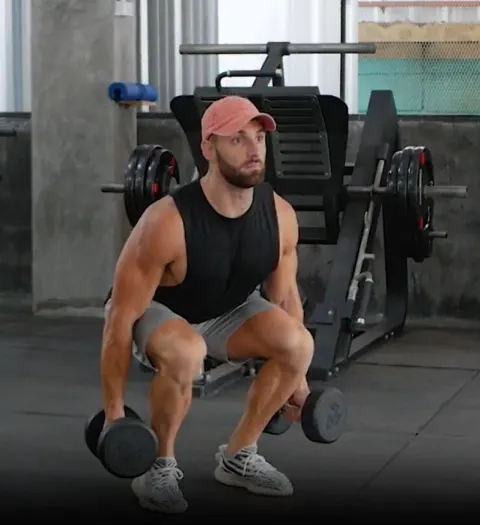
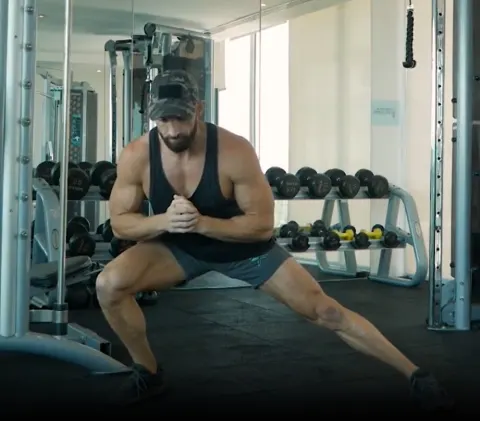
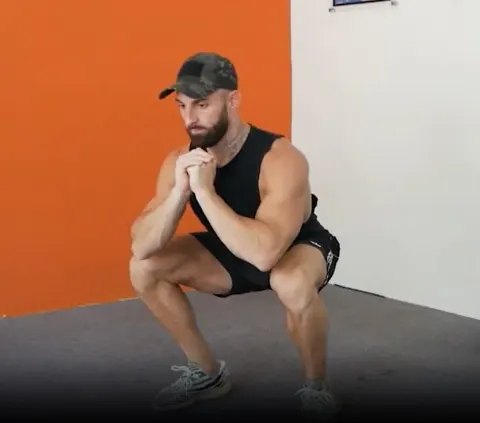
Quads, Glutes · Dumbbell
- Sets
- 2
- Reps
- 8–10
- Rest
- 120s
- Effort
- RPE 7
swap: Goblet Squat, Bodyweight Squat, Sumo Squat
-
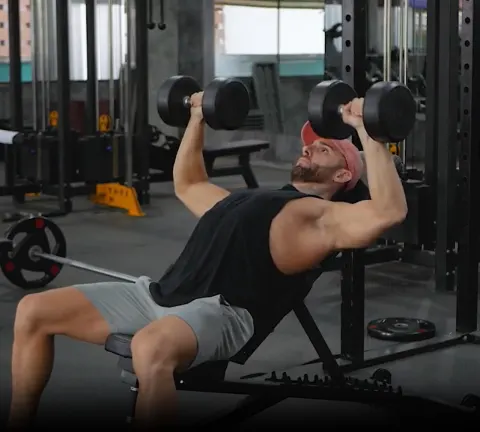
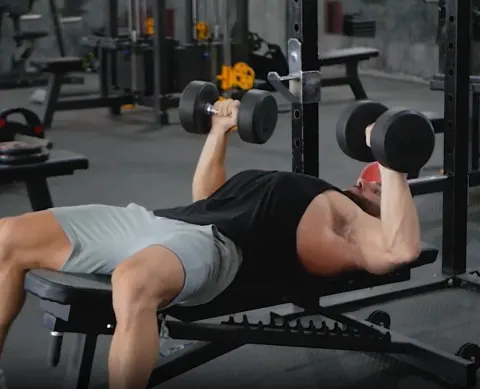
Chest, Front Delts · Dumbbell
- Sets
- 2
- Reps
- 8–10
- Rest
- 120s
- Effort
- RPE 7
-
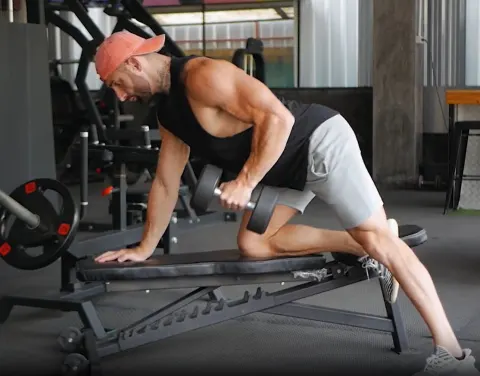
Lats, Upper Back · Dumbbell
- Sets
- 2
- Reps
- 8–10 / side
- Rest
- 120s
- Effort
- RPE 7
-
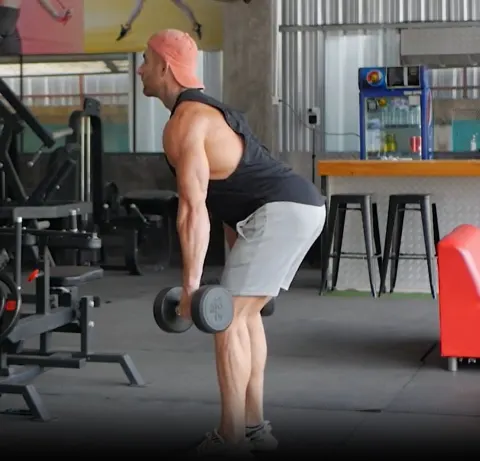
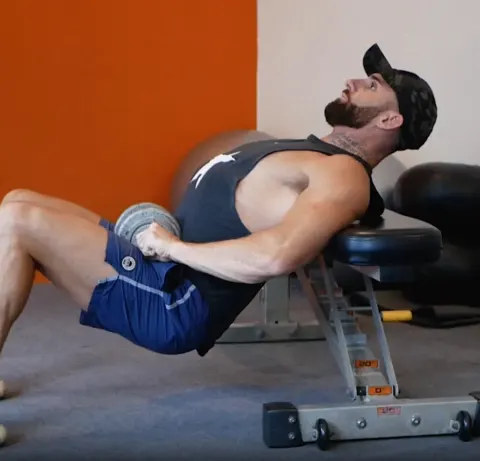
Hamstrings, Glutes · Dumbbell
- Sets
- 2
- Reps
- 8–12
- Rest
- 105s
- Effort
- RPE 7
swap: Bodyweight Hip Hinge, Dumbbell Deadlift, Bodyweight Good Morning
-
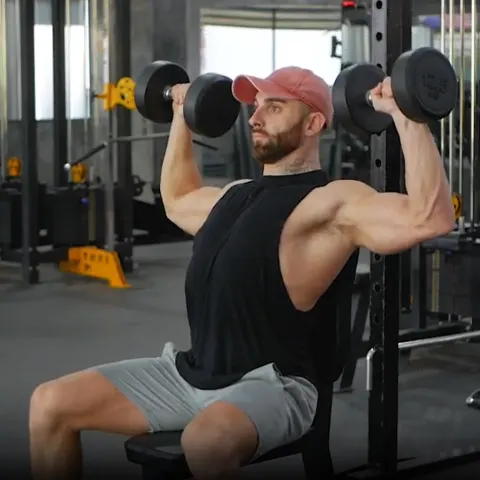
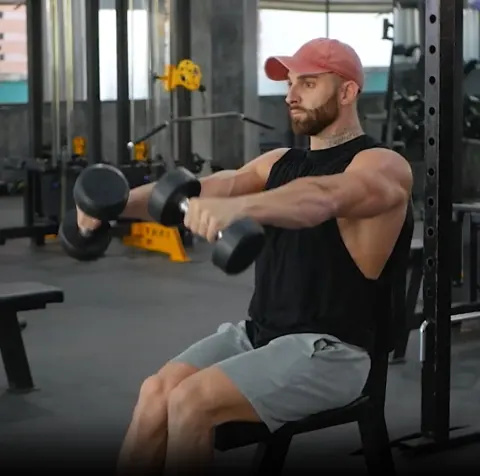
Front Delts, Side Delts · Dumbbell
- Sets
- 2
- Reps
- 12–15
- Rest
- 90s
- Effort
- RPE 7
-
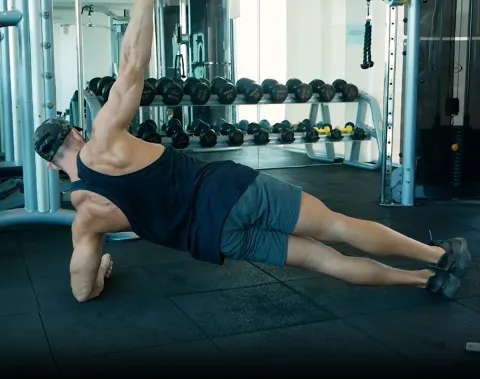
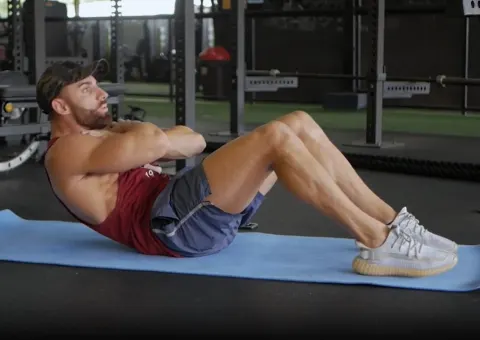
Obliques, Core · Bodyweight
- Sets
- 2
- Reps
- 30–60 sec
- Rest
- 60s
- Effort
- controlled
swap: Plank, Suitcase Carry, Russian Twist
Day 2
Full Body B
Hinge + vertical push/pull
-
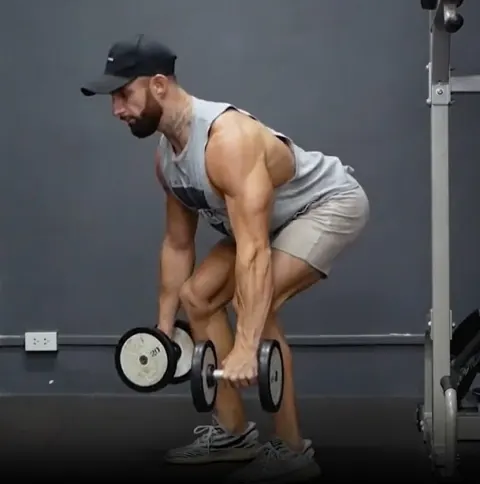
Hamstrings, Glutes · Dumbbell
- Sets
- 2
- Reps
- 8–10
- Rest
- 120s
- Effort
- RPE 7
-
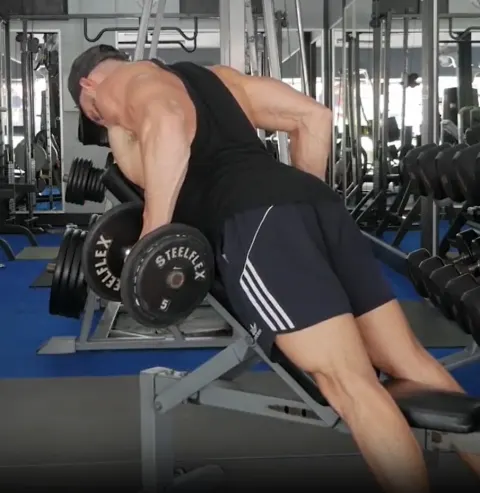
Upper Back, Lats · Dumbbell
- Sets
- 2
- Reps
- 8–10
- Rest
- 120s
- Effort
- RPE 7
swap: Dumbbell Row, Inverted Row, Rear Delt Fly
-
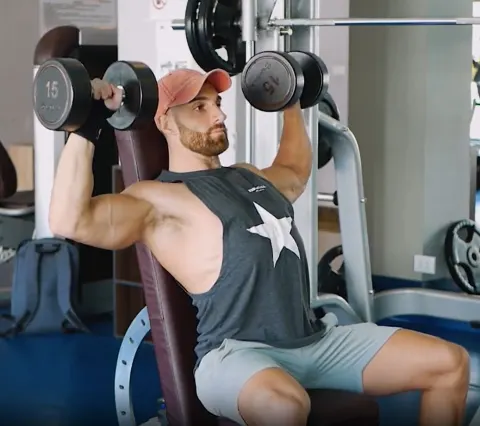
Front Delts, Side Delts · Dumbbell
- Sets
- 2
- Reps
- 8–10
- Rest
- 120s
- Effort
- RPE 7
-
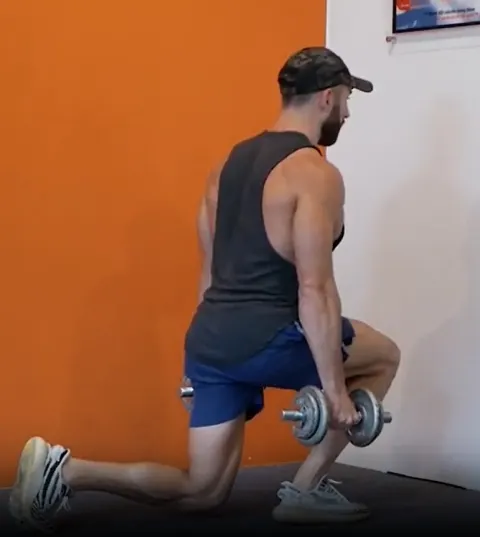
Quads, Glutes · Dumbbell
- Sets
- 2
- Reps
- 8–12 / side
- Rest
- 105s
- Effort
- RPE 7
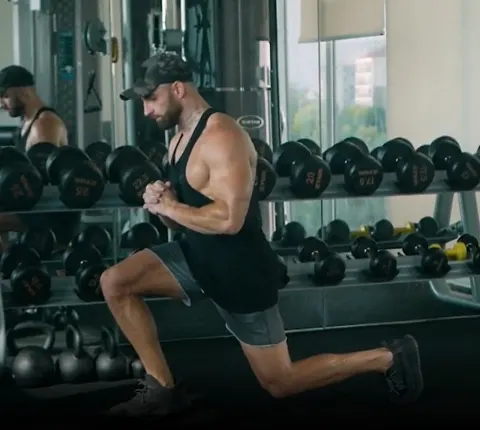
swap: Reverse Lunge, Split Squat, Step-Up
-
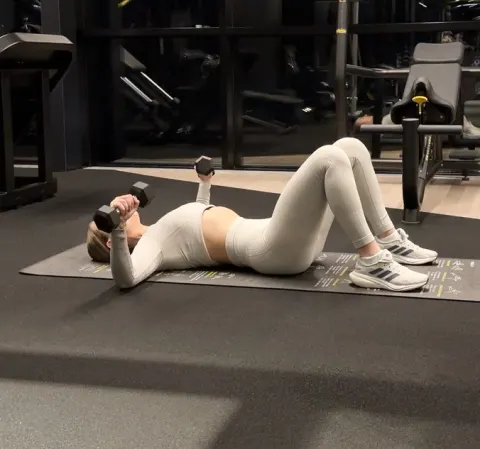
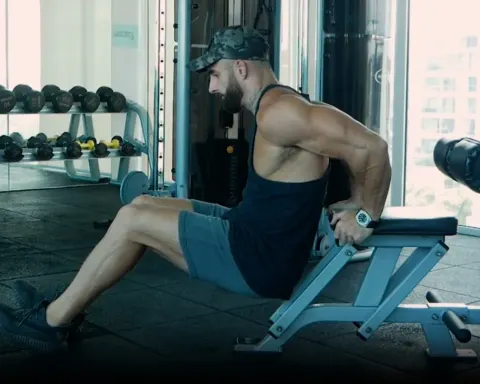
Chest, Triceps · Dumbbell
- Sets
- 2
- Reps
- 12–15
- Rest
- 90s
- Effort
- RPE 7
-
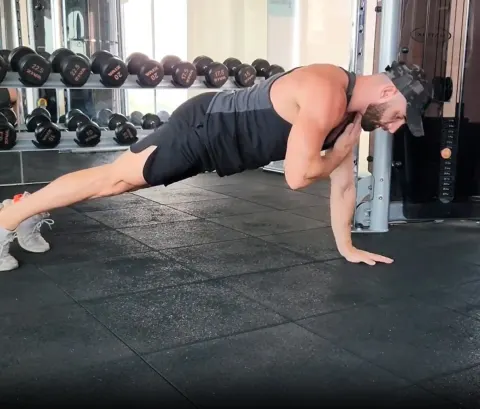
Core, Obliques · Bodyweight
- Sets
- 2
- Reps
- 30–60 sec
- Rest
- 60s
- Effort
- controlled
swap: Plank, Mountain Climber, Bird Dog
Day 3
Full Body C
Single-leg + chest + back
-
Quads, Glutes · Bodyweight
- Sets
- 2
- Reps
- 8–10 / side
- Rest
- 120s
- Effort
- RPE 7
swap: Reverse Lunge, Walking Lunge, Split Squat
-
Chest, Triceps · Dumbbell
- Sets
- 2
- Reps
- 8–10
- Rest
- 120s
- Effort
- RPE 7
-
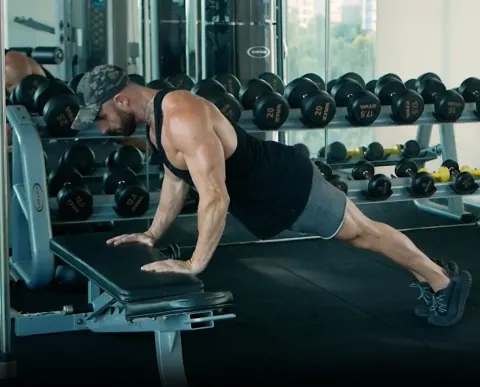
Upper Back, Lats · Bodyweight
- Sets
- 2
- Reps
- 8–10
- Rest
- 120s
- Effort
- RPE 7
-
Front Delts · Dumbbell
- Sets
- 2
- Reps
- 12–15
- Rest
- 90s
- Effort
- RPE 7
swap: Dumbbell Shoulder Press, Dumbbell Lateral Raise, Dumbbell Shrug
-
Core · Bodyweight
- Sets
- 2
- Reps
- 12–15
- Rest
- 75s
- Effort
- controlled
swap: Reverse Crunch, Bicycle Crunch, Dead Bug
8-week progression: what to change each week
Same exercises for the whole block. Weeks move the reps, then the load; the last week is a deload.
| Week | Load | Reps | Effort | What to watch |
|---|---|---|---|---|
| 1 | Light: learn the movements | bottom of range (8) | RPE 6–7 | Stop every set 3 reps before failure; film one set per exercise to check form. |
| 2 | Same weight | +1 rep per set (9) | RPE 8 | Same exercises, same order; only the reps move. |
| 3 | Same weight | top of range (10) | RPE 8 | All sets at the top of the range → add load next week. Missed a set? Repeat the week. |
| 4 | next dumbbell / harder variation | bottom of range (8) | RPE 8 | New weight feels hard at low reps; that is the plan working. |
| 5 | Same weight | +1 rep per set (9) | RPE 8 | Keep rest periods the same. |
| 6 | Same weight | top of range (10) | RPE 8–9 | Second time at the top: take the last set of each main lift to 1 rep in reserve. |
| 7 | next dumbbell / harder variation | bottom of range (8) | RPE 8 | Bodyweight moves: slow the lowering phase to 3 s or move to the harder variation. |
| 8 | Deload: 60 % | bottom of range | RPE 5–6 | Half the sets, then regenerate a variation or change the split for the next block. |
How to progress
- First 2 weeks: focus on form with light weights, stop each set 3 reps before failure.
- Double progression: hit the top of the rep range on every set, then add weight (2.5–5 %) and start from the bottom of the range.
- Bodyweight moves: add reps, then slow the tempo (3 sec down), then move to a harder variation.
- Deload every 6–8 weeks: same exercises, half the sets.
Notes for this plan
- Low-impact selection: no jumping, no high knee-stress movements. Swap anything that hurts for one of the listed alternatives.
- Home setup: if a weight gets too light, slow the lowering phase to 3–4 seconds or add a pause at the hardest point.
- Sessions can move between days; keep at least one rest day between hard sessions for the same muscles.
After 50, strength training stops being optional. It is the most reliable way to hold on to muscle, bone and the ability to do things without help, and it works from any starting level. The example week above is the over-50 build: three full-body dumbbell sessions of about 35 minutes with low-impact movements, two sets per exercise and rests 30 seconds longer than a standard plan.
If you have a diagnosed heart, blood pressure, bone or joint condition, or have had recent surgery, talk to your doctor before starting. For everyone else, beginning with light dumbbells is a low-risk step.
Why lifting matters more after 50
Two processes speed up in this decade if you are inactive. Muscle shrinks by around 1 % a year, and bone density falls, faster in women after menopause. The results show up as weaker legs, slower walking, poorer balance and a higher chance of a fall becoming a fracture.
Resistance training pushes back on both. Muscle regrows at any age when it is loaded and fed. Bone responds to the forces that squats, hinges, step-ups and loaded carries put through the hips and legs. Walking is good for the heart, but on its own it does not supply that signal.
What the over-50 version changes
| Setting | Standard plan | Over-50 plan |
|---|---|---|
| Sets per exercise | 2 or 3, depending on the goal | One fewer wherever there were 3, never below 2. In the example: 2 on everything |
| Rest between sets | 45–90 s | 60–120 s, about 30 s more on each exercise |
| Warm-up | 3–5 min cardio, mobility, ramp-up sets | The same plus 2 more minutes of walking and one slow set of each main movement |
| Exercise choice | Anything that fits the equipment | Low-impact only: no jumping, no heavy loads on the spine |
| Days per week | 2–6 | 2–4 |
Two sets do not mean easy sets. Each one should end with the last 2 reps clearly hard. The volume is capped because recovery, not effort, is what runs short. The longer rests let your heart rate and breathing settle so the second set is as good as the first.
Two, three or four days
- Two days (Mon, Thu): full body A and B. The minimum that maintains and slowly builds strength. The 2-day gym plan for general fitness over 50 is an example.
- Three days (Mon, Wed, Fri): full body A, B and C, as in the example. Best for most people.
- Four days (Mon, Tue, Thu, Fri): upper/lower. For those with a few years of lifting behind them. See the 4-day dumbbell plan for muscle gain over 50.
There are no 5- or 6-day over-50 plans in the catalog. Past four sessions, extra training takes more from recovery than it gives back.
How heavy, and how fast to progress
Use weights that make 8–10 reps challenging at about 7 out of 10 effort. Sets of 20 or more with tiny dumbbells feel safe, yet they do little for bone or strength.
Take four to six weeks to get there. In weeks 1–2, pick loads that leave 3 or more reps in hand and concentrate on smooth, controlled reps. Breathe out as you lift. Never hold your breath and strain.
Then apply double progression with the smallest steps you can. Example: Romanian deadlifts with 10 kg per hand for 2 sets of 8. Add one rep a week until both sets reach 12, then pick up the 12 kg pair and return to 8. If the next dumbbell is a big jump, lower each rep for 3–4 seconds for two weeks before moving up. Every 6–8 weeks take a lighter week at about 60 % of your loads.
The squat, hinge and lunge in the week above deserve your best effort, because leg strength is closely tied to staying independent. If holding two dumbbells at your sides bothers your grip or shoulders, the goblet squat is a comfortable alternative. Grip matters too: a farmer’s carry is not in the week, but two walks of 20–30 m after a session are a worthwhile extra.
Protein: 30–40 g at each meal
Older muscle needs a bigger dose of protein to respond. The daily target is the same as for younger lifters, 1.6–2.2 g per kg of body weight, but the distribution matters more: aim for 30–40 g at each of three meals instead of a small breakfast and one large dinner.
- Breakfast: 3 eggs plus 200 g of Greek yoghurt.
- Lunch: 150 g of chicken or fish, or a large portion of lentils with cottage cheese.
- Dinner: 150–200 g of meat, fish or tofu.
The protein intake calculator gives your daily figure. If you have kidney disease, agree your protein intake with your doctor. Sleep at least 7 hours and walk daily.
Balance work that takes two minutes
Stronger legs already improve balance. Add two short drills:
- One-leg stand: 30 seconds per side next to a counter, once a day. Progress by letting go, then by turning your head slowly.
- Single-leg hip hinge: 2 sets of 6–8 per side with fingertips on a wall, at the end of a session.
Joints and old injuries
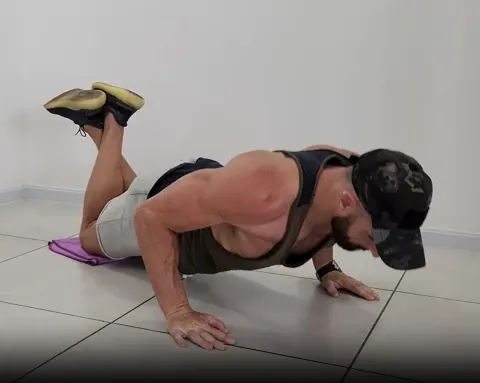
Almost every pattern has a version a sore joint will tolerate, and each exercise in the plan lists alternatives. Squat to a box or high chair if knees object, and replace the forward lunge with a reverse lunge or a low step-up; the bad knees guide has more options. Press seated with dumbbells if shoulders are stiff. Keep hinges light and slow if your back is sensitive. If the inverted row or a plank variation on your hands is awkward, use a dumbbell row and a plain forearm plank.
Muscle soreness for a day or two is normal. Sharp pain, chest pain, dizziness or unusual breathlessness means stop and get checked.
Mistakes to avoid after 50
- Relying on walking alone. Great for the heart, not enough for muscle or bone.
- Staying with the same light weights for years. If nothing gets heavier, nothing adapts.
- Cutting the warm-up short. The extra slow set of each main movement is where stiff joints loosen.
- Doing double on a good day. Stick to the plan and bank the energy for next session.
- Eating like a bird. Appetite drops with age. Protein needs do not.
Where to go next
The 3-day dumbbell plan for general fitness over 50 is the example above in full. No weights at home? The 3-day resistance band plan for over 50s follows the same structure.
If you are past 60 or starting from very little, the workout plan for seniors uses two bodyweight days. If you are fit and find this version too gentle, the workout plan for over 40 page explains the low-impact option with standard rests. The longer read is our guide to strength training after 50 and 60.
Workout Plan for Over 50: all 51 plans
- 2-Day Dumbbell Workout Plan for Weight Loss (Over 50)
- 2-Day Dumbbell Workout Plan for Muscle Gain (Over 50)
- 2-Day Dumbbell Workout Plan for Strength (Over 50)
- 2-Day Dumbbell Workout Plan for General Fitness (Over 50)
- 2-Day Gym Workout Plan for Weight Loss (Over 50)
- 2-Day Gym Workout Plan for Muscle Gain (Over 50)
- 2-Day Gym Workout Plan for Strength (Over 50)
- 2-Day Gym Workout Plan for General Fitness (Over 50)
- 2-Day Kettlebell Workout Plan for Weight Loss (Over 50)
- 2-Day Kettlebell Workout Plan for Muscle Gain (Over 50)
- 2-Day Kettlebell Workout Plan for General Fitness (Over 50)
- 2-Day Resistance Band Workout Plan for Weight Loss (Over 50)
- 2-Day Resistance Band Workout Plan for Muscle Gain (Over 50)
- 2-Day Resistance Band Workout Plan for General Fitness (Over 50)
- 3-Day Dumbbell Workout Plan for Weight Loss (Over 50)
- 3-Day Dumbbell Workout Plan for Muscle Gain (Over 50)
- 3-Day Dumbbell Workout Plan for Strength (Over 50)
- 3-Day Dumbbell Workout Plan for General Fitness (Over 50)
- 3-Day Gym Workout Plan for Weight Loss (Over 50)
- 3-Day Gym Workout Plan for Muscle Gain (Over 50)
- 3-Day Gym Workout Plan for Strength (Over 50)
- 3-Day Gym Workout Plan for General Fitness (Over 50)
- 3-Day Kettlebell Workout Plan for Weight Loss (Over 50)
- 3-Day Kettlebell Workout Plan for Muscle Gain (Over 50)
- 3-Day Kettlebell Workout Plan for General Fitness (Over 50)
- 3-Day Resistance Band Workout Plan for Weight Loss (Over 50)
- 3-Day Resistance Band Workout Plan for Muscle Gain (Over 50)
- 3-Day Resistance Band Workout Plan for General Fitness (Over 50)
- 4-Day Dumbbell Workout Plan for Weight Loss (Over 50)
- 4-Day Dumbbell Workout Plan for Muscle Gain (Over 50)
- 4-Day Dumbbell Workout Plan for Strength (Over 50)
- 4-Day Dumbbell Workout Plan for General Fitness (Over 50)
- 4-Day Gym Workout Plan for Weight Loss (Over 50)
- 4-Day Gym Workout Plan for Muscle Gain (Over 50)
- 4-Day Gym Workout Plan for Strength (Over 50)
- 4-Day Gym Workout Plan for General Fitness (Over 50)
- 4-Day Kettlebell Workout Plan for Weight Loss (Over 50)
- 4-Day Kettlebell Workout Plan for Muscle Gain (Over 50)
- 4-Day Kettlebell Workout Plan for General Fitness (Over 50)
- 4-Day Resistance Band Workout Plan for Weight Loss (Over 50)
- 4-Day Resistance Band Workout Plan for Muscle Gain (Over 50)
- 4-Day Resistance Band Workout Plan for General Fitness (Over 50)
Related programs
Frequently asked questions
Can you build muscle after 50?
Yes. People in their 50s, 60s and beyond gain muscle and strength from resistance training, and beginners often get 20 to 40 percent stronger in the first 12 weeks. Progress is slower than at 30, so the plan uses two sets per exercise, longer rests and small weight increases.
How often should a 50 year old lift weights?
Two to four times a week. Three full-body sessions with a rest day after each is the best balance for most people. Two sessions still protect muscle and bone, and four works for experienced lifters who recover well. More than four rarely adds anything at this age.
How much protein do I need after 50?
Aim for 1.6 to 2.2 g per kg of body weight per day, split so that each main meal contains 30 to 40 g. Older muscle responds less to small servings, so three solid protein meals do more than the same total spread across many snacks. Check with your doctor first if you have kidney disease.
Is lifting weights safe after 50?
For most people, yes, and it is safer than not training. Start light, use controlled low-impact exercises and breathe out as you lift. See a doctor before starting if you have a heart condition, uncontrolled blood pressure, osteoporosis, a joint replacement or recent surgery.
What exercises should you avoid after 50?
No exercise is banned by age alone, but these plans leave out jumping, high-impact conditioning and heavy loads carried on the spine, because the risk outweighs the benefit for most people starting out. Anything that causes sharp joint pain should be swapped for a same-pattern alternative.