8-Week Workout Plan: How the Week-by-Week Progression Works
An 8-week workout plan with a clear schedule: build reps in weeks 1–3, add load in week 4, repeat the climb, then deload in week 8. Free PDF for every plan.
Example week
3-Day Gym Workout Plan for General Fitness
A complete week you can start today: exercises, sets, reps and rest for every session, with swaps for each exercise. Open this plan on its own page (PDF) →
Split
Full Body
Sessions / week
3
Avg. session
29 min
Schedule
Mon · Wed · Fri
Warm-up (every session, ~6 min)
- 3–5 min easy cardio: brisk walk, bike, jump rope or marching in place.
- Dynamic mobility: 10 leg swings each way, 10 hip circles, 10 arm circles, 8 cat-cows.
- Ramp-up sets on the first exercise: 1–2 light sets of 8 before your working sets.
Day 1
Full Body A
Squat + push + pull
-
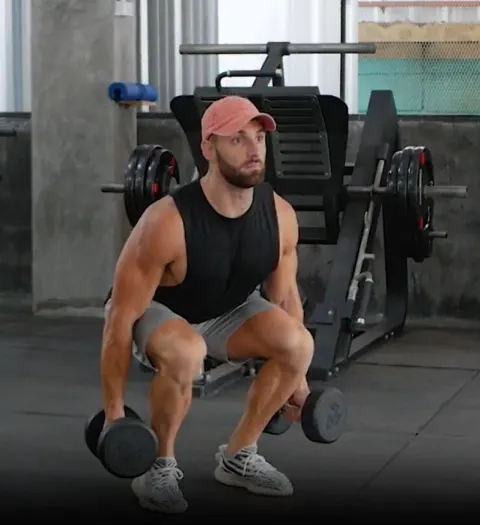
Glutes, Adductors, Quads · Dumbbell
- Sets
- 2
- Reps
- 8–10
- Rest
- 90s
- Effort
- RPE 7
-
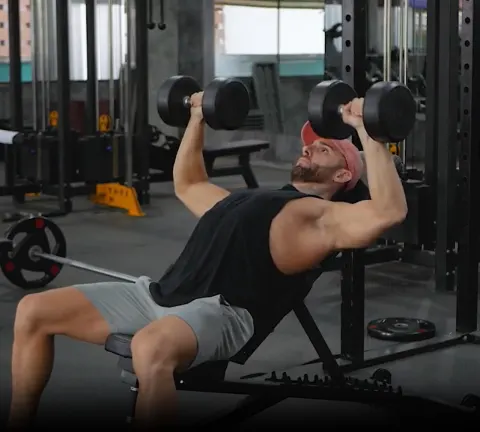
Chest, Triceps · Dumbbell
- Sets
- 2
- Reps
- 8–10
- Rest
- 90s
- Effort
- RPE 7
-
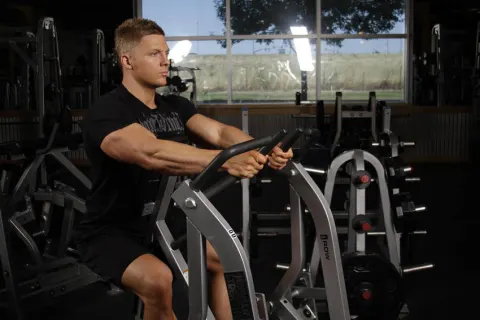
Upper Back, Lats · Machine
- Sets
- 2
- Reps
- 8–10
- Rest
- 90s
- Effort
- RPE 7
-
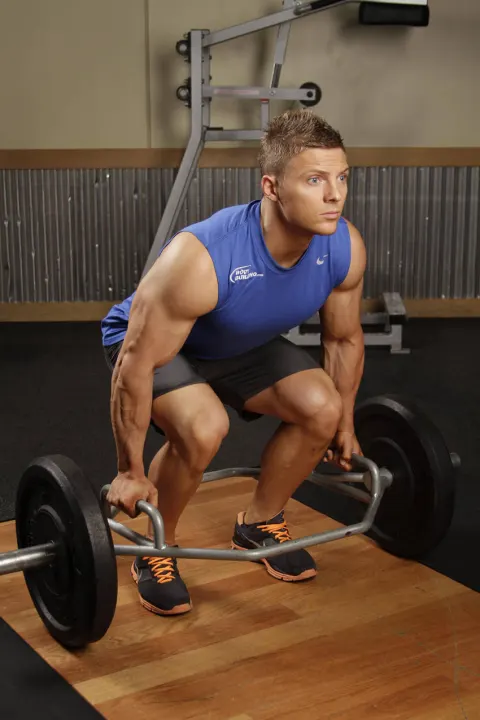
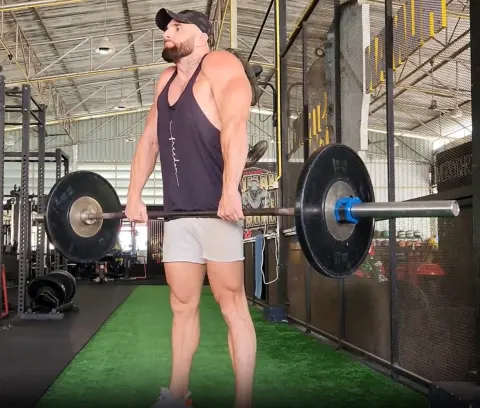
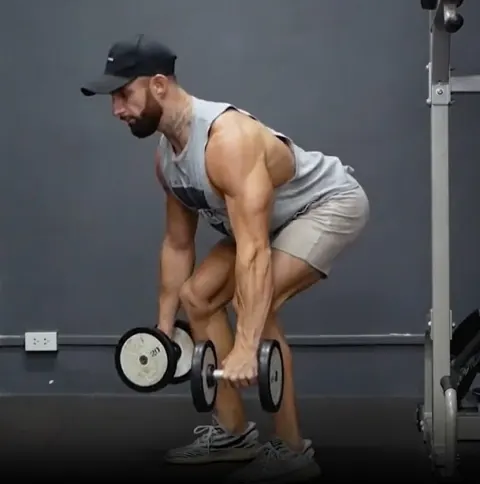
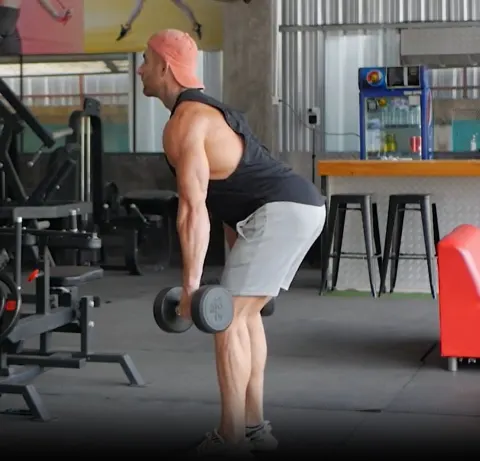
Glutes, Quads, Hamstrings · Barbell
- Sets
- 2
- Reps
- 8–12
- Rest
- 75s
- Effort
- RPE 7
swap: Kettlebell Deadlift, Goblet Squat, Banded Good Morning
-
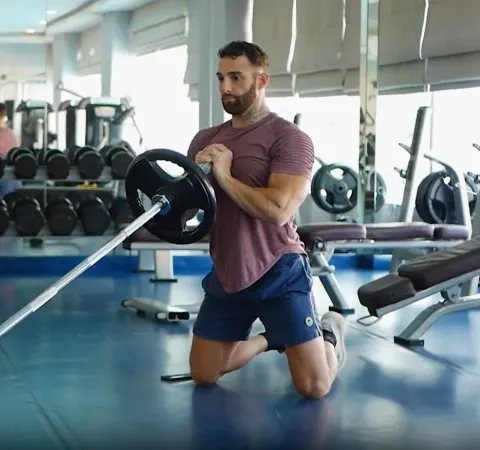
Front Delts, Chest · Barbell
- Sets
- 2
- Reps
- 12–15 / side
- Rest
- 60s
- Effort
- RPE 7
swap: Dumbbell Shoulder Press, Kettlebell Press, Incline Dumbbell Press
Day 2
Full Body B
Hinge + vertical push/pull
-
Glutes, Hamstrings · Cable
- Sets
- 2
- Reps
- 8–10
- Rest
- 90s
- Effort
- RPE 7
swap: Hip Thrust, Banded Good Morning, Bodyweight Good Morning
-
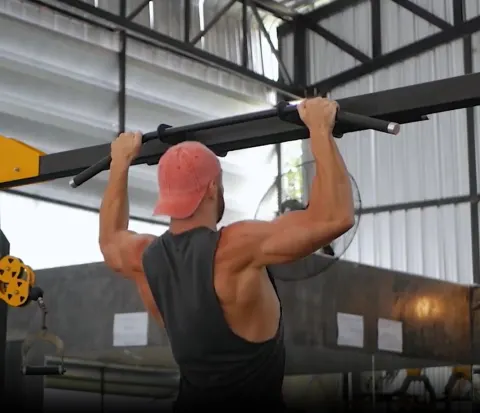
Lats, Upper Back · Pull-Up Bar
- Sets
- 2
- Reps
- 8–10
- Rest
- 90s
- Effort
- RPE 7
swap: Assisted Pull-Up, Lat Pulldown, Inverted Row
-
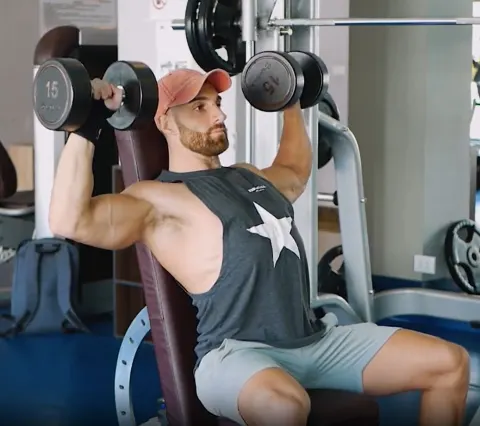
Front Delts, Side Delts · Dumbbell
- Sets
- 2
- Reps
- 8–10
- Rest
- 90s
- Effort
- RPE 7
swap: Seated Dumbbell Press, Pike Push-Up, Band Shoulder Press
-
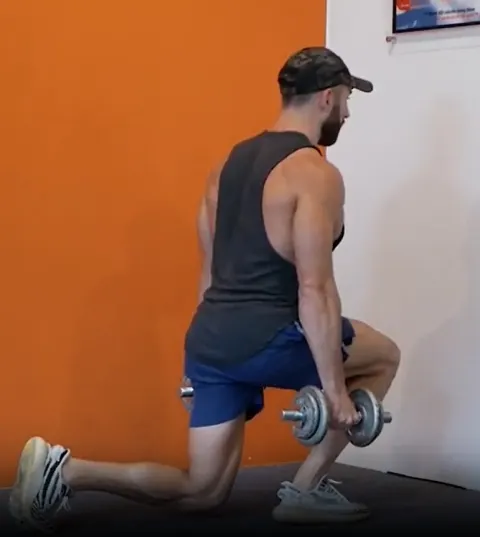
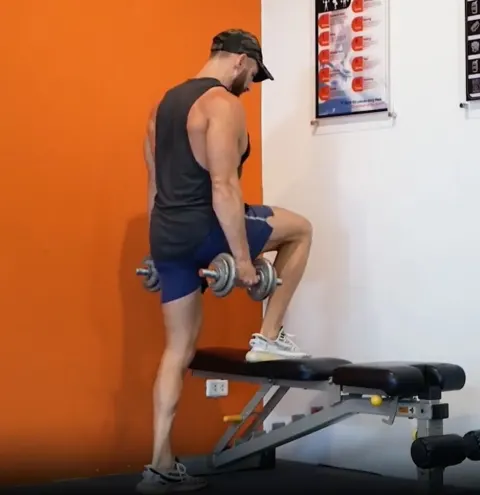
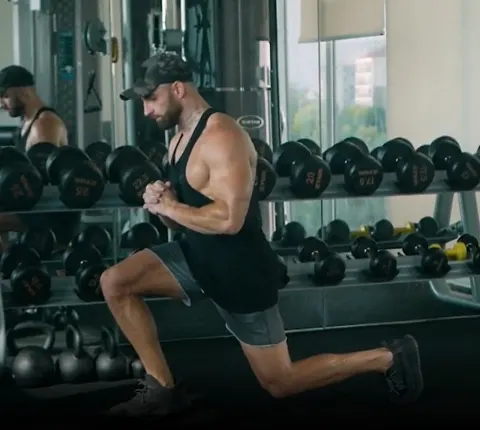
Quads, Glutes · Dumbbell
- Sets
- 2
- Reps
- 8–12 / side
- Rest
- 75s
- Effort
- RPE 7
swap: Reverse Lunge, Split Squat, Step-Up
-
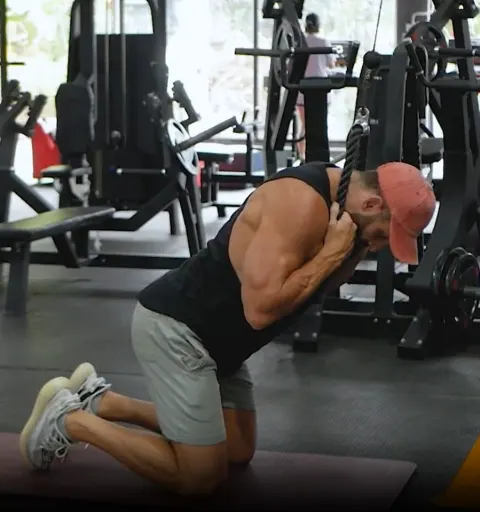
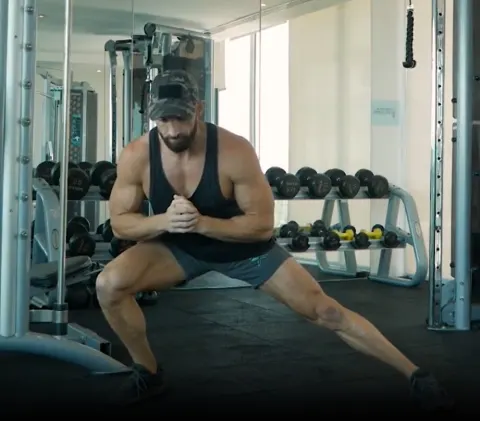
Obliques, Core · Cable
- Sets
- 2
- Reps
- 12–15 / side
- Rest
- 45s
- Effort
- controlled
swap: Side Plank, Suitcase Carry, Russian Twist


Day 3
Full Body C
Single-leg + chest + back
-
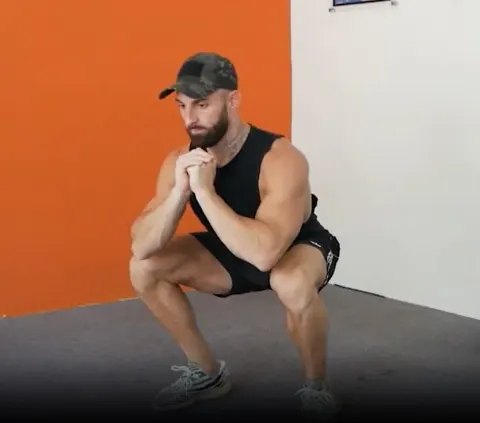
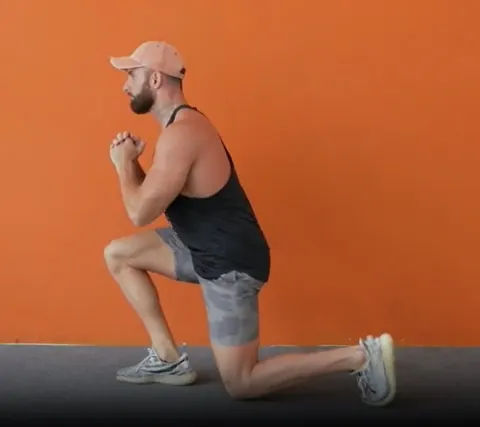
Quads, Glutes · Bodyweight
- Sets
- 2
- Reps
- 8–10 / side
- Rest
- 90s
- Effort
- RPE 7
swap: Reverse Lunge, Split Squat, Walking Lunge
-
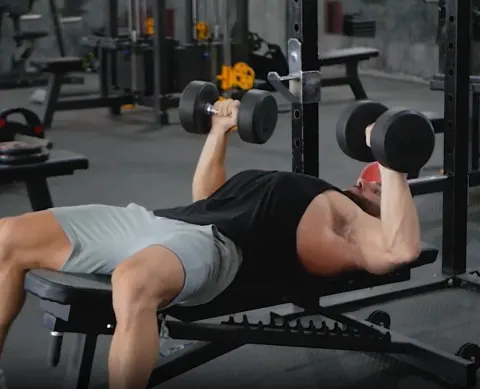
Chest, Front Delts · Dumbbell
- Sets
- 2
- Reps
- 8–10
- Rest
- 90s
- Effort
- RPE 7
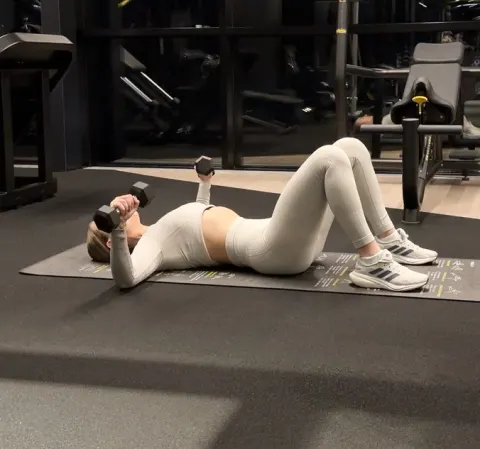
swap: Machine Chest Press, Dumbbell Bench Press, Dumbbell Floor Press
-
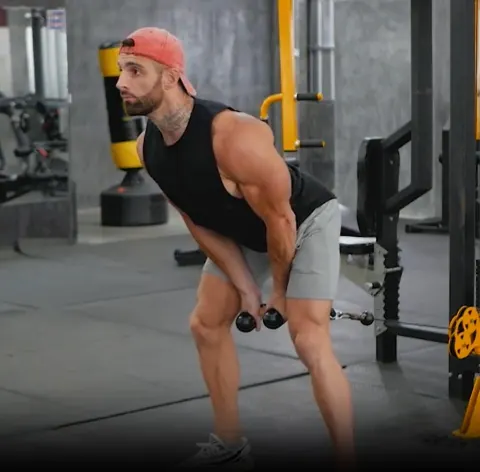
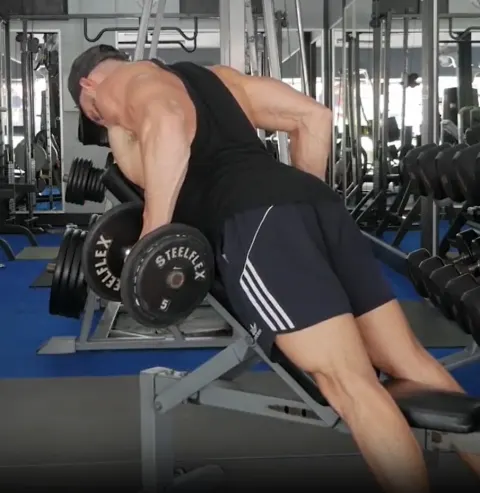
Upper Back, Lats · Dumbbell
- Sets
- 2
- Reps
- 8–10
- Rest
- 90s
- Effort
- RPE 7
swap: Dumbbell Row, Machine Row, Seated Cable Row
-
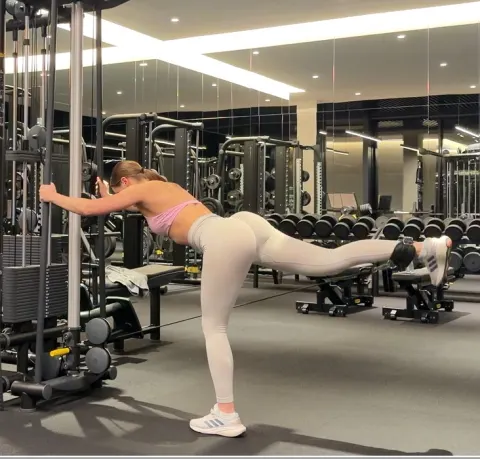
Glutes · Cable
- Sets
- 2
- Reps
- 8–12 / side
- Rest
- 75s
- Effort
- RPE 7
swap: Donkey Kick, Hip Thrust, Banded Lateral Walk
-
Traps · Barbell
- Sets
- 2
- Reps
- 12–15
- Rest
- 60s
- Effort
- RPE 7
swap: Dumbbell Shrug, Face Pull, Band Upright Row
-
Core · Bodyweight
- Sets
- 2
- Reps
- 12–15
- Rest
- 45s
- Effort
- controlled
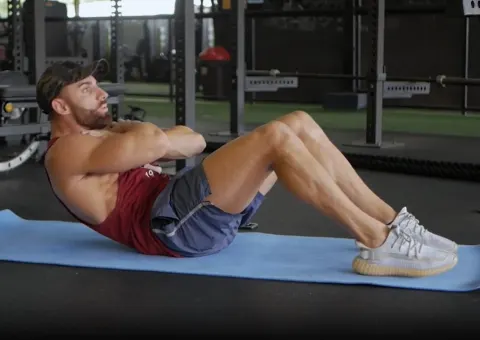
swap: Reverse Crunch, Bicycle Crunch, Cable Crunch
8-week progression: what to change each week
Same exercises for the whole block. Weeks move the reps, then the load; the last week is a deload.
| Week | Load | Reps | Effort | What to watch |
|---|---|---|---|---|
| 1 | Light: learn the movements | bottom of range (8) | RPE 6–7 | Stop every set 3 reps before failure; film one set per exercise to check form. |
| 2 | Same weight | +1 rep per set (9) | RPE 8 | Same exercises, same order; only the reps move. |
| 3 | Same weight | top of range (10) | RPE 8 | All sets at the top of the range → add load next week. Missed a set? Repeat the week. |
| 4 | +2.5 kg (5 lb) | bottom of range (8) | RPE 8 | New weight feels hard at low reps; that is the plan working. |
| 5 | Same weight | +1 rep per set (9) | RPE 8 | Keep rest periods the same. |
| 6 | Same weight | top of range (10) | RPE 8–9 | Second time at the top: take the last set of each main lift to 1 rep in reserve. |
| 7 | +2.5 kg (5 lb) | bottom of range (8) | RPE 8 | Bodyweight moves: slow the lowering phase to 3 s or move to the harder variation. |
| 8 | Deload: 60 % | bottom of range | RPE 5–6 | Half the sets, then regenerate a variation or change the split for the next block. |
How to progress
- First 2 weeks: focus on form with light weights, stop each set 3 reps before failure.
- Double progression: hit the top of the rep range on every set, then add weight (2.5–5 %) and start from the bottom of the range.
- Bodyweight moves: add reps, then slow the tempo (3 sec down), then move to a harder variation.
- Deload every 6–8 weeks: same exercises, half the sets.
Notes for this plan
- Sessions can move between days; keep at least one rest day between hard sessions for the same muscles.
Eight weeks is long enough to get measurably stronger and short enough to stay focused on one plan. Every plan on this site, including the example above, is paired with the same 8-week wave. This page walks through it week by week, so you know what to change each Monday and what to leave alone.
The 8 weeks at a glance
The table uses the 8–10 rep range of the example week. Other ranges follow the same shape.
| Week | Load | Reps per set | Effort | What changes |
|---|---|---|---|---|
| 1 | Light | 8 | RPE 6–7 | Learn the movements, stop 3 reps short |
| 2 | Same | 9 | RPE 8 | One more rep on every set |
| 3 | Same | 10 | RPE 8 | Every set at the top of the range |
| 4 | +2.5 kg (5 lb) | 8 | RPE 8 | New weight, back to the bottom |
| 5 | Same | 9 | RPE 8 | Second climb begins |
| 6 | Same | 10 | RPE 8–9 | Last set of each main lift: 1 rep in reserve |
| 7 | +2.5 kg (5 lb) | 8 | RPE 8 | Second load increase |
| 8 | About 60 % | 8 | RPE 5–6 | Deload: half the sets |
RPE is effort out of 10. RPE 8 means you could have done two more reps. Exercises, order and training days stay the same for all eight weeks. Only reps and load move.
Weeks 1–3: same weight, more reps
Week 1 is deliberately easy. Pick loads that leave about 3 reps in reserve and use the spare attention for technique. Soreness peaks after the first two or three sessions and then fades, and joints and tendons get time to catch up with the muscles.
From there, add one rep to every set each week. Take a dumbbell bench press written as 2 × 8–10 with a pair of 14 kg dumbbells: 8 and 8 in week 1, 9 and 9 in week 2, 10 and 10 in week 3. The dumbbells never changed, yet you did 25 % more work with them.
Accessories with a wider range, such as 12–15, follow the same idea. They simply take a rep or two more per week, or one extra week, to reach the top.
Week 4: add load, drop the reps
Once every set has reached the top of its range, the weight goes up and the reps return to the bottom. This is double progression.
- In a gym: 2.5 kg (5 lb) on most lifts, the next plate on a machine stack.
- At home: the next dumbbell. If that jump is too big, keep the weight and lower it for 3 seconds.
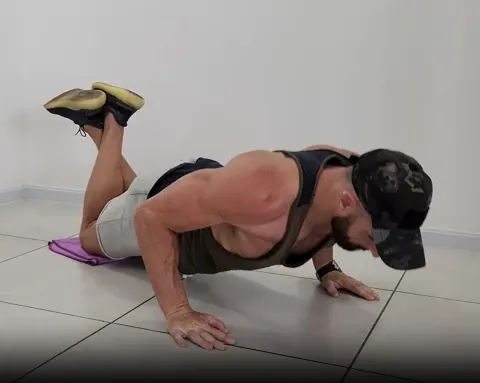
- Bodyweight moves: a harder variation, for example from an incline push-up to the floor.
Missed the top of the range on one set in week 3? Repeat that week before adding load. A plan that takes 9 or 10 weeks is still working.
Weeks 5–7: the second climb
Weeks 5 and 6 repeat the rep climb at the heavier weight. These are the most productive weeks of the block: technique is settled and the loads are now a real challenge.
In week 6, take the final set of each main lift to within one rep of failure. It checks that your “two reps left” has been honest. In week 7 the load rises a second time and the reps reset again.
Week 8: the deload
Keep the same exercises and the same days. Use about 60 % of your week 7 weights and half the sets. Every set should feel easy.
This week is part of the plan, not a break from it. Fatigue has been building under the surface for seven weeks, and one light week removes it. The deload week guide explains the options.
How the wave changes with your goal
- General fitness: 8, 9, 10 reps, as in the table.
- Muscle gain: main lifts in a 6–10 range, so the steps are 6–8, 8–9 and 9–10 reps.
- Weight loss: 8, 10 and 12 reps. Rest periods also shrink by 10 seconds every two weeks until they reach the plan’s targets.
- Strength: two 4-week waves. Sets of 4, 5 and 6 at one weight, a light week, then 2.5 kg more for the second wave.
The example week as a first 8-week block
The example week above is a general fitness plan for a gym: three full-body sessions on Monday, Wednesday and Friday. Each takes about 30 minutes, with 2 sets per exercise, 8–10 reps on the main lifts and 90 seconds of rest.
That makes it a good first block. The sessions are short enough to protect the habit, and two sets leave room to add a third in the next block. It is the 3-day gym plan for general fitness. Training at home? The 3-day dumbbell version runs on the same wave.
What 8 weeks can deliver
- Sessions: 24 on a 3-day plan, including the light final week.
- Strength: 30–50 % more on main lifts for a beginner, mostly from better technique.
- Fat loss: 2.5–4 kg if you also hold a deficit of 300–500 kcal a day. Training alone will not do it.
- Muscle: around 1 kg for a new lifter eating enough protein. It shows first as better posture and firmer shoulders and legs.
- Habit: by week 8, missing a session feels stranger than doing it.
Print it, log it
Each plan page has a Download PDF button for the training week. Write your weights and reps beside each exercise, or log them in the Fitbe app. The log is what makes the wave work: without last week’s numbers you cannot add a rep to them.
An estimate of your one-rep max from a set in week 1 and again in week 7 gives a clean before-and-after figure.
After week 8
- Same plan, heavier start. Begin the next block one step below your week 7 loads and climb again.
- A new variation. Use the plan generator to produce the same structure with different exercises.
- More days. The 4-day workout plan splits the week into upper and lower sessions.
- A longer horizon. The 12-week workout plan shows how to extend the wave into three blocks.
If two months feel like too much to commit to today, the 30-day workout plan covers the first half of this wave on its own.
8-Week Workout Plan: all 28 plans
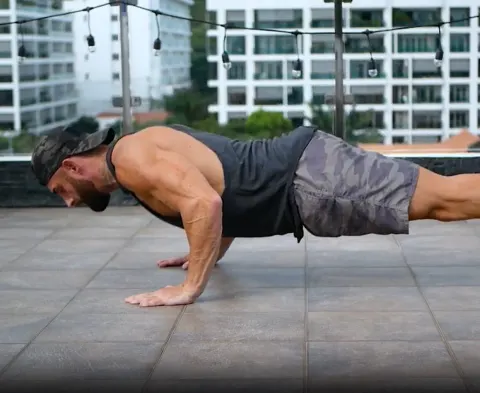
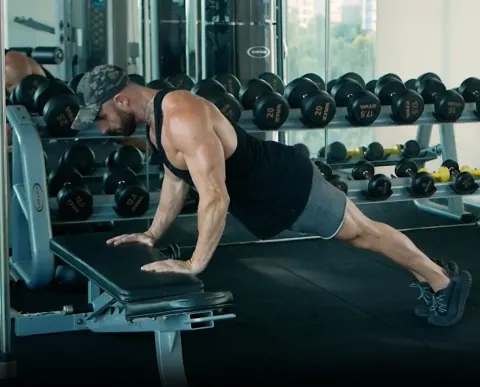

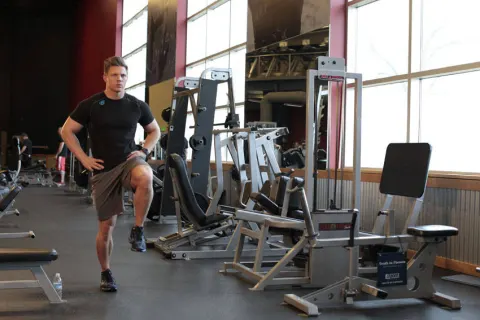
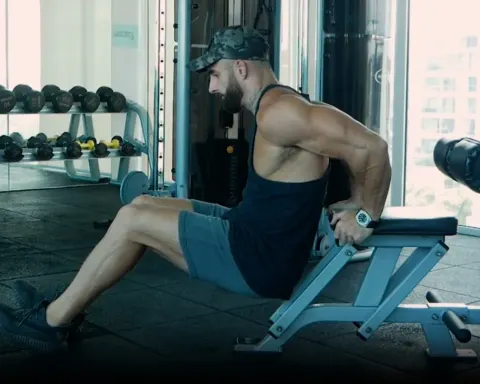

- 3-Day Dumbbell Workout Plan for General Fitness (Over 50)
- 3-Day Gym Workout Plan for General Fitness
- 3-Day Gym Workout Plan for General Fitness (Beginners)
- 3-Day Gym Workout Plan for General Fitness (Women)
- 3-Day Gym Workout Plan for General Fitness (Men)
- 3-Day Gym Workout Plan for General Fitness (Over 50)
- 3-Day Kettlebell Workout Plan for General Fitness
- 3-Day Kettlebell Workout Plan for General Fitness (Beginners)
- 3-Day Kettlebell Workout Plan for General Fitness (Women)
- 3-Day Kettlebell Workout Plan for General Fitness (Men)
- 3-Day Kettlebell Workout Plan for General Fitness (Over 50)
- 3-Day Resistance Band Workout Plan for General Fitness
- 3-Day Resistance Band Workout Plan for General Fitness (Beginners)
- 3-Day Resistance Band Workout Plan for General Fitness (Women)
- 3-Day Resistance Band Workout Plan for General Fitness (Men)
- 3-Day Resistance Band Workout Plan for General Fitness (Over 50)
- 3-Day Calisthenics Workout Plan for General Fitness
- 3-Day Calisthenics Workout Plan for General Fitness (Beginners)
- 3-Day Calisthenics Workout Plan for General Fitness (Men)
Related programs
Frequently asked questions
Is 8 weeks enough to see results from working out?
For strength and fitness, yes. Beginners commonly lift 30 to 50 percent more on their main exercises after 8 weeks, mostly because technique improves. Changes you can see in the mirror are just beginning at that point and become obvious between weeks 8 and 12, provided food and sleep support the training.
What should I do after an 8-week workout plan?
Finish the deload week, then start a second 8-week block. Keep the plan and begin about one step below the weights you ended on, or regenerate a variation with new exercises. Add a training day only if you rarely missed a session in the first block.
Can I download the 8-week workout plan as a PDF?
Yes. Open any plan on its own page and press Download PDF to print the training week with every exercise, set, rep range and rest time. The plan can also be opened in the Fitbe app, which is the easier way to log each set across all 8 weeks.
How many days a week should I train on an 8-week plan?
Three days suit most people and give 24 sessions over the block. Two days is the minimum that still produces steady progress, and four or five days fit lifters who already train consistently. The weekly progression works the same way whatever number you choose.
Why does the plan end with a deload week?
Seven weeks of rising reps and loads build up fatigue in joints, tendons and the nervous system. One week at about 60 percent of your weights with half the sets clears it without losing fitness. Most people start the next block stronger than they finished the last one.