Gym Workout Plan for Beginners: What to Do From Day One
This gym workout plan for beginners covers your first session, starting weights for each lift, machines versus free weights and basic gym etiquette.
Example week
3-Day Gym Workout Plan for Muscle Gain (Beginners)
A complete week you can start today: exercises, sets, reps and rest for every session, with swaps for each exercise. Open this plan on its own page (PDF) →
Split
Full Body
Sessions / week
3
Avg. session
45 min
Schedule
Mon · Wed · Fri
Warm-up (every session, ~6 min)
- 3–5 min easy cardio: brisk walk, bike, jump rope or marching in place.
- Dynamic mobility: 10 leg swings each way, 10 hip circles, 10 arm circles, 8 cat-cows.
- Ramp-up sets on the first exercise: 1–2 light sets of 8 before your working sets.
Day 1
Full Body A
Squat + push + pull
-
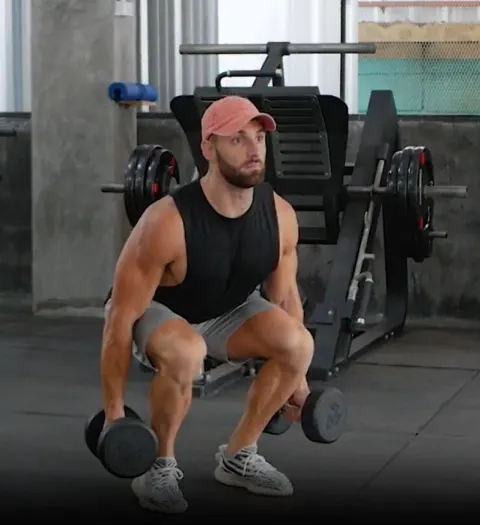
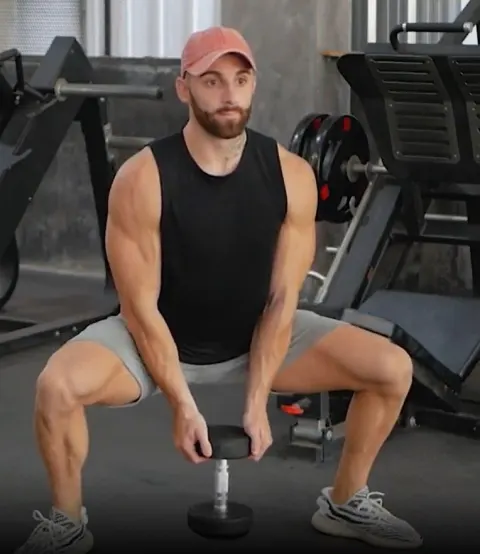
Quads, Glutes · Dumbbell
- Sets
- 3
- Reps
- 6–10
- Rest
- 120s
- Effort
- RPE 8
-
Chest, Triceps · Dumbbell
- Sets
- 3
- Reps
- 6–10
- Rest
- 120s
- Effort
- RPE 8
-
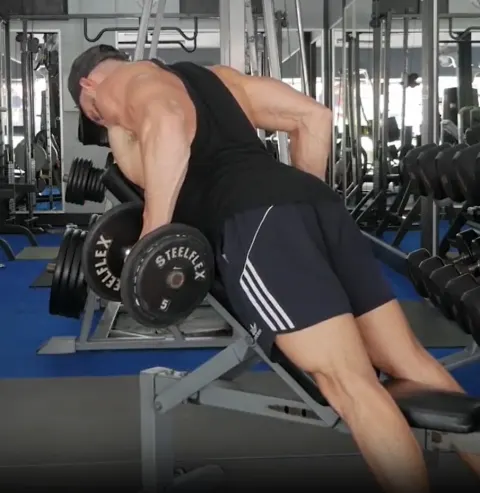
Upper Back, Lats · Dumbbell
- Sets
- 3
- Reps
- 6–10
- Rest
- 120s
- Effort
- RPE 8
swap: Dumbbell Row, Machine Row, Seated Cable Row
-
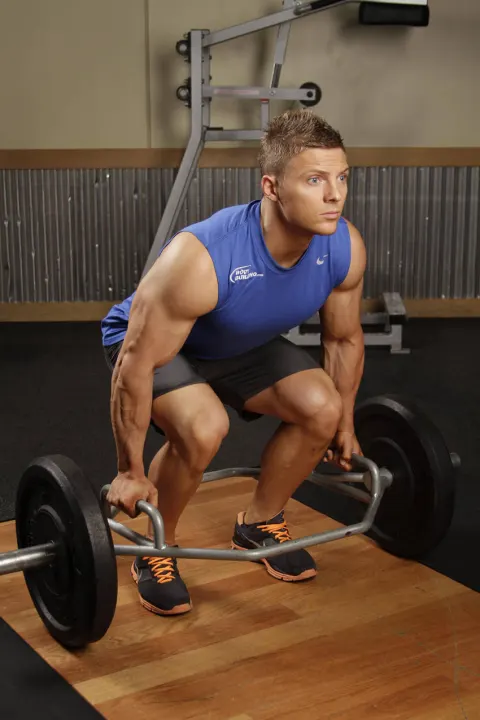
Glutes, Quads, Hamstrings · Barbell
- Sets
- 2
- Reps
- 8–12
- Rest
- 90s
- Effort
- RPE 8
swap: Kettlebell Deadlift, Goblet Squat, Banded Good Morning
-
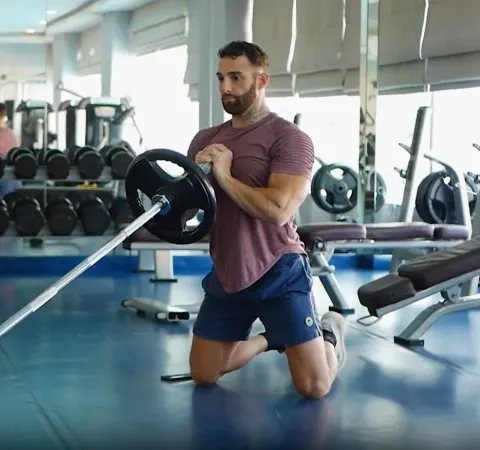
Front Delts, Chest · Barbell
- Sets
- 3
- Reps
- 10–15 / side
- Rest
- 60s
- Effort
- RPE 8–9
swap: Dumbbell Shoulder Press, Kettlebell Press, Incline Dumbbell Press
Day 2
Full Body B
Hinge + vertical push/pull
-
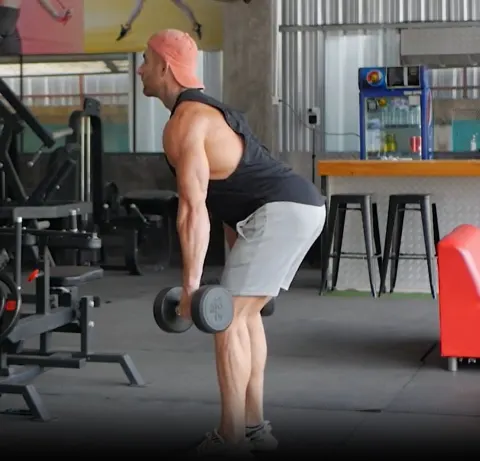
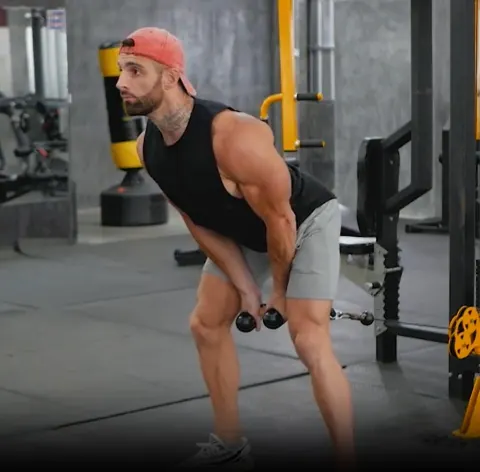
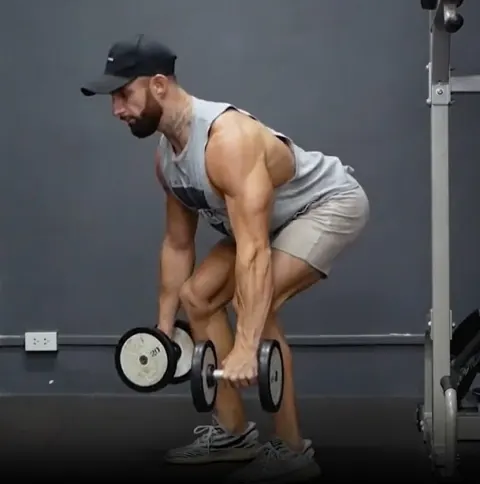
Hamstrings, Glutes · Dumbbell
- Sets
- 3
- Reps
- 6–10
- Rest
- 120s
- Effort
- RPE 8
swap: Kettlebell Deadlift, Bodyweight Hip Hinge, Dumbbell Deadlift
-
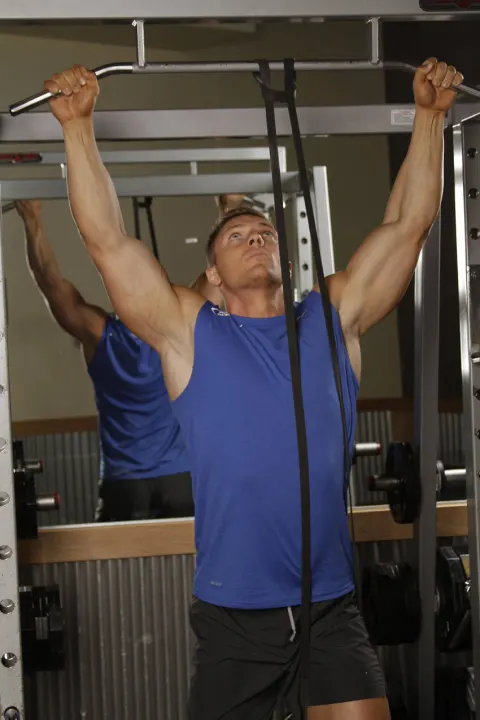
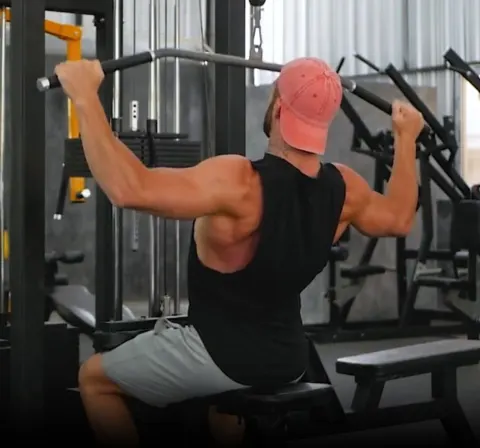
Lats, Upper Back · Pull-Up Bar
- Sets
- 3
- Reps
- 6–10
- Rest
- 120s
- Effort
- RPE 8
swap: Assisted Pull-Up, Lat Pulldown, Inverted Row
-
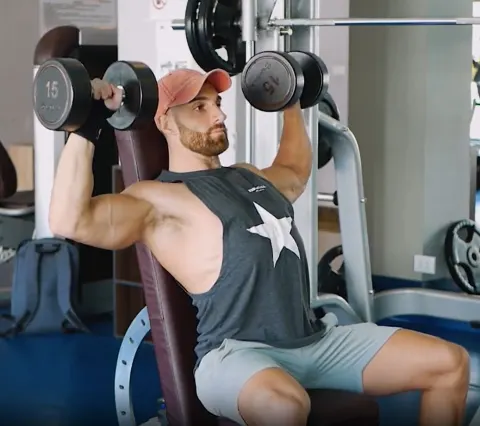
Front Delts, Side Delts · Dumbbell
- Sets
- 3
- Reps
- 6–10
- Rest
- 120s
- Effort
- RPE 8
swap: Seated Dumbbell Press, Pike Push-Up, Band Shoulder Press
-
Quads, Glutes · Dumbbell
- Sets
- 2
- Reps
- 8–12 / side
- Rest
- 90s
- Effort
- RPE 8
swap: Reverse Lunge, Split Squat, Step-Up
-
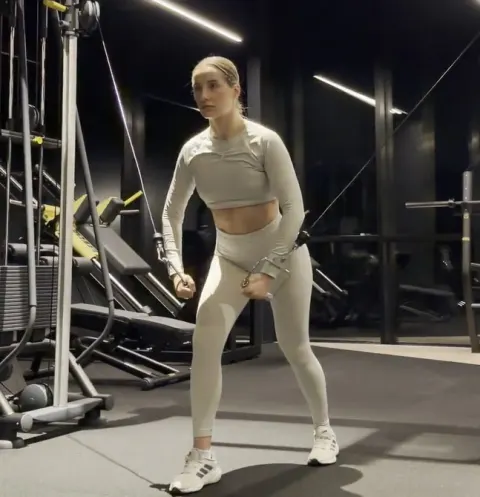
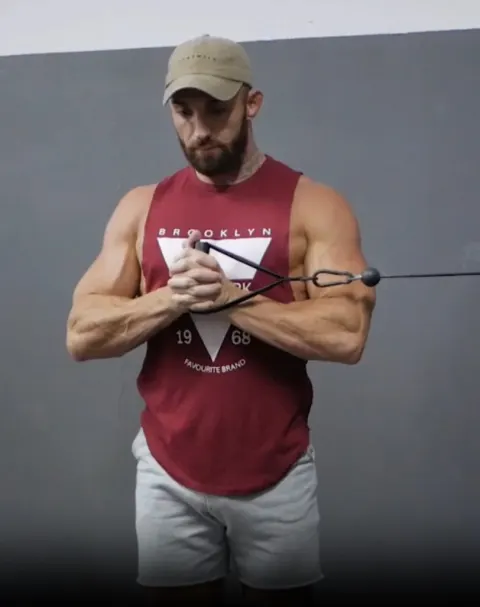
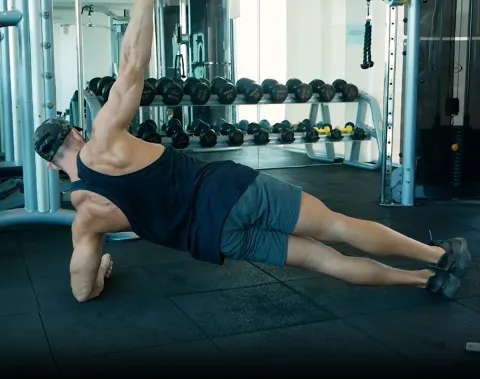
Obliques, Core · Cable
- Sets
- 3
- Reps
- 12–15 / side
- Rest
- 60s
- Effort
- controlled
swap: Side Plank, Suitcase Carry, Russian Twist
Day 3
Full Body C
Single-leg + chest + back
-
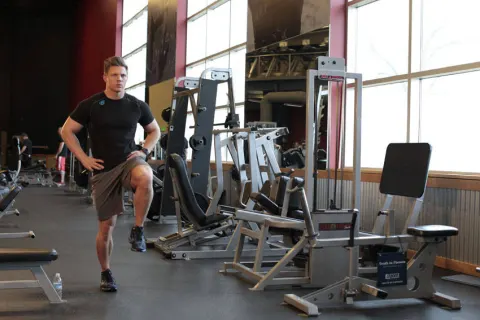
Quads, Glutes · Bodyweight
- Sets
- 3
- Reps
- 6–10 / side
- Rest
- 120s
- Effort
- RPE 8
swap: Reverse Lunge, Forward Lunge, Split Squat
-
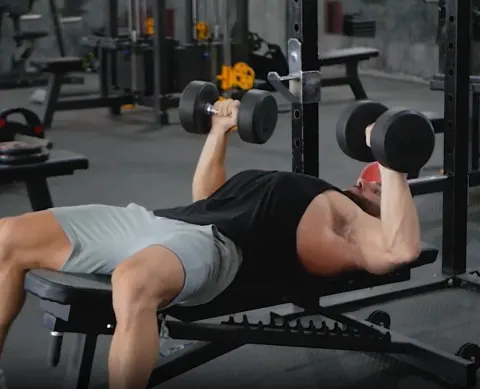
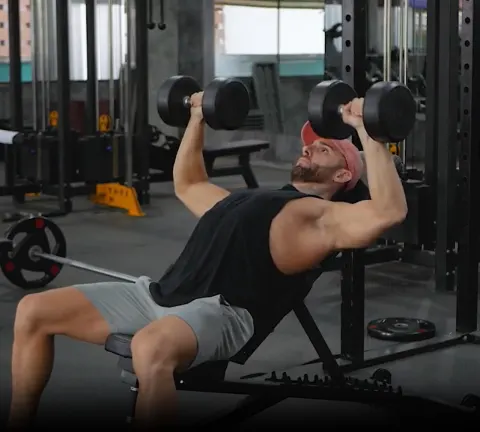
Chest, Front Delts · Dumbbell
- Sets
- 3
- Reps
- 6–10
- Rest
- 120s
- Effort
- RPE 8
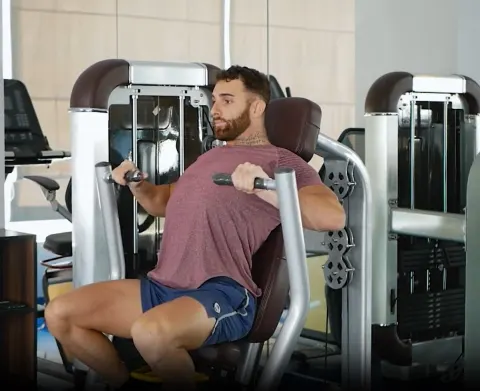
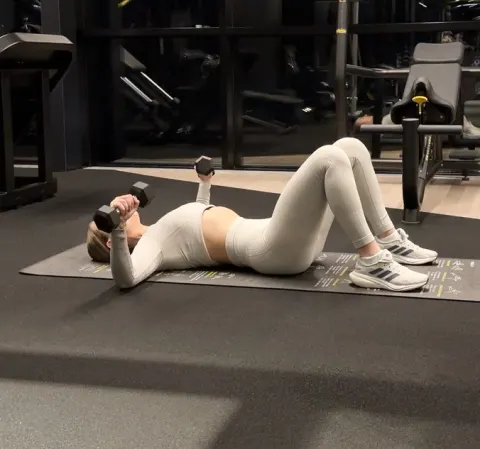
swap: Machine Chest Press, Dumbbell Bench Press, Dumbbell Floor Press
-
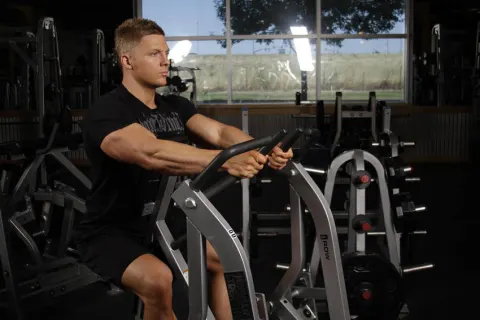
Upper Back, Lats · Machine
- Sets
- 3
- Reps
- 6–10
- Rest
- 120s
- Effort
- RPE 8
-
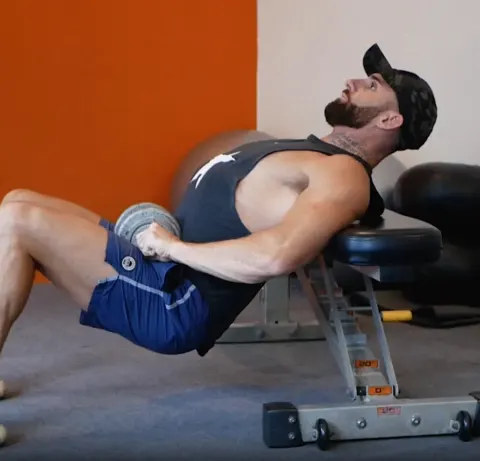
Glutes · Dumbbell
- Sets
- 2
- Reps
- 8–12
- Rest
- 90s
- Effort
- RPE 8
-
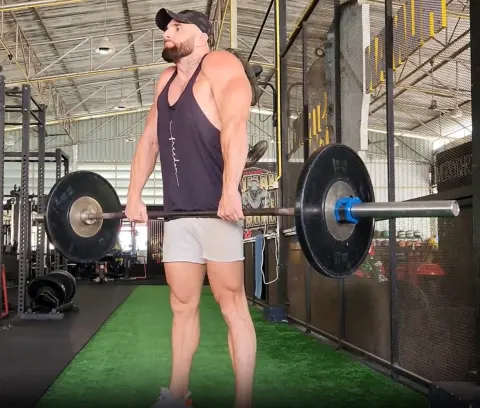
Traps · Barbell
- Sets
- 3
- Reps
- 10–15
- Rest
- 60s
- Effort
- RPE 8–9
swap: Dumbbell Shrug, Face Pull, Band Upright Row
-
Obliques, Core · Bodyweight
- Sets
- 3
- Reps
- 30–60 sec
- Rest
- 60s
- Effort
- controlled
swap: Plank, Pallof Press, Suitcase Carry
8-week progression: what to change each week
Same exercises for the whole block. Weeks move the reps, then the load; the last week is a deload.
| Week | Load | Reps | Effort | What to watch |
|---|---|---|---|---|
| 1 | Light: learn the movements | bottom of range (6–8) | RPE 6–7 | Stop every set 3 reps before failure; film one set per exercise to check form. |
| 2 | Same weight | +1 rep per set (8–9) | RPE 8 | Same exercises, same order; only the reps move. |
| 3 | Same weight | top of range (9–10) | RPE 8 | All sets at the top of the range → add load next week. Missed a set? Repeat the week. |
| 4 | +2.5 kg (5 lb) | bottom of range (6–8) | RPE 8 | New weight feels hard at low reps; that is the plan working. |
| 5 | Same weight | +1 rep per set (8–9) | RPE 8 | Keep rest periods the same. |
| 6 | Same weight | top of range (9–10) | RPE 8–9 | Second time at the top: take the last set of each main lift to 1 rep in reserve. |
| 7 | +2.5 kg (5 lb) | bottom of range (6–8) | RPE 8 | Bodyweight moves: slow the lowering phase to 3 s or move to the harder variation. |
| 8 | Deload: 60 % | bottom of range | RPE 5–6 | Half the sets, then regenerate a variation or change the split for the next block. |
How to progress
- First 2 weeks: focus on form with light weights, stop each set 3 reps before failure.
- Double progression: hit the top of the rep range on every set, then add weight (2.5–5 %) and start from the bottom of the range.
- Bodyweight moves: add reps, then slow the tempo (3 sec down), then move to a harder variation.
- Deload every 6–8 weeks: same exercises, half the sets.
Notes for this plan
- Sessions can move between days; keep at least one rest day between hard sessions for the same muscles.
Your first weeks in a gym have one job: learn a handful of basic lifts with light weights, three times a week, and leave each session having done exactly what the plan says. The example week above is built for that. This page covers what the plan cannot show: how to get through day one, where to set the weights, and how to share a busy gym floor.
What the example week asks of you
Three sessions, typically Monday, Wednesday and Friday, each a full-body workout of six exercises that takes about 45 minutes with the warm-up.
You will notice there is no barbell back squat, bench press or deadlift from the floor. That is deliberate. Those are intermediate lifts in our exercise library, and a beginner week trains the same patterns with tools that are easier to control: dumbbells for squats, presses and Romanian deadlifts, a trap bar for the deadlift, machines and cables for rows and core work. The straight barbell comes later.
The first three lifts of each day run for 3 sets of 6–10 reps with a 2-minute rest. A fourth gets 2 sets of 8–12, and the last two use 10–15 reps or timed holds with 60 seconds of rest. A novice gets a full training effect from less work than an experienced lifter, so the big lifts carry one set fewer than the intermediate version.
Day one, step by step
- Go at a quiet time. Mid-morning, early afternoon and late evening are usually calm.
- Do a lap first. Find the dumbbell rack, the adjustable benches, the cable station, the pull-up bar, the trap bar and the row machines.
- Warm up for 3–5 minutes on a treadmill or bike at a pace that lets you talk.
- Run session A with the lightest loads available. The smallest dumbbells, an unloaded trap bar, the top pin on each stack. Two sets each.
- Write down every weight in your phone or the Fitbe app. Session two starts from those notes.
Then go home. A boring first session is a successful one.
Finding your starting weights
| Lift in the week | First test set | Add per test set | Typical first working weight |
|---|---|---|---|
| Dumbbell squat | 5 kg per hand | 2–3 kg per hand | 8–16 kg per hand |
| Dumbbell bench and incline press | 5 kg per hand | 2 kg per hand | 7–16 kg per hand |
| Dumbbell Romanian deadlift | 6–8 kg per hand | 2–4 kg per hand | 10–18 kg per hand |
| Trap-bar deadlift | Unloaded trap bar, often 20–25 kg | 10 kg | 30–60 kg in total |
| Dumbbell shoulder press | 4 kg per hand | 1–2 kg per hand | 5–10 kg per hand |
| Machine row, cable exercises | Lightest pin | One plate | Differs on every machine |
Test like this: do 8 reps, rest a minute, add weight, repeat. Stop adding when the last two reps slow down but three more would still be possible. That load is your working weight for the first two weeks. Stack numbers are not comparable between machines, so note which machine you used as well as the pin.
These build-up sets double as warm-up ramp sets, and one or two of them belong before the first lift of every session. The warm-up guide shows the full six-minute version.
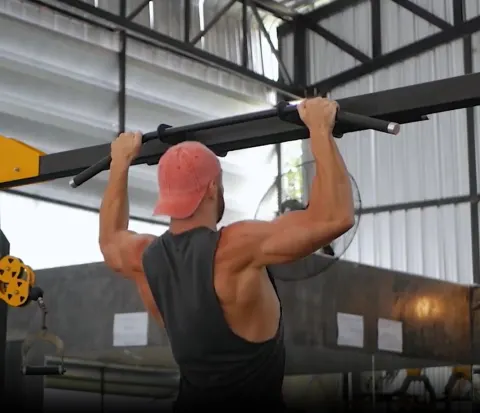
One pick deserves a comment. The vertical pull in the week is a negative pull-up: you step up to the top position and lower yourself over 3–5 seconds. If you cannot control the descent yet, swap it for the lat pulldown or the assisted pull-up machine and return to it in a couple of months.
Free weights or machines?
Use both, in that order. Free weights come first in each session because the balance and coordination you build with them carry over to everything else. Machines and cables guide the path for you, which makes them ideal later in the session when you are tired.
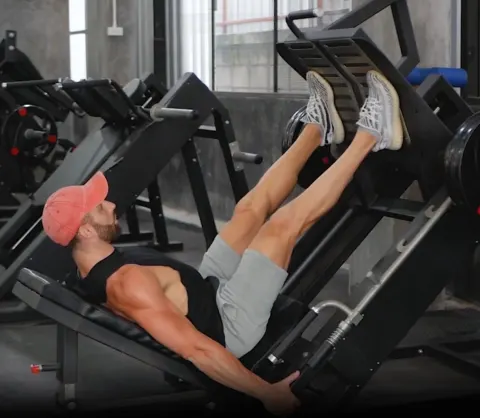
A machine is also a sensible stand-in for two to four weeks if a free-weight lift feels out of control. Dumbbell squat limited by grip or balance? Use the leg press for your working sets and practise a light goblet squat as a warm-up. Dumbbell press wobbly? Do the machine chest press and keep one light dumbbell set for practice.
When the equipment is taken
Do not stand and wait ten minutes. Either ask, or swap for the same movement pattern.
- Ask: “How many sets do you have left?” Two or fewer, wait. More, ask “Mind if I work in?” and alternate sets.
- Trap bar busy: dumbbell deadlift.
- Benches busy: machine chest press.
- Pull-up bar busy: lat pulldown.
- Row machine busy: seated cable row or one-arm dumbbell row.
Every exercise in the plan lists alternatives, and the exercise substitutes tool finds more.
Etiquette and gym nerves
Nearly everyone feels watched in their first month. Almost nobody is watching: people are busy counting their own reps. Four habits make you a good gym citizen:
- Put plates and dumbbells back where they came from.
- Wipe benches and pads after use.
- Do not lift directly in front of the dumbbell rack. Take your pair and step back.
- Keep phone breaks shorter than your rest period.
Adding weight from week three
Use double progression. Say you deadlift 40 kg on the trap bar for 8 and 8. Add a rep per set each session until both sets reach 12, then add 5 kg, one 2.5 kg plate per side, and go back to 8. Dumbbell lifts follow the same rule: reach the top of the range on every set, then take the next pair up.
When the barbell comes in
After two or three months, once your dumbbell squat and press have stopped feeling awkward, the main slots can become the back squat and the bench press. Set the generator to intermediate level and it makes that switch for you.
An empty Olympic bar weighs 20 kg, and many gyms keep lighter fixed bars of 10 or 15 kg. Start every new barbell lift with the empty bar for two or three sessions, then add 2.5–5 kg at a time. The barbell plate calculator shows what to load on each side.
Two safety rules for barbell work alone. Set the rack’s safety bars just below your lowest squat position. Bench inside a rack with the safeties at chest height, or leave the collars off so you can tip the plates off if a rep gets stuck.
First-month mistakes on the gym floor
- Skipping the light sets and going straight to the working weight with cold joints.
- Copying the strongest person in the room. Their program is built on years you have not done yet.
- Half reps with too much weight. A full-depth squat holding 10 kg dumbbells beats a quarter squat with 20s.
- Adding exercises. Six is the cap. More work now just slows recovery.
- Rushing to the barbell because it looks more serious. The dumbbell and machine weeks are where the patterns get learned.
After the first 12 weeks
If you still add reps or load most weeks, stay put. A beginner plan can run for six months. In a crowded week the 2-day gym plan for beginners keeps you moving.
When you want a fourth day, the 4-day gym plan for muscle gain for beginners splits the work into upper and lower sessions. The main gym workout plan page compares every schedule from 2 to 6 days, and if you are still deciding between home and gym, the general workout plan for beginners page lays out both routes.
Gym Workout Plan for Beginners: all 12 plans
Related programs
Frequently asked questions
What should I do on my first day at the gym?
Walk for five minutes on a treadmill, then run through the first session of your plan with very light weights: the smallest dumbbells and the lightest pin on each machine. Do two sets of each exercise, write down what you used and leave. The whole visit should take 40 minutes.
How much weight should a beginner lift at the gym?
Begin with about 5 kg dumbbells on squats and presses and an unloaded trap bar on deadlifts, then add a little each set until the last two reps slow down while three more would still be possible. That is your starting weight. When you move on to barbell lifts later, start with the empty 20 kg bar.
Should beginners use machines or free weights?
Both. Dumbbells and other free weights teach balance and coordination that carry over to everything else, so they fill the first slots of each session. Machines are ideal for the later exercises and as a temporary swap when a free-weight lift feels unstable. A plan that mixes them beats one that picks a side.
How long should a beginner spend in the gym?
Around 45 to 55 minutes, three times a week. That covers a short warm-up, six exercises and rests of one to two minutes. Staying longer does not speed anything up in the first months; turning up for all three sessions does.
Is it okay to go to the gym without knowing what to do?
It is common, but it is the main reason people stop going after a few weeks. Bring a written plan with exercises, sets and reps, and follow it line by line. Staff will show you how to adjust a machine or a rack if you ask, and most regulars are happy to help too.