Gym Workout Plan for Men: Barbell Lifts, Benchmarks, Session Order
A gym workout plan for men, from a first 4-day week to the big barbell lifts: benchmarks by body weight, session order, warm-up sets and safe solo lifting.
Example week
4-Day Gym Workout Plan for Muscle Gain (Men)
A complete week you can start today: exercises, sets, reps and rest for every session, with swaps for each exercise. Open this plan on its own page (PDF) →
Split
Upper / Lower
Sessions / week
4
Avg. session
40 min
Schedule
Mon · Tue · Thu · Fri
Warm-up (every session, ~6 min)
- 3–5 min easy cardio: brisk walk, bike, jump rope or marching in place.
- Dynamic mobility: 10 leg swings each way, 10 hip circles, 10 arm circles, 8 cat-cows.
- Ramp-up sets on the first exercise: 1–2 light sets of 8 before your working sets.
Day 1
Upper A
Chest + back, strength bias
-
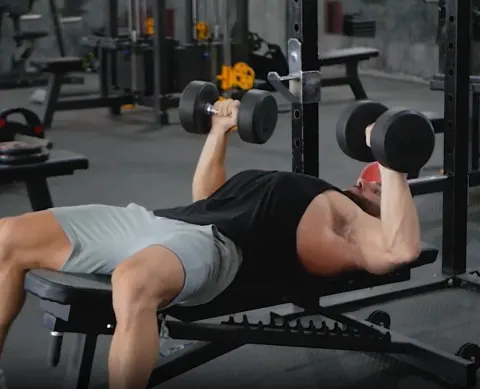
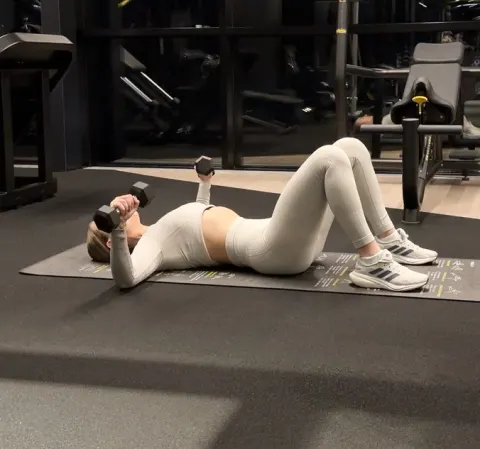
Chest, Triceps · Dumbbell
- Sets
- 3
- Reps
- 6–10
- Rest
- 120s
- Effort
- RPE 8
-
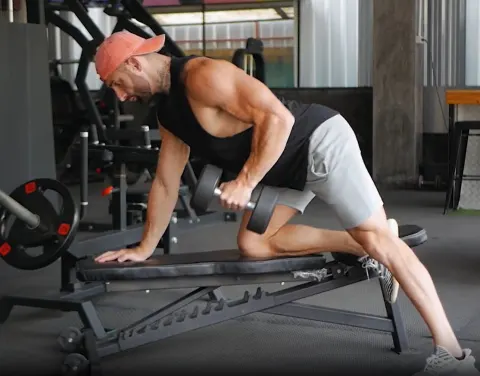
Lats, Upper Back · Dumbbell
- Sets
- 3
- Reps
- 6–10 / side
- Rest
- 120s
- Effort
- RPE 8
-
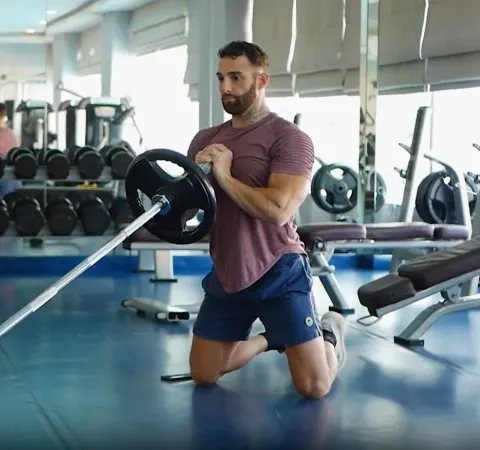
Front Delts, Chest · Barbell
- Sets
- 2
- Reps
- 8–12 / side
- Rest
- 90s
- Effort
- RPE 8
swap: Dumbbell Shoulder Press, Kettlebell Press, Incline Dumbbell Press
-
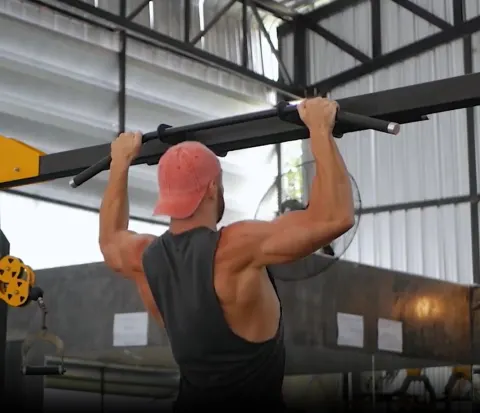
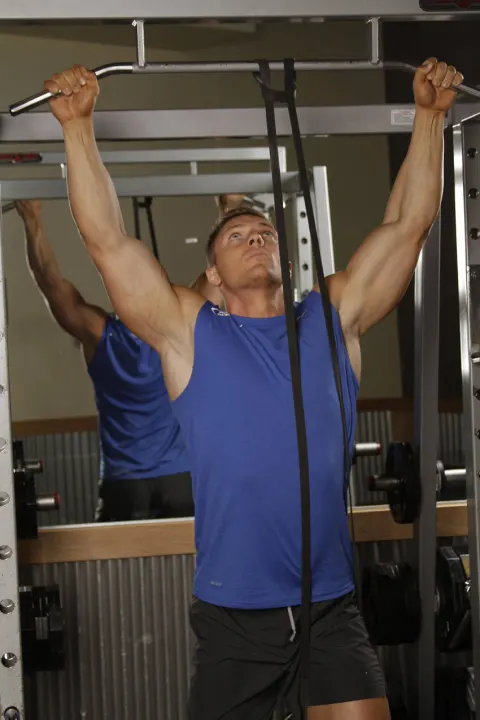
Lats, Upper Back · Pull-Up Bar
- Sets
- 2
- Reps
- 8–12
- Rest
- 90s
- Effort
- RPE 8
-
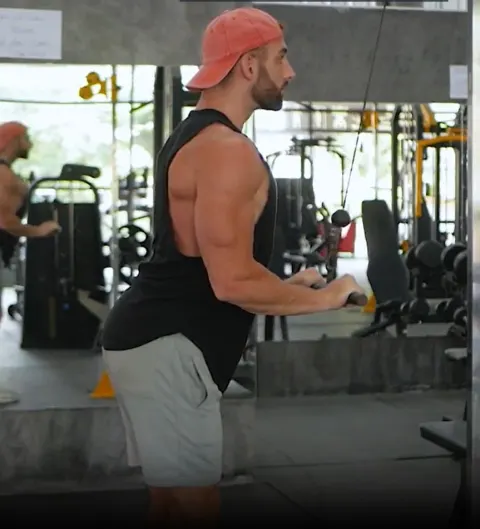
Triceps · Cable
- Sets
- 3
- Reps
- 10–15
- Rest
- 60s
- Effort
- RPE 8–9
swap: Triceps Pushdown, Band Triceps Extension, Overhead Triceps Extension
Day 2
Lower A
Squat focus
-
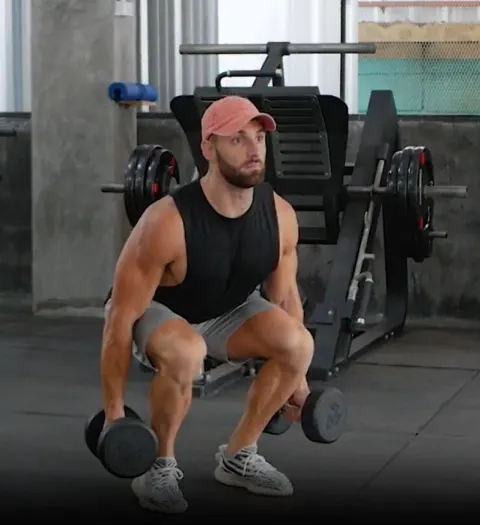
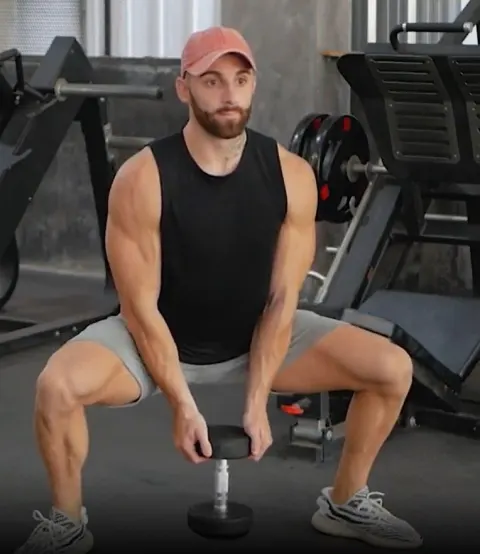
Glutes, Adductors, Quads · Dumbbell
- Sets
- 3
- Reps
- 6–10
- Rest
- 120s
- Effort
- RPE 8
-
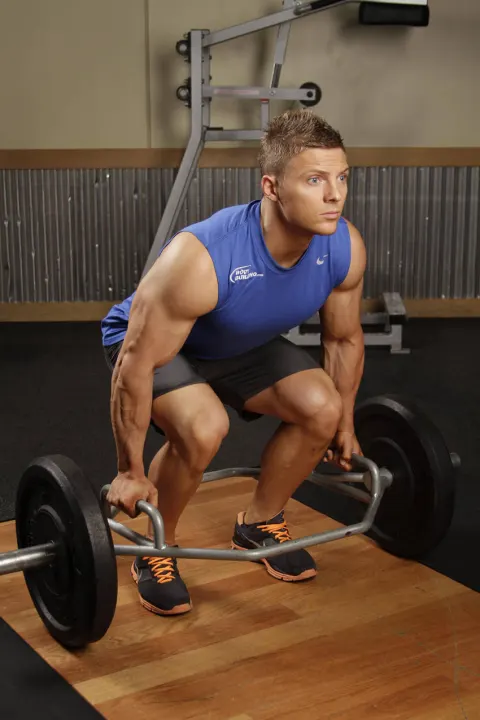
Glutes, Quads, Hamstrings · Barbell
- Sets
- 2
- Reps
- 8–12
- Rest
- 90s
- Effort
- RPE 8
swap: Kettlebell Deadlift, Goblet Squat, Banded Good Morning
-
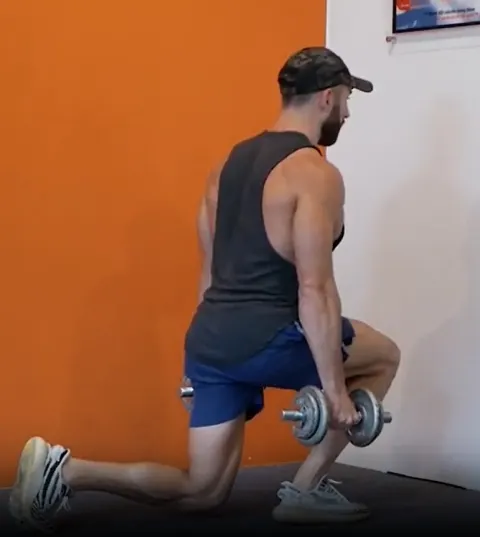
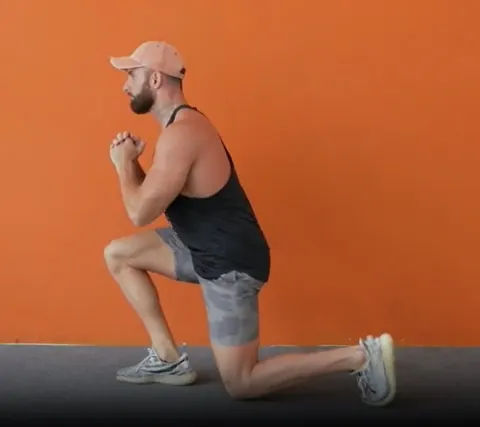
Quads, Glutes · Dumbbell
- Sets
- 2
- Reps
- 8–12 / side
- Rest
- 90s
- Effort
- RPE 8
swap: Reverse Lunge, Split Squat, Step-Up
-
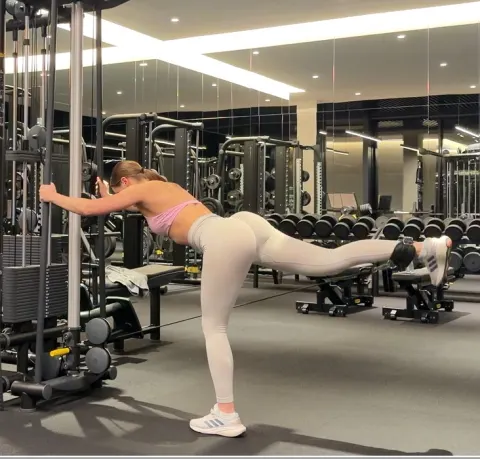
Glutes · Cable
- Sets
- 3
- Reps
- 10–15 / side
- Rest
- 60s
- Effort
- RPE 8–9
swap: Donkey Kick, Hip Thrust, Banded Lateral Walk
-
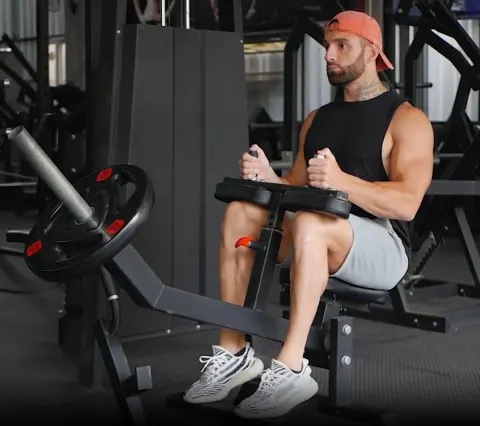
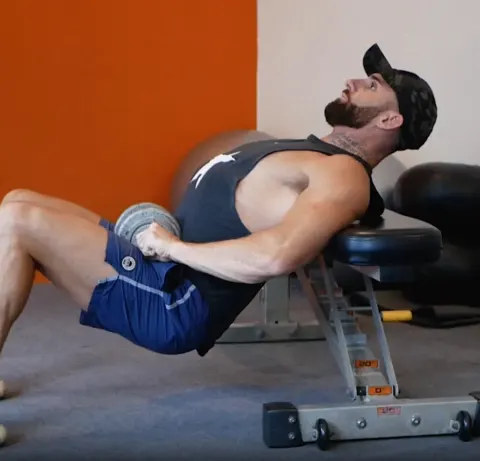
Calves · Machine
- Sets
- 3
- Reps
- 10–15
- Rest
- 60s
- Effort
- RPE 8–9
-
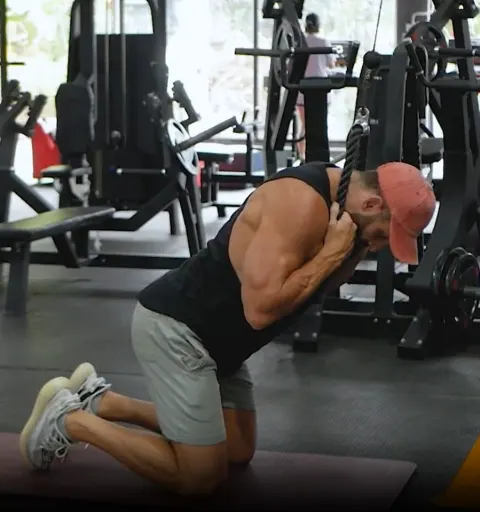
Obliques, Core · Cable
- Sets
- 3
- Reps
- 12–15 / side
- Rest
- 60s
- Effort
- controlled
swap: Side Plank, Suitcase Carry, Russian Twist

Day 3
Upper B
Shoulders + back, volume bias
-
Lats, Upper Back · Cable
- Sets
- 3
- Reps
- 6–10
- Rest
- 120s
- Effort
- RPE 8
swap: Assisted Pull-Up, Band Lat Pulldown, Straight-Arm Pulldown
-
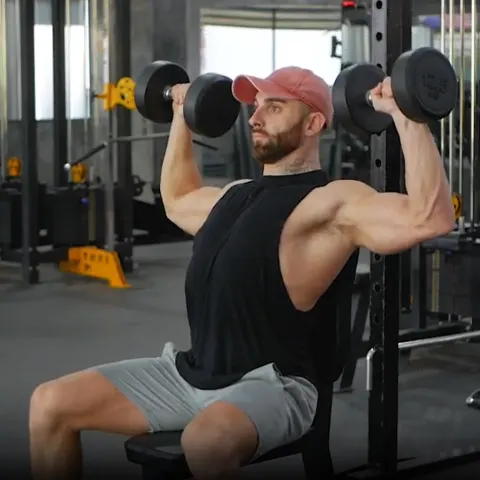
Front Delts, Side Delts · Dumbbell
- Sets
- 3
- Reps
- 6–10
- Rest
- 120s
- Effort
- RPE 8
swap: Dumbbell Shoulder Press, Machine Shoulder Press, Band Shoulder Press
-
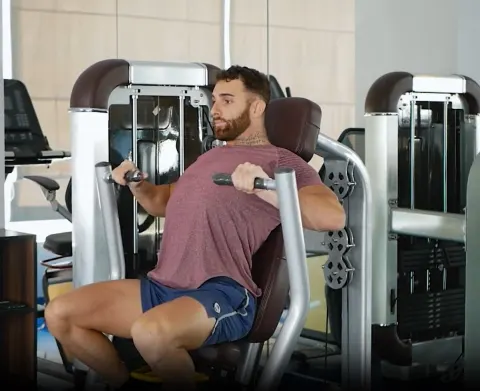
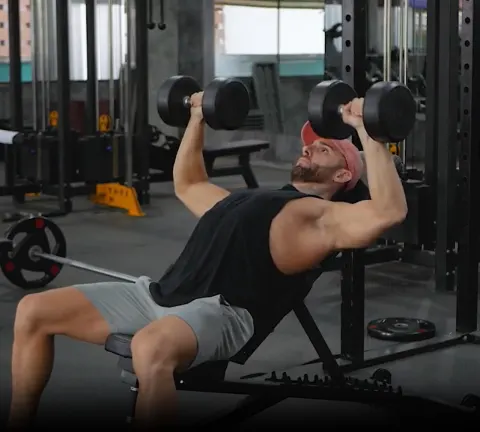
Chest, Front Delts · Dumbbell
- Sets
- 2
- Reps
- 8–12
- Rest
- 90s
- Effort
- RPE 8
swap: Machine Chest Press, Dumbbell Bench Press, Dumbbell Floor Press
-
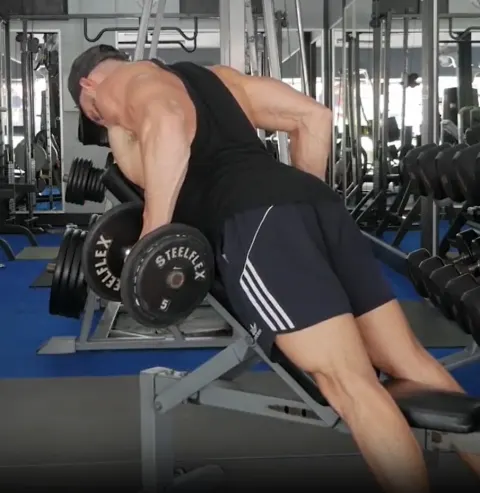
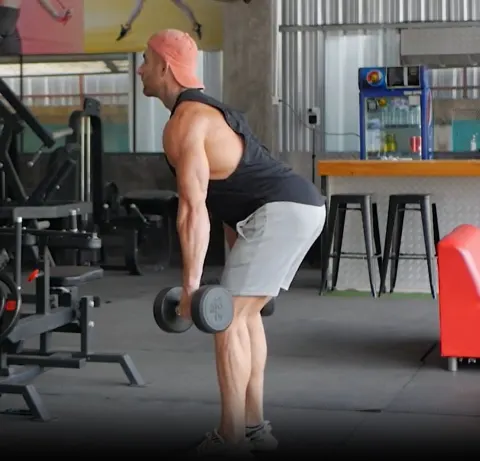
Upper Back, Lats · Dumbbell
- Sets
- 2
- Reps
- 8–12
- Rest
- 90s
- Effort
- RPE 8
swap: Dumbbell Row, Machine Row, Seated Cable Row
-
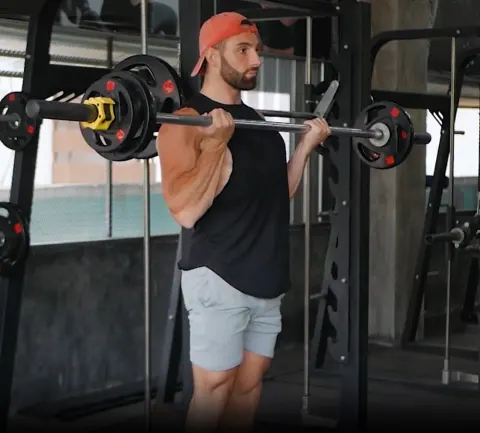
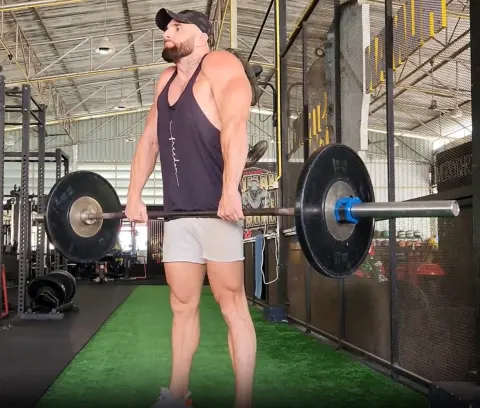
Traps · Barbell
- Sets
- 3
- Reps
- 10–15
- Rest
- 60s
- Effort
- RPE 8–9
swap: Dumbbell Shrug, Face Pull, Band Upright Row
-
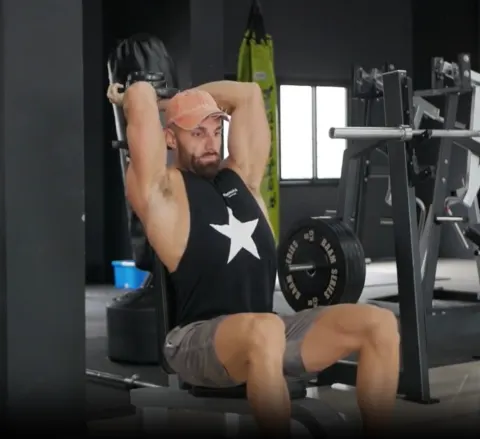
Triceps · Dumbbell
- Sets
- 3
- Reps
- 10–15
- Rest
- 60s
- Effort
- RPE 8–9
Day 4
Lower B
Hinge focus
-
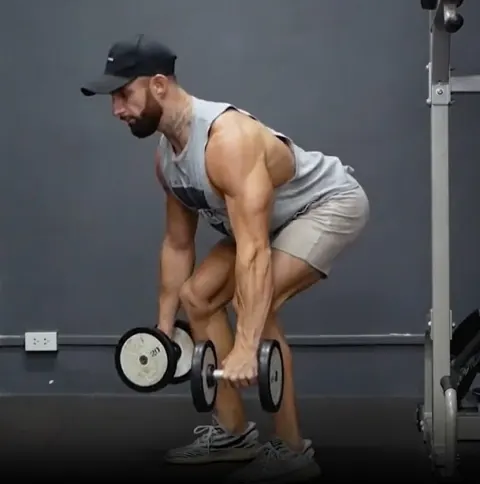
Hamstrings, Glutes · Dumbbell
- Sets
- 3
- Reps
- 6–10
- Rest
- 120s
- Effort
- RPE 8
swap: Kettlebell Deadlift, Bodyweight Hip Hinge, Dumbbell Deadlift
-
Quads, Glutes · Machine
- Sets
- 2
- Reps
- 8–12
- Rest
- 90s
- Effort
- RPE 8
swap: Leg Press, Goblet Squat, Banded Squat
-
Glutes · Dumbbell
- Sets
- 2
- Reps
- 8–12
- Rest
- 90s
- Effort
- RPE 8
-
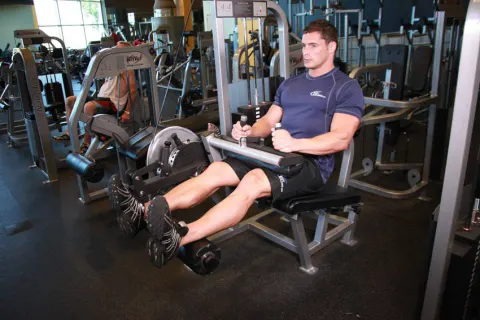
Hamstrings · Machine
- Sets
- 3
- Reps
- 10–15
- Rest
- 60s
- Effort
- RPE 8–9
swap: Lying Leg Curl, Banded Hamstring Curl, Sliding Leg Curl
-
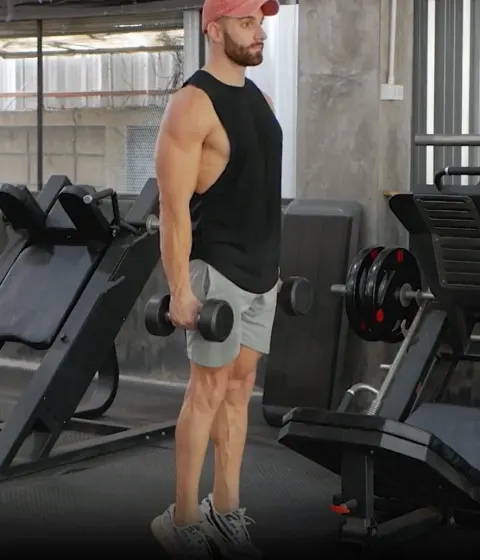
Calves · Dumbbell
- Sets
- 3
- Reps
- 10–15
- Rest
- 60s
- Effort
- RPE 8–9
8-week progression: what to change each week
Same exercises for the whole block. Weeks move the reps, then the load; the last week is a deload.
| Week | Load | Reps | Effort | What to watch |
|---|---|---|---|---|
| 1 | Light: learn the movements | bottom of range (6–8) | RPE 6–7 | Stop every set 3 reps before failure; film one set per exercise to check form. |
| 2 | Same weight | +1 rep per set (8–9) | RPE 8 | Same exercises, same order; only the reps move. |
| 3 | Same weight | top of range (9–10) | RPE 8 | All sets at the top of the range → add load next week. Missed a set? Repeat the week. |
| 4 | +2.5 kg (5 lb) | bottom of range (6–8) | RPE 8 | New weight feels hard at low reps; that is the plan working. |
| 5 | Same weight | +1 rep per set (8–9) | RPE 8 | Keep rest periods the same. |
| 6 | Same weight | top of range (9–10) | RPE 8–9 | Second time at the top: take the last set of each main lift to 1 rep in reserve. |
| 7 | +2.5 kg (5 lb) | bottom of range (6–8) | RPE 8 | Bodyweight moves: slow the lowering phase to 3 s or move to the harder variation. |
| 8 | Deload: 60 % | bottom of range | RPE 5–6 | Half the sets, then regenerate a variation or change the split for the next block. |
How to progress
- First 2 weeks: focus on form with light weights, stop each set 3 reps before failure.
- Double progression: hit the top of the rep range on every set, then add weight (2.5–5 %) and start from the bottom of the range.
- Bodyweight moves: add reps, then slow the tempo (3 sec down), then move to a harder variation.
- Deload every 6–8 weeks: same exercises, half the sets.
Notes for this plan
- Sessions can move between days; keep at least one rest day between hard sessions for the same muscles.
The one thing a gym offers that a spare room cannot is a barbell that grows by 2.5 kg at a time for years. This page is about getting there and using it well: which lifts lead each of the four days, what numbers are worth chasing at your body weight, how to order and warm up a session, and how to push hard when nobody is standing behind the bench.
From the week above to the barbell lifts
The example week above is a four-day upper/lower routine for muscle gain, trained Monday, Tuesday, Thursday and Friday in about 40 minutes a session. It is written at beginner level, so its main slots are filled with dumbbells, machines, cables and the trap bar. Those are quicker to learn and fail safely.
The classic barbell lifts are intermediate-level exercises. Choose Intermediate in the plan generator and they take over the same slots:
| Day | Leads with | Typical beginner pick | Intermediate barbell lift |
|---|---|---|---|
| Upper A | Horizontal press and row | Dumbbell press, dumbbell row | Bench press, barbell row |
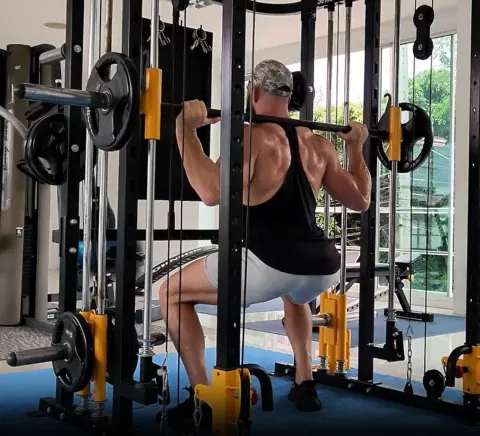
| Lower A | Squat | Dumbbell or Smith-machine squat | Back squat |
| Upper B | Vertical pull and press | Lat pulldown, seated dumbbell press | Pull-up, overhead press |
| Lower B | Hinge | Dumbbell Romanian or trap-bar deadlift | Conventional deadlift or Romanian deadlift |
Main lifts in the week above run for 3 sets of 6–10 reps with 2 minutes of rest, secondary lifts for 2 sets of 8–12 with 90 seconds. At intermediate level each gains a set. In the plans for men, the upper days lean slightly towards chest and lats. Every exercise lists alternatives with the same movement pattern, so a taken station costs you a swap, not the session.
Make the move after about six months, when the dumbbell and machine versions are going up steadily and your form no longer changes as the load rises.
Strength benchmarks by body weight
These are the site’s standards for men on the barbell lifts, written as a one-rep max in multiples of body weight. Treat them as targets for the intermediate stage.
| Lift | Novice | Intermediate | At 80 kg body weight |
|---|---|---|---|
| Bench press | 0.75 × | 1.0 × | 60 kg, then 80 kg |
| Back squat | 1.25 × | 1.5 × | 100 kg, then 120 kg |
| Deadlift | 1.5 × | 2.0 × | 120 kg, then 160 kg |
| Overhead press | 0.55 × | 0.75 × | 44 kg, then 60 kg |
You do not need to test a true max to know where you stand. Take a hard set from your log, such as 70 kg for 8 on the bench, and the one rep max calculator estimates roughly 87 kg. Then compare all four lifts on the strength standards page.
Use the result to find the lagging lift, not to feed the strong one. A man who benches at the intermediate line and squats below the novice line does not need more chest work.
Session order: heaviest and most technical first
- Main lifts. The two heaviest lifts of the day, straight after the warm-up, while you are fresh. Full 2-minute rests, timed.
- Secondary compounds. 8–12 reps, about 90 seconds of rest.
- Accessories. Mostly cables, machines and curls for 10–15 reps with 60 seconds of rest. Push these closer to failure, RPE 8–9, because they fail safely.
- Calves and core. Last, where fatigue cannot hurt a heavy lift.
Do not reverse it. Curls before rows mean your biceps give out before your back has worked, and leg extensions before squats take kilos off the bar.
Warm-up sets with real numbers
Start with 3–5 minutes of easy cardio and some dynamic mobility for the joints you are about to load. Then come ramp-up sets on the first lift. The plan asks for 1–2 as a minimum, and heavier working weights deserve more steps.
- Dumbbell press at 24 kg per hand: 12 kg × 8, 18 kg × 4, then work.
- Bench at 70 kg: empty bar (20 kg) × 8, 40 kg × 5, 55 kg × 3, then work.
- Deadlift at 120 kg: 60 kg × 5, 90 kg × 3, 105 kg × 1, then work.
Reps fall as the load rises, so nothing here tires you. Later exercises need one light set at most. The barbell plate calculator shows what to slide on each side, and the guide on how to warm up before lifting has mobility drills for upper and lower days.
Lifting alone: safety without a spotter
Most men train solo. The dumbbell and machine lifts in the beginner week are forgiving: dumbbells can be set down and a machine stops at its pins. The barbell versions need a little setup, and then all four can be pushed safely alone.
- Bench press. Use a power rack or a bench with safety arms. Set them so the bar clears them when your chest is up and rests on them when you flatten your back. Wrap your thumbs. With no safeties and no spotter, press dumbbells.
- Squat. Set the safety bars one hole below the lowest point of your squat. Practise lowering an empty bar onto them once, so a failed rep is a rehearsed event.
- Deadlift. A missed rep simply stays on the floor. The risk is grinding with a rounding back, so end the set when your hips shoot up first.
- Overhead press. A failed rep returns to your shoulders. Press inside the rack with the hooks at upper-chest height.
Keep 1–2 reps in reserve on barbell lifts and save true near-failure work for machines. Use collars on squats and overhead presses.
Adding plates week to week
The rule is double progression. Take a bench press at 70 kg for sets of 6. Add one rep per set each week until every set reaches 10, then load 72.5 kg, a 1.25 kg plate per side, and return to 6. On dumbbell lifts the step is simply the next pair on the rack.
Across eight weeks that gives two load increases, followed by a lighter eighth week at about 60 % of the usual weight with half the sets. The overhead press moves slowest: 2.5 kg on a 45 kg press is a jump of more than 5 %, so expect to spend longer adding reps there.
Mistakes you see on every gym floor
- Depth that shrinks as plates go on. If your thighs stop reaching parallel, the squat got heavier on paper only.
- Bouncing the bar off the chest. Touch lightly, pause briefly, press.
- Extra sets for chest, fewer for Lower B. The hinge day is the one men trim first and need most.
- Resting by feel. Use a timer. Ninety seconds on the phone easily becomes five minutes.
- Friday max attempts. Singles test strength. Sets of 6–10 build it.
Where to go from this plan
If you have never set foot in a weights room, the three-day gym workout plan for beginners is a gentler start. The week above is the 4-day gym plan for muscle gain for men.
If the benchmark table is what excites you, the 4-day gym strength plan for men drops main lifts to 4–6 reps with 2.5-minute rests, and the strength training program page explains its 4-week waves. If size is the aim and four days feel easy to recover from, the muscle building workout plan for men moves you to five.
Gym Workout Plan for Men: all 20 plans
- 2-Day Gym Workout Plan for Strength (Men)
- 2-Day Gym Workout Plan for General Fitness (Men)
- 3-Day Gym Workout Plan for Strength (Men)
- 3-Day Gym Workout Plan for General Fitness (Men)
- 4-Day Gym Workout Plan for Strength (Men)
- 4-Day Gym Workout Plan for General Fitness (Men)
- 5-Day Gym Workout Plan for Strength (Men)
- 5-Day Gym Workout Plan for General Fitness (Men)
- 6-Day Gym Workout Plan for Muscle Gain (Men)
- 6-Day Gym Workout Plan for Strength (Men)
- 6-Day Gym Workout Plan for General Fitness (Men)
Related programs
Frequently asked questions
How much should a man be able to bench press?
A common novice target is 0.75 times body weight for one clean rep, and the intermediate target is 1.0 times body weight. For an 80 kg man that is 60 kg, then 80 kg. Many men who train consistently reach the first within months and the second within one to two years.
How long should a gym workout last for men?
About 40 to 50 minutes including the warm-up. That covers five or six exercises with 2 minutes of rest on the main lifts and 60 to 90 seconds on everything else. Sessions that run past 75 minutes usually mean long phone breaks or too many exercises.
Should I do free weights or machines first?
Put the heaviest compound lifts first, whatever the tool. A squat, press, row or pulldown needs the most skill and the most energy, so it goes straight after the warm-up. Isolation work on machines and cables comes last, because a fixed path stays safe when you are tired.
Is it safe to bench press without a spotter?
Yes, if you set it up properly. Bench inside a power rack with the safety bars just below chest height at the bottom of the rep, keep your thumbs wrapped around the bar and stop every set with at least one rep in reserve. Without a rack, press dumbbells instead.
How often should I increase the weight in the gym?
Whenever every set reaches the top of its rep range with unchanged form. On a 6–10 rep barbell lift that usually means adding 2.5 kg every two to four weeks once the beginner phase is over. Beginners often add reps or load weekly for their first two to three months.